










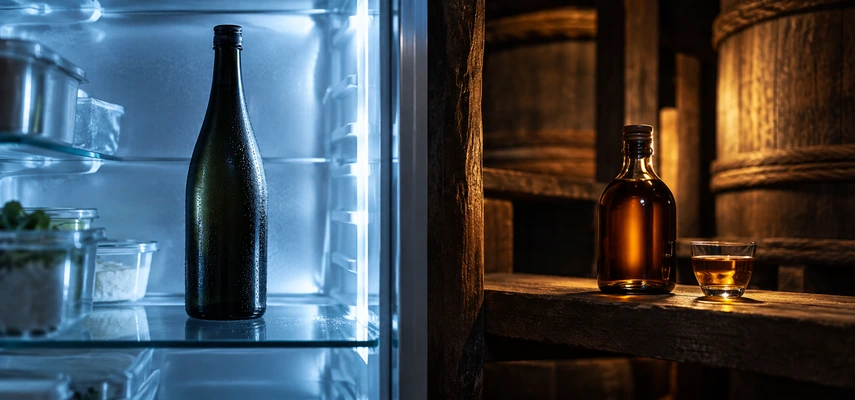
A fresh bottle can become tired, and an old bottle can be exactly what its maker intended. Nama and koshu explain why age alone is a poor guide to
Continue ReadingNigori and Sparkling Sake Explained: Cloudiness, Bubbles, and Style
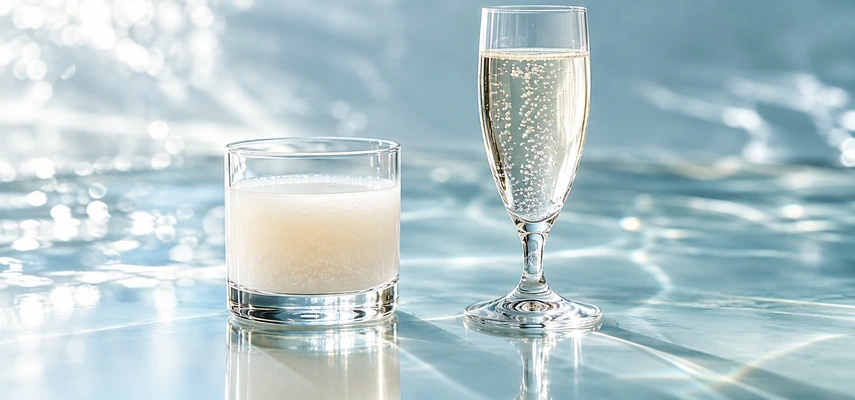
One sake looks milky. Another sends a stream of bubbles up the glass. Neither observation tells you how sweet the drink must be. Nigori and sparkl
Continue ReadingHow to Read Sake Labels: Japanese Terms, Grades, and What They Mean
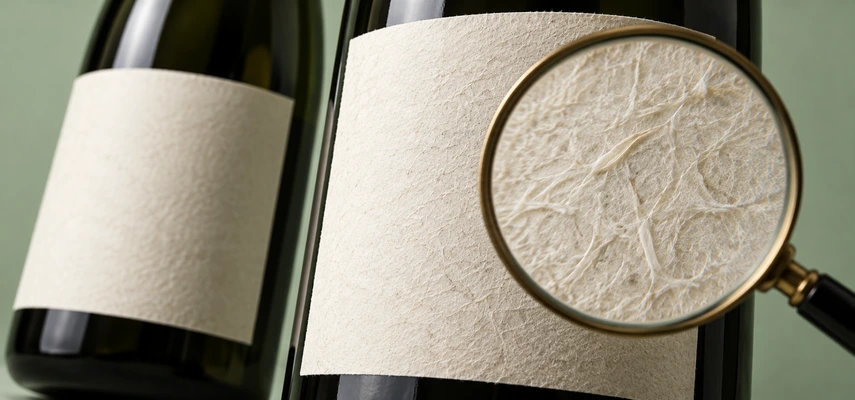
You do not need to read an entire Japanese label to extract useful information from it. Sake labels often contain a few recurring character groups
Continue ReadingGinjō and Daiginjō Sake Explained: Polishing, Aromas, and Premium Styles
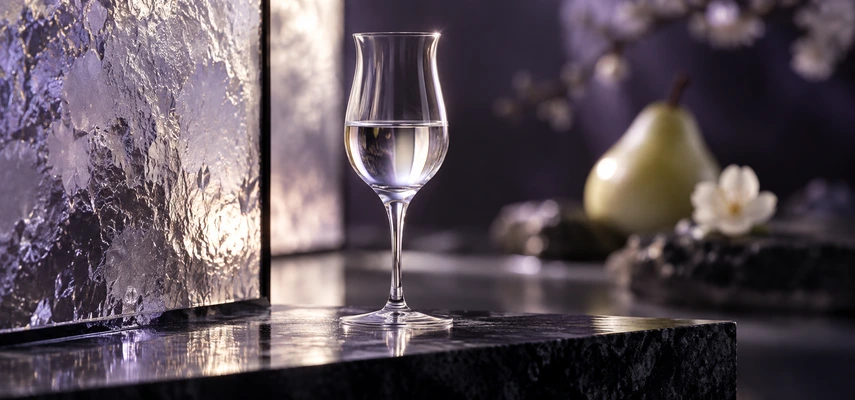
A rice number can tell you how much grain remained, but it cannot promise the smell of a pear. Ginjō and daiginjō premium styles connect extensi
Continue ReadingJunmai vs. Honjōzō Sake: Understanding Alcohol Addition
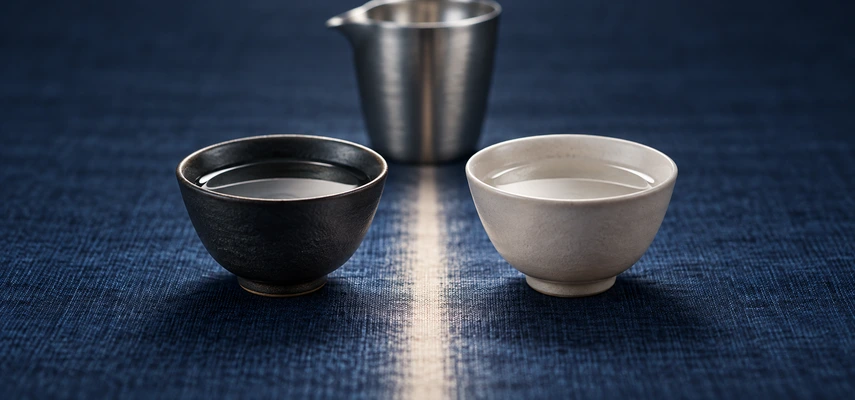
Junmai sounds reassuringly simple: pure rice. Yet the sake contains water, it relies on kōji and yeast, and it certainly contains alcohol. The ph
Continue ReadingWSET Level 2 Sake Exam: Complete Revision Guide and Practice Examinations
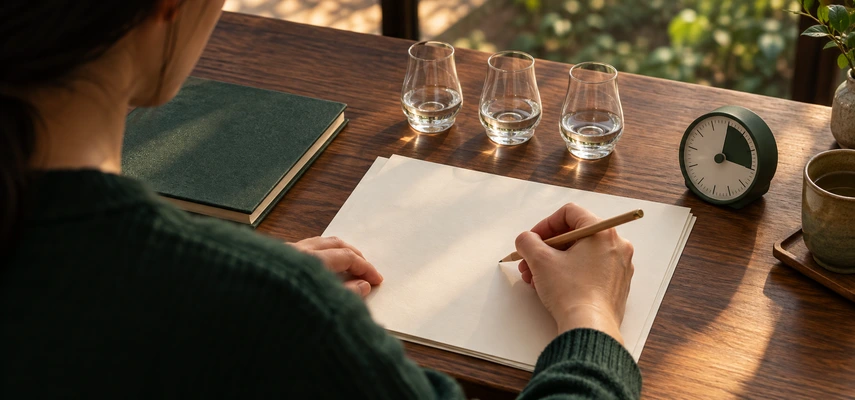
A good revision answer does more than name kōji. It explains what kōji supplies, what those enzymes do and why a brewer might manage them differ
Continue ReadingFood and Sake Pairing Explained: Sweetness, Intensity, and Personal Preference
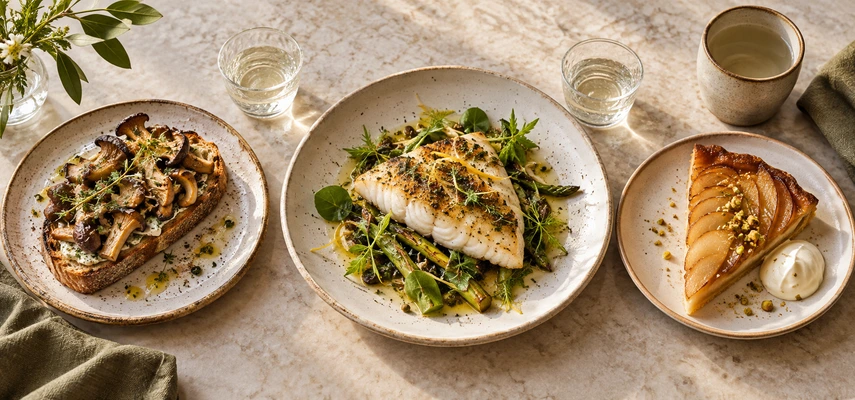
A technically clever pairing is of limited use if the person at the table doesn't enjoy it. Food and sake pairing begins with that practical fact.
Continue ReadingHow to Serve Sake: Temperature, Warming Methods, and Traditional Vessels
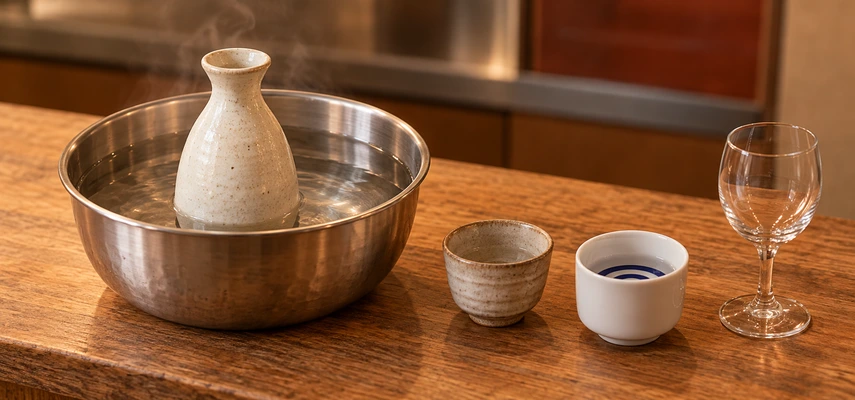
The same sake can seem more reserved when cold and more expansive as it warms. To serve sake well, choose conditions that support the particular d
Continue ReadingSake Grades Explained: Futsū-shu, Premium Sake, and Rice Polishing Ratios
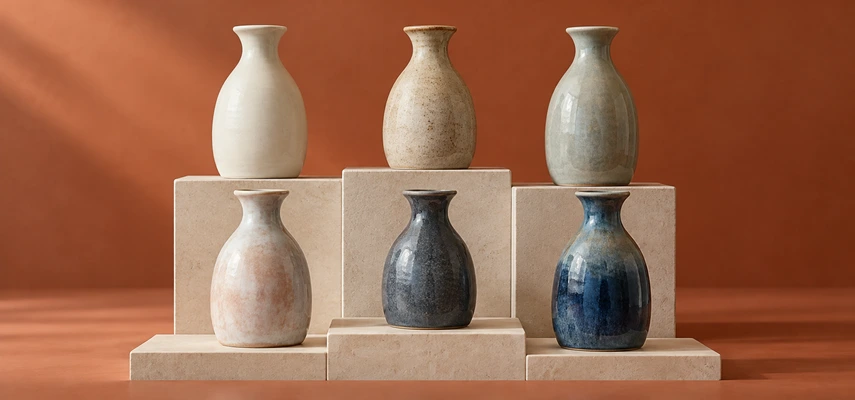
A sake grade is useful information, but it cannot tell you whether tonight's dinner needs a delicate floral drink or a savory, rounded one. Sake g
Continue ReadingSake Faults Explained: Oxidation, Light Damage, and Microbial Spoilage
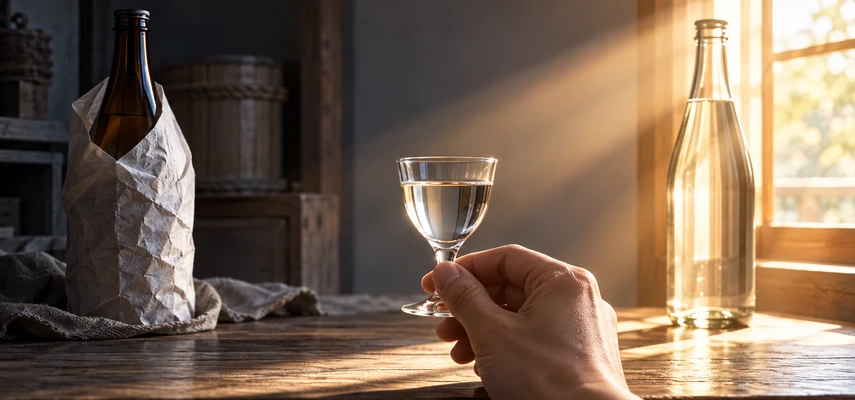
A sake smells nutty. Is it mature, faulty or simply a style you weren't expecting? Sake faults cannot be diagnosed by treating every unfamiliar ar
Continue Reading









