










A good revision answer does more than name kōji. It explains what kōji supplies, what those enzymes do and why a brewer might manage them differ
Continue ReadingFood and Sake Pairing Explained: Sweetness, Intensity, and Personal Preference
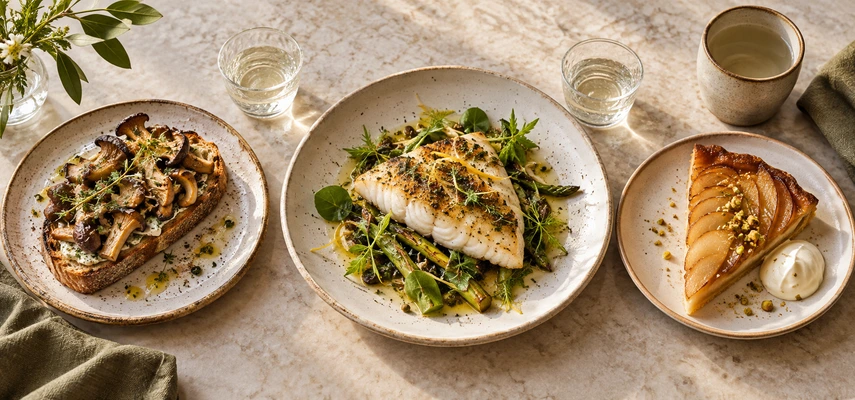
A technically clever pairing is of limited use if the person at the table doesn't enjoy it. Food and sake pairing begins with that practical fact.
Continue ReadingHow to Serve Sake: Temperature, Warming Methods, and Traditional Vessels
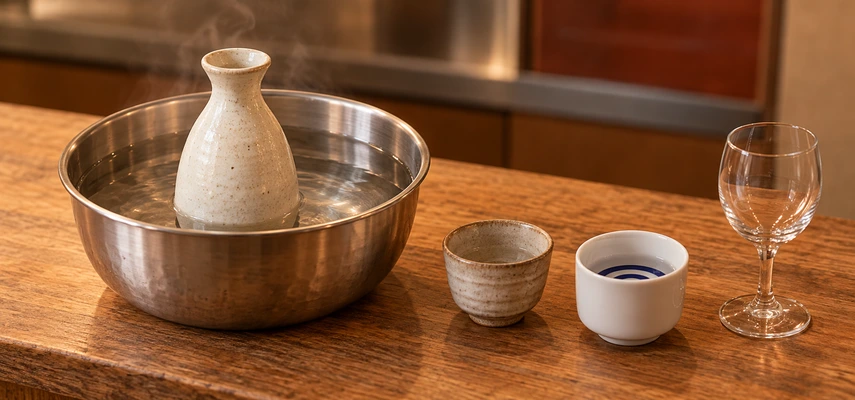
The same sake can seem more reserved when cold and more expansive as it warms. To serve sake well, choose conditions that support the particular d
Continue ReadingSake Faults Explained: Oxidation, Light Damage, and Microbial Spoilage

A sake smells nutty. Is it mature, faulty or simply a style you weren't expecting? Sake faults cannot be diagnosed by treating every unfamiliar ar
Continue ReadingHow to Store Sake Properly: Freshness, Light, Temperature, and Ageing
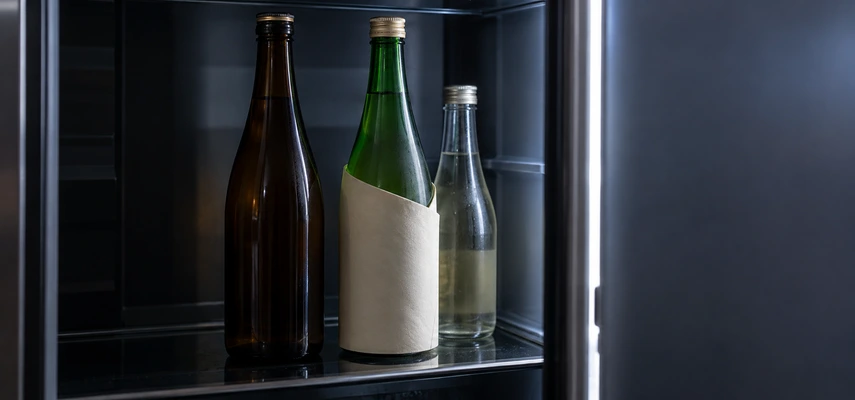
The brewer has finished making the sake. Your cupboard can still keep working on it. To store sake properly, the aim is to slow unwanted change an
Continue ReadingHow to Read Sake Labels: Eight Essential Japanese Terms and Their Meanings
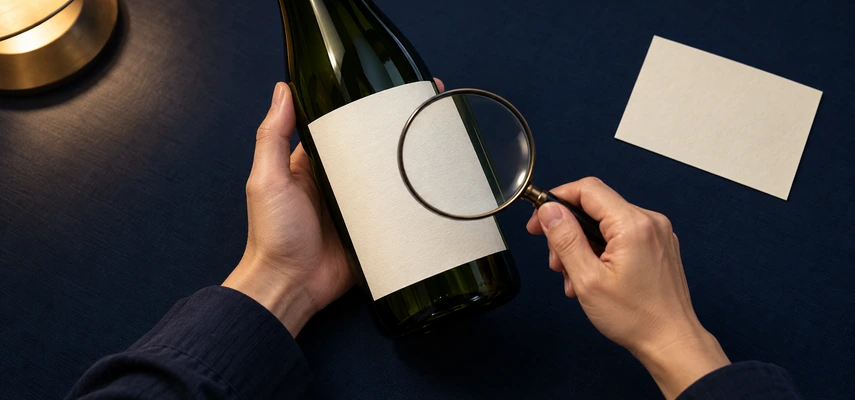
A sake label can look like a wall of unfamiliar writing until one small group of characters becomes recognizable. To read sake labels at Level 2,
Continue ReadingKoshu Sake Explained: Ageing, Maturation, and Flavor Development
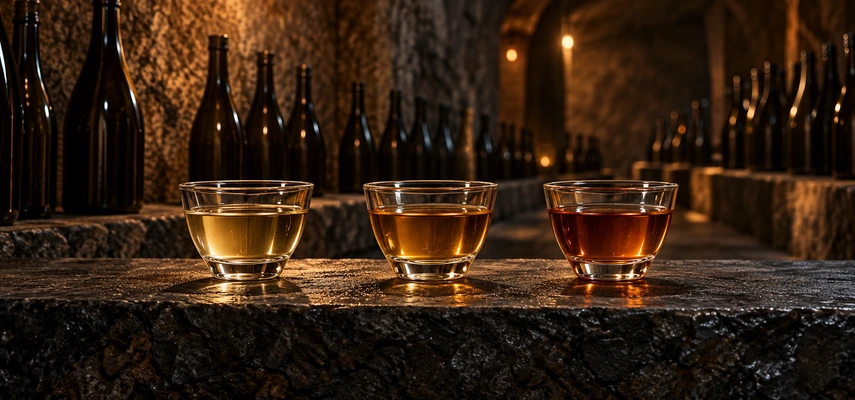
A bottle can get older without getting better. Koshu sake is interesting because it makes ageing an intentional production and style decision, wit
Continue ReadingSparkling Sake Explained: Carbonation vs. Bottle Fermentation

The first sip can feel lively before you have identified a single aroma. Sparkling sake contains carbon dioxide that emerges as bubbles when the b
Continue ReadingNama Sake Explained: Unpasteurised, Nama-chozō, and Nama-zume Styles
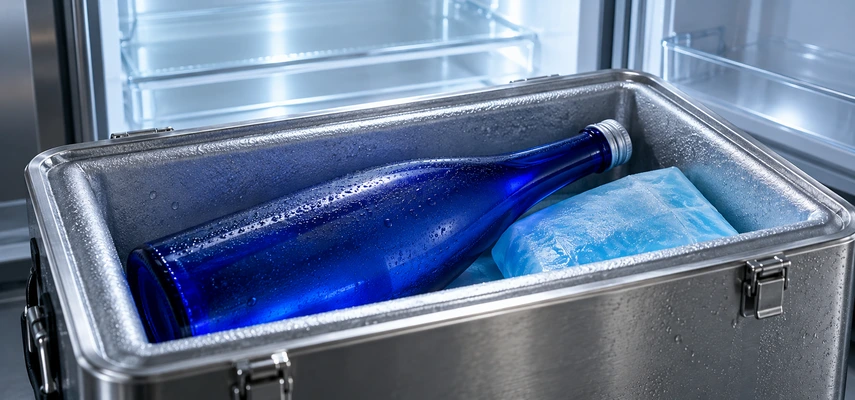
Two bottles have been pasteurised once, yet they can have spent their storage period in very different conditions. Nama sake terminology makes tha
Continue ReadingNigori Sake Explained: Cloudiness, Filtration, and Texture
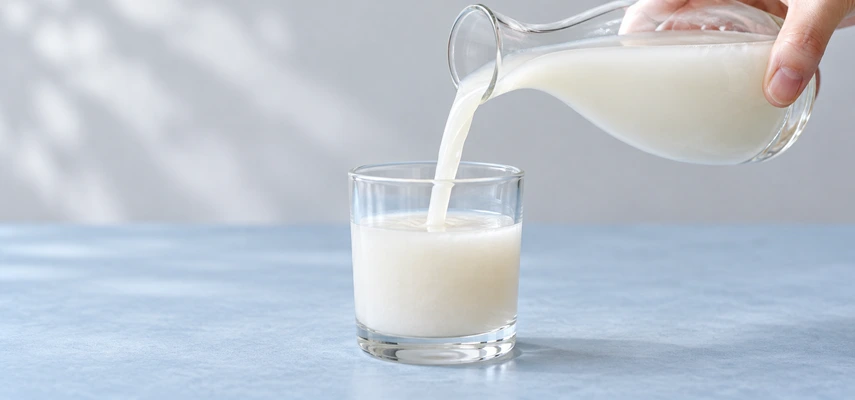
Cloudiness usually invites suspicion in a drink expected to be clear. With nigori sake, it can be exactly the intended result. Fine particles rema
Continue Reading









