










The same broad ingredient list can lead to a sake that seems airy and fruit-led or one that feels rounded and savory. Fruity ginjō vs. rich junma
Continue ReadingTokubetsu Sake Explained: Special Junmai and Honjōzō Classifications
Special is easy to print. Explaining what makes something special takes more work. Tokubetsu sake belongs to the second category: the designation
Continue ReadingGinjō and Daiginjō Sake Explained: Polishing, Yeast, and Aromatic Styles
A polishing ratio of 50% sounds like a complete explanation until you ask who made the fruit-like aroma. The milling machine did not. Ginjō and d
Continue ReadingJunmai vs. Honjōzō Sake: Ingredients, Alcohol Addition, and Style
No added alcohol sounds straightforward until someone mistakes it for no alcohol at all. Junmai vs. honjōzō sake is an ingredient comparison wit
Continue ReadingSake Categories Explained: Futsū-shu, Premium Sake, and Classification Rules
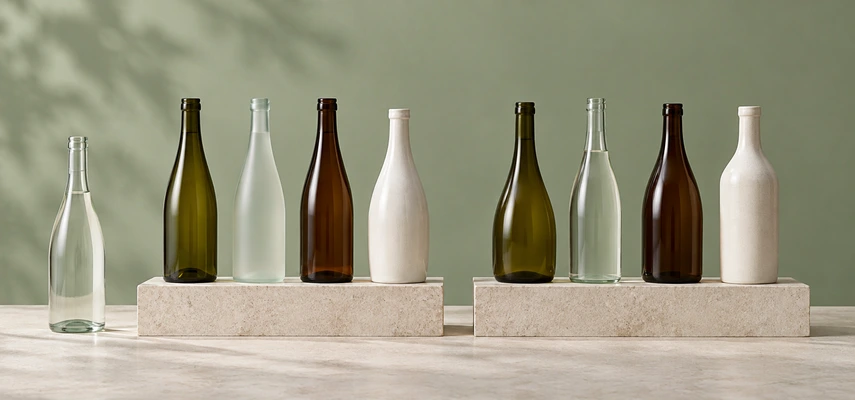
A bottle can be premium sake without being your favorite sake. It can also be an excellent dinner companion without carrying a premium designation
Continue ReadingSake Pasteurisation and Finishing Explained: Charcoal Fining, Storage, and Dilution
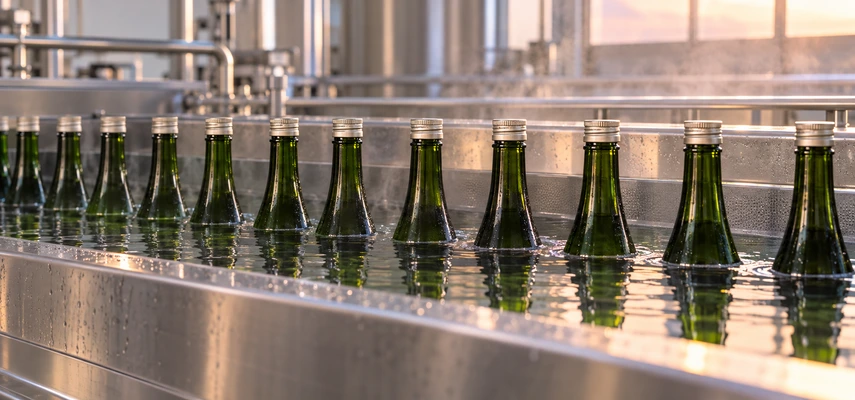
The sake is clear, but clarity doesn't tell you whether enzymes are still active, how it will respond to storage or what strength it will have in
Continue ReadingSake Filtration and Alcohol Addition Explained: Pressing, Clarity, and Style
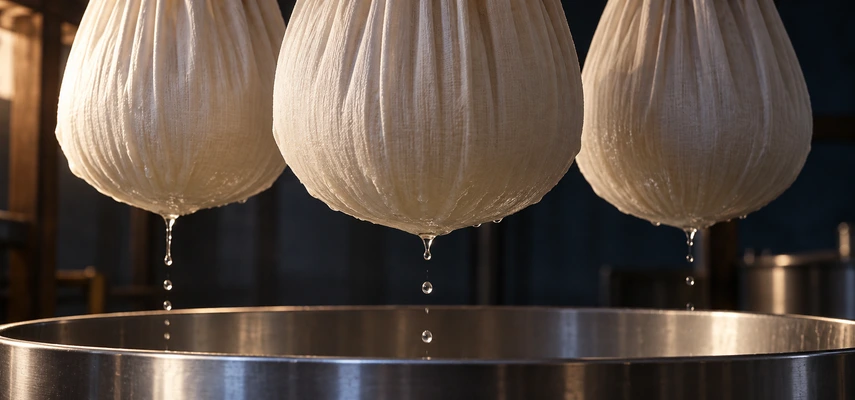
Fermentation has created alcohol, but it hasn't created a clear bottle-ready liquid by itself. The mash still contains rice material and yeast. Sa
Continue ReadingMultiple Parallel Fermentation Explained: How Sake Produces Alcohol
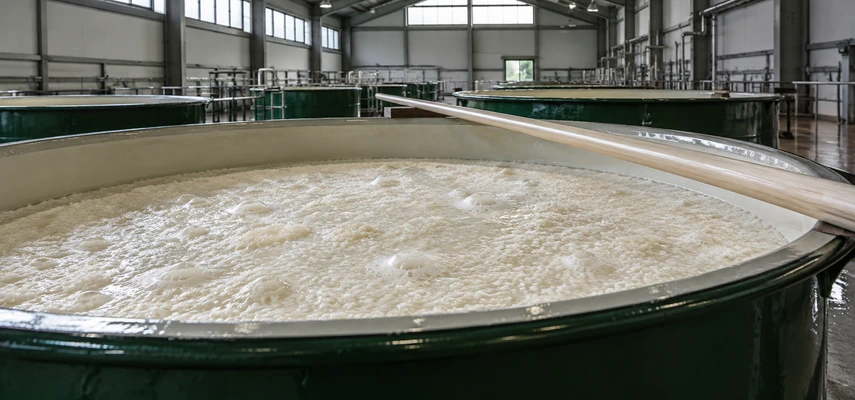
The sugar supply is being made while the yeast is spending it. That is the essential idea behind multiple parallel fermentation, the process at th
Continue ReadingSake Fermentation Starters Explained: Sokujō, Kimoto, and Yamahai
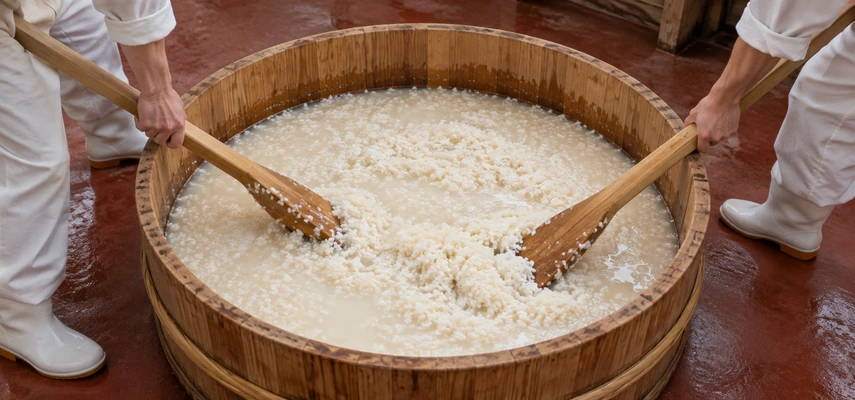
The main fermentation tank is a difficult place to give a tiny yeast population its first chance. There is a great deal of material to work throug
Continue ReadingSake Yeast and Water Explained: Strains, Minerals, and Aroma
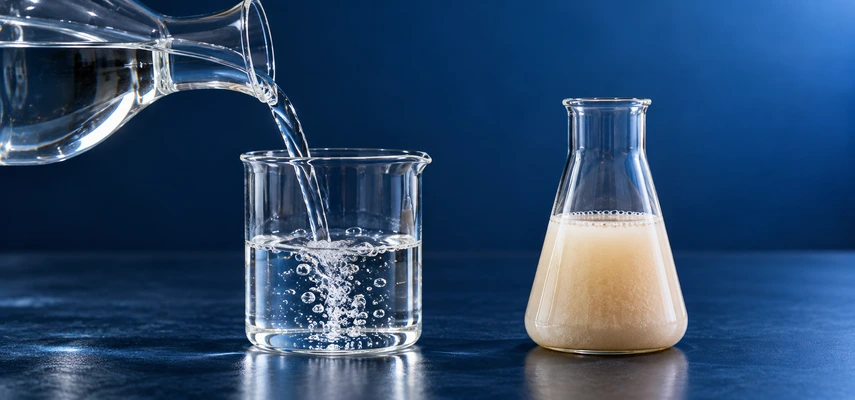
A brewer can choose rice with great care and still get the wrong result if the yeast struggles or the water brings an unwanted component into the
Continue Reading









