










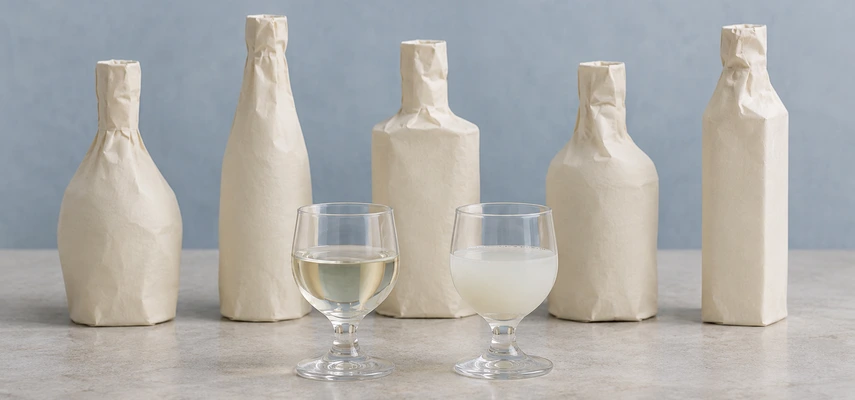
Blind tasting sake asks you to connect what you perceive with a plausible production explanation. The useful question isn't whether you can perfor
Continue ReadingJapan’s Sake Industry Explained: Tōji Guilds, Research Institutes, and Trade Organisations
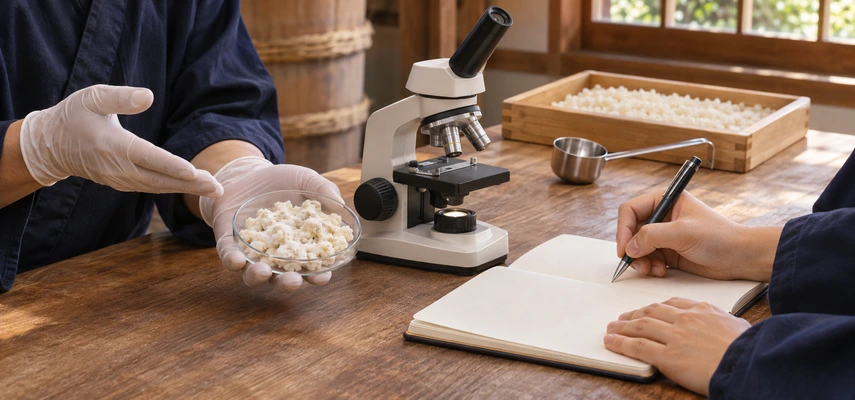
The sake industry is larger than the people standing beside a fermentation tank. Growers supply suitable rice, trained brewers turn it into a prod
Continue ReadingHow Brewers Create Sake Style: From Rice Selection to the Finished Bottle

Sake style is the result of connected decisions. Rice selection affects how the material behaves; koji supplies enzymes; yeast and fermentation ma
Continue ReadingSake Maturation and Blending Explained: Resting, Cedar Barrels, and Dilution
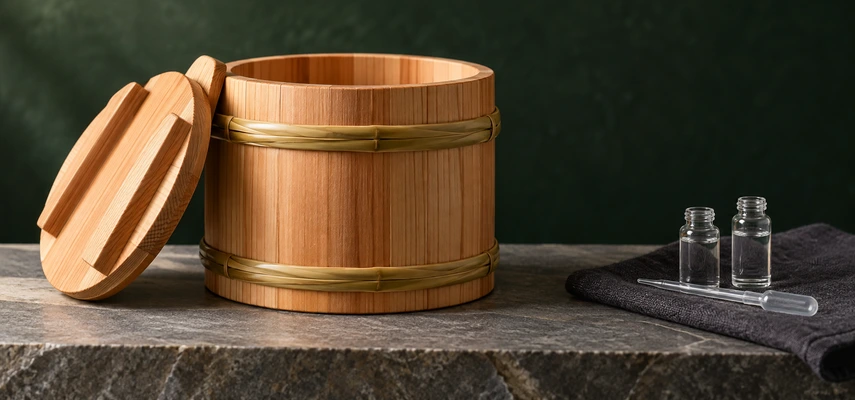
A tank can finish fermenting before the sake is ready to become the finished product. Sake maturation, blending and dilution give the brewer furth
Continue ReadingSake Clarification Explained: Sedimentation, Protein Fining, and Charcoal
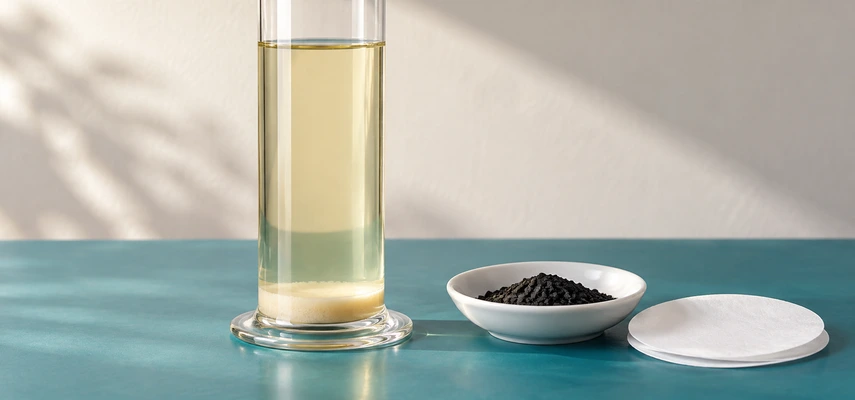
A brilliantly clear sake has already answered several practical questions. What happened to the fine material that escaped pressing? Could dissolv
Continue ReadingHow Sake Is Pressed: Yabuta, Fune, Shizuku, and Pressing Fractions
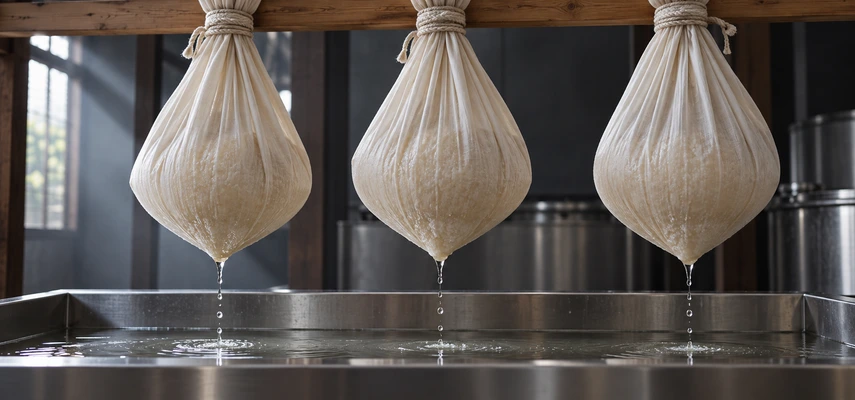
Can one tank of fermented mash produce more than one expression of sake? Sake pressing makes that possible because the liquid changes through sepa
Continue ReadingAlcohol Addition and Brewing Adjustments Explained: Jōzō Alcohol and Futsū-shu
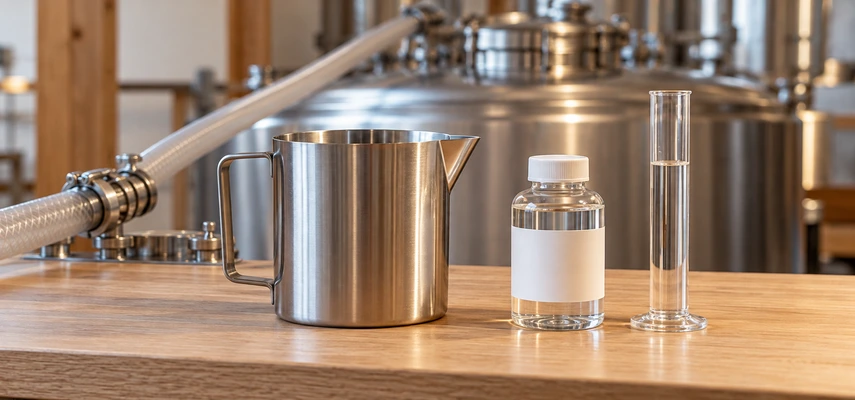
Does alcohol addition mean the brewer has cheated? That question starts with a verdict before examining the production decision. Jōzō alcohol is
Continue ReadingMultiple Parallel Fermentation Explained: The Moromi and Three-Stage Additions
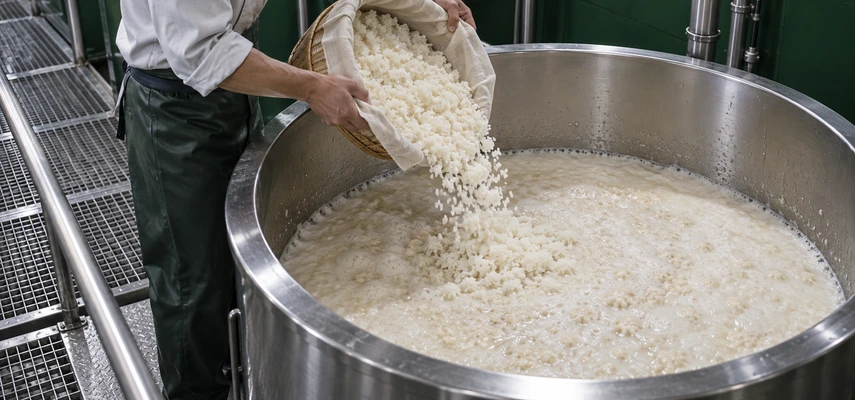
Why does a sake brewery build a fermentation mash in stages instead of adding everything at once? Multiple parallel fermentation already requires
Continue ReadingSake Fermentation Starters Explained: Sokujō and High-Temperature Methods
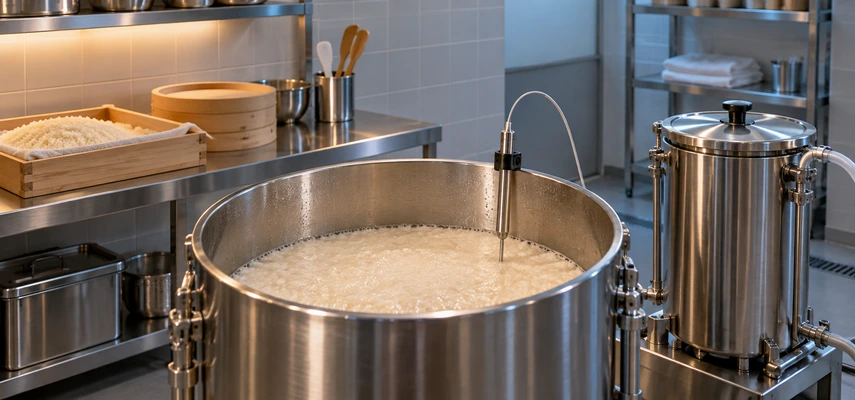
Why not put a small quantity of yeast straight into the largest tank and hope it catches up? Sake fermentation starters solve a scale and competit
Continue ReadingBrewing Water Explained: Minerals, Yeast Nutrients, and Sake Character
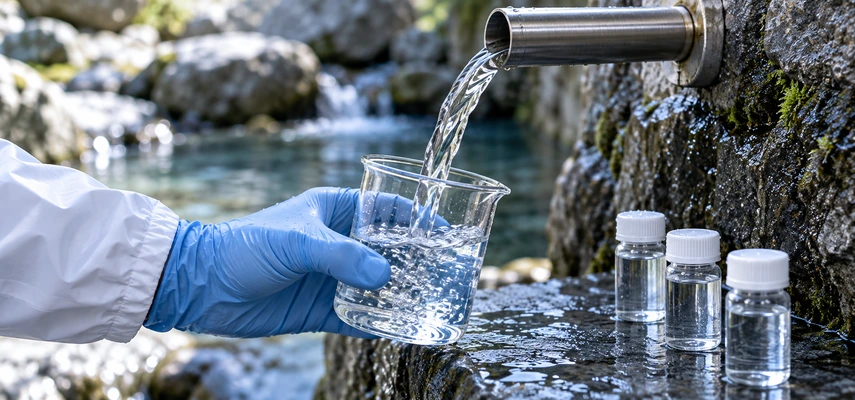
Does brewing water become the flavor of sake in the way a spring's mineral taste appears in a glass of water? That is too direct a picture of a mu
Continue Reading









