











Sake style is the result of connected decisions. Rice selection affects how the material behaves; koji supplies enzymes; yeast and fermentation ma
Continue ReadingHow Fermentation Temperature and Timing Shape Sake Style
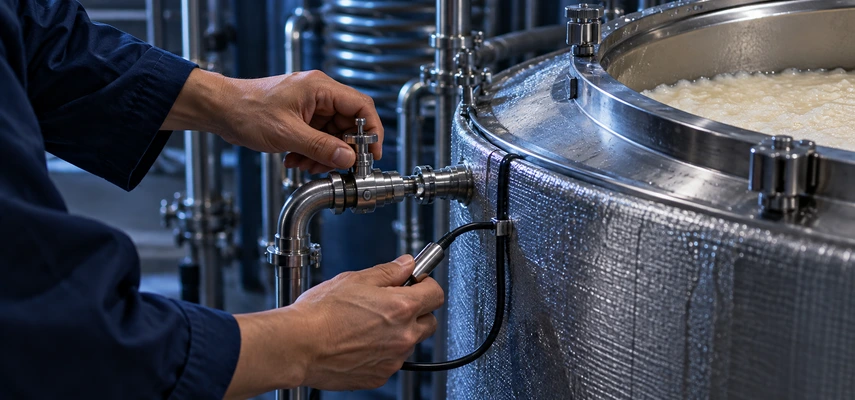
Is colder fermentation always better? Only if “better” means ignoring what the brewer is trying to make. Fermentation temperature changes the
Continue ReadingSō-haze vs. Tsuki-haze Kōji: Mould Growth, Enzyme Distribution, and Sake Style
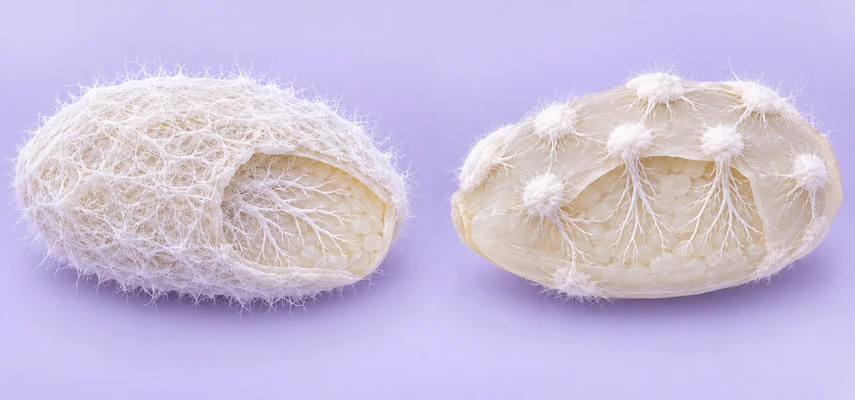
Does less visible mould mean less useful kōji? Not necessarily. Tsuki-haze kōji can show scattered patches at the surface while the mould penetr
Continue ReadingFood and Sake Pairing Explained: Sweetness, Intensity, and Personal Preference
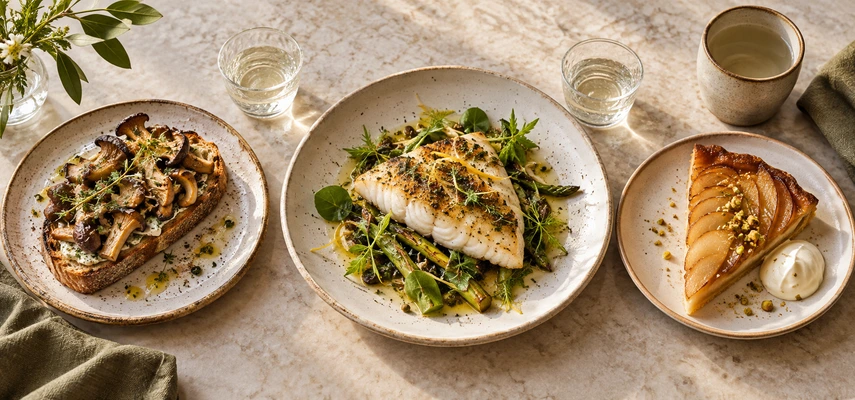
A technically clever pairing is of limited use if the person at the table doesn't enjoy it. Food and sake pairing begins with that practical fact.
Continue ReadingKoshu Sake Explained: Ageing, Maturation, and Flavor Development

A bottle can get older without getting better. Koshu sake is interesting because it makes ageing an intentional production and style decision, wit
Continue ReadingHow to Understand and Describe Sake: A WSET Level 1 Beginner’s Guide

A grape arrives with sugar ready for yeast. A rice grain arrives with a problem: its energy is mostly locked in starch. To understand and describe
Continue ReadingNigori Sake Explained: Cloudiness, Filtration, and Texture
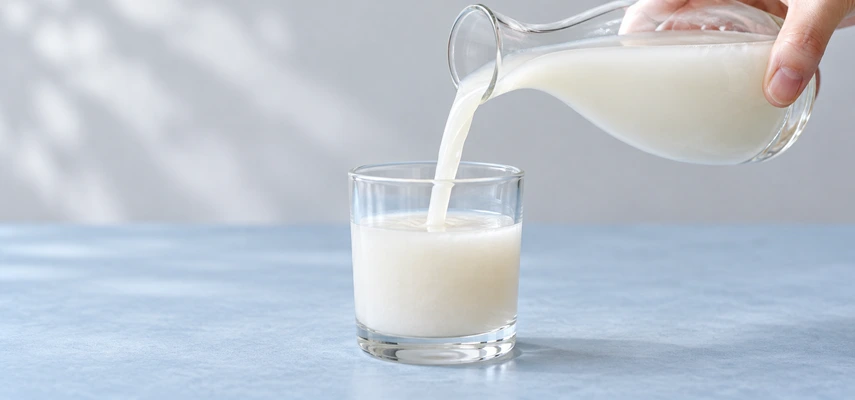
Cloudiness usually invites suspicion in a drink expected to be clear. With nigori sake, it can be exactly the intended result. Fine particles rema
Continue ReadingFruity Ginjō vs. Rich Junmai: How Brewing Choices Shape Sake Style
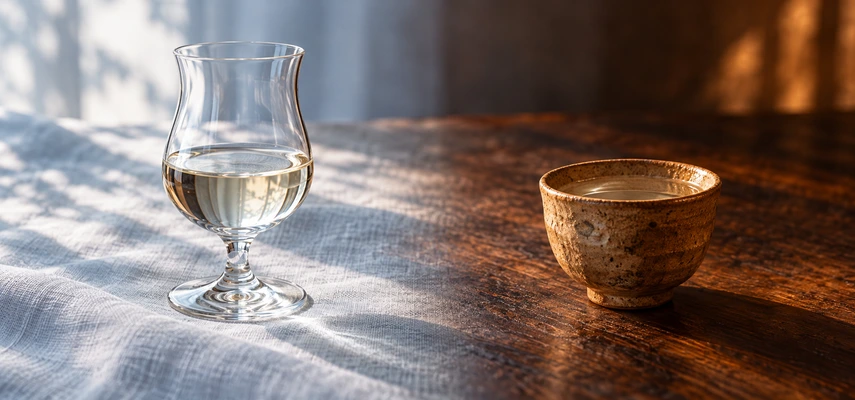
The same broad ingredient list can lead to a sake that seems airy and fruit-led or one that feels rounded and savory. Fruity ginjō vs. rich junma
Continue ReadingSō-haze vs. Tsuki-haze Kōji: How Mould Growth Influences Sake
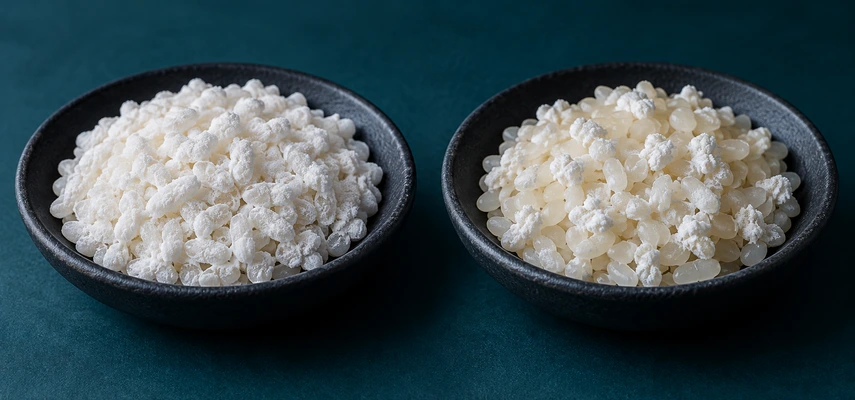
A rice grain covered in white growth can be exactly what a brewer wants. A grain with white growth in separated patches can also be exactly what a
Continue ReadingHow to Understand and Evaluate Sake: The WSET Level 2 Framework

How can a grain that tastes mostly of starch become a drink that suggests melon, steamed rice or roasted nuts? To understand and evaluate sake, fo
Continue Reading









