










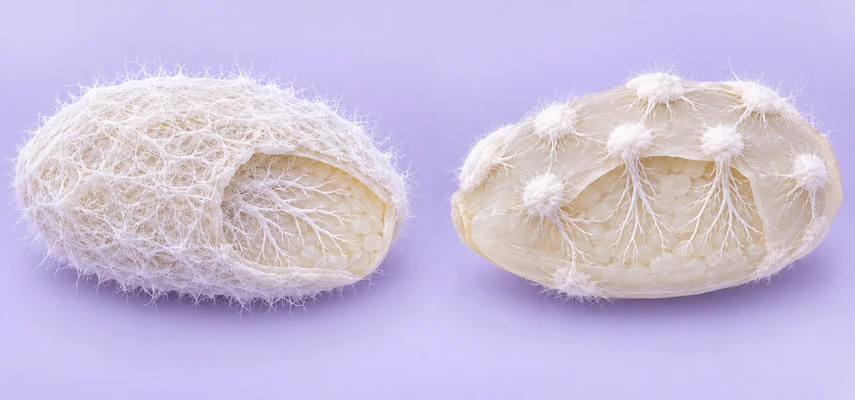
Does less visible mould mean less useful kōji? Not necessarily. Tsuki-haze kōji can show scattered patches at the surface while the mould penetr
Continue ReadingHow Kōji Is Made: Temperature, Humidity, and Traditional Production Methods
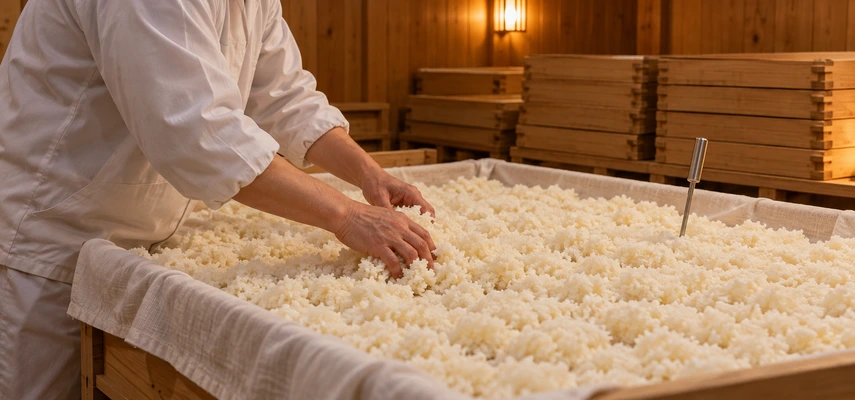
Why does making kōji involve so much moving rice around? Once you understand how kōji is made, the repeated spreading, breaking and mixing stop
Continue ReadingKōji Mould and Enzymes Explained: How Sake Converts Starch into Sugar
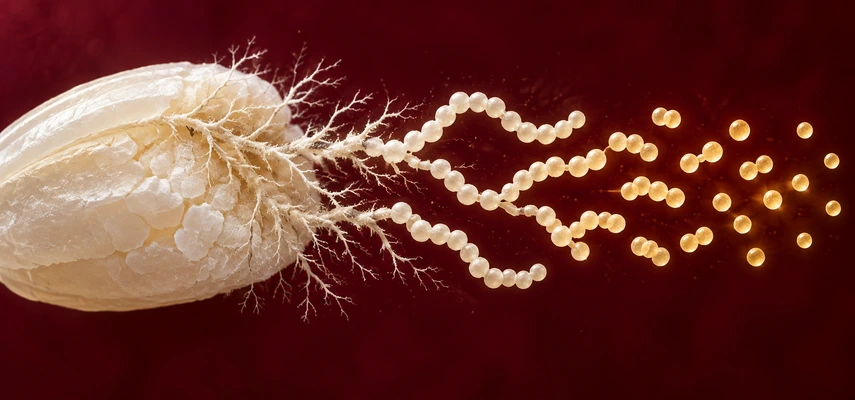
Why does a sake brewery cultivate a mould before asking yeast to make alcohol? Kōji mould and enzymes solve the problem that yeast cannot solve e
Continue ReadingShōchū Explained: Honkaku Shōchū, Awamori, and Japanese Distillation
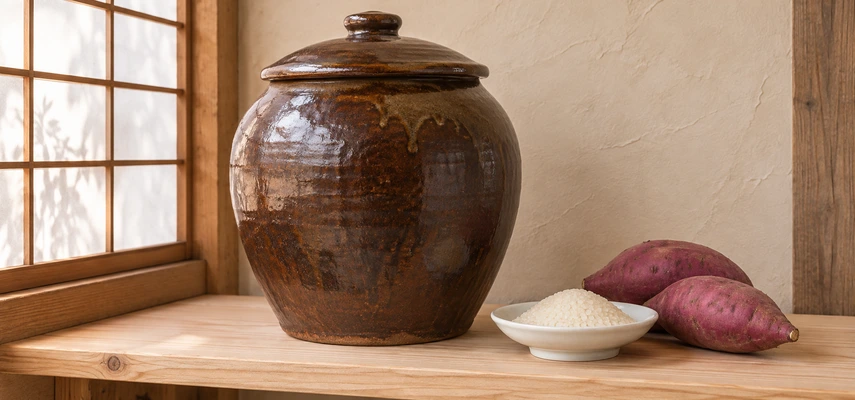
Shōchū rewards a small change in perspective. Instead of starting with a familiar whisky mash and asking what is different, start with two separ
Continue ReadingKōji Explained: How Mould Turns Rice Starch into Sugar
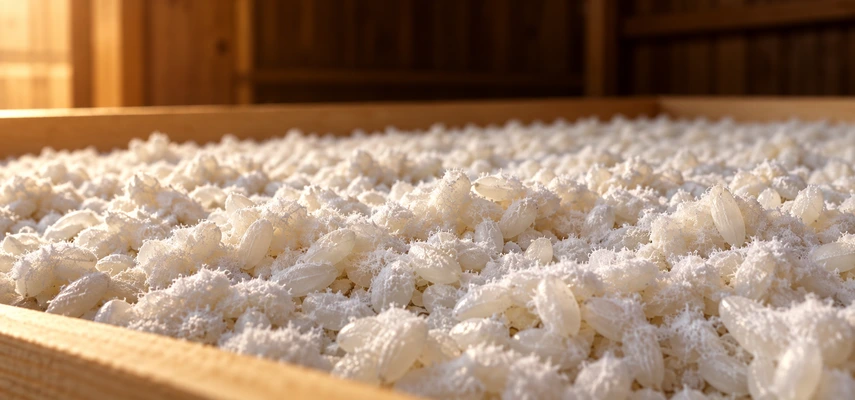
Rice is full of potential alcohol, but yeast cannot collect it directly. The starch is packaged in molecules that ordinary brewing yeast cannot fe
Continue ReadingMultiple Parallel Fermentation Explained: How Sake Produces Alcohol
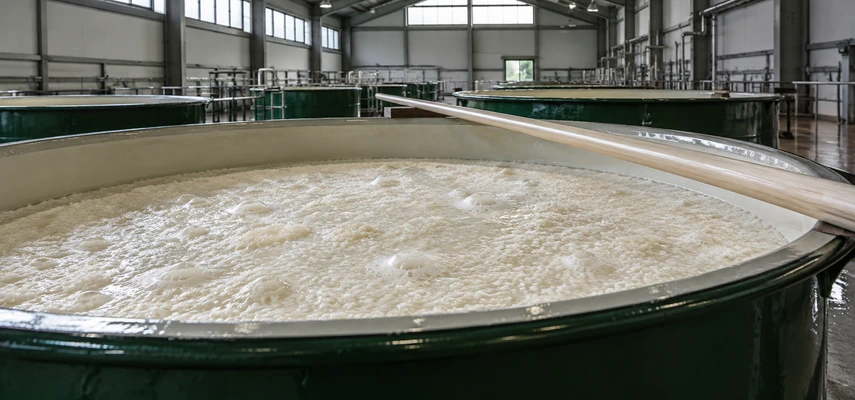
The sugar supply is being made while the yeast is spending it. That is the essential idea behind multiple parallel fermentation, the process at th
Continue ReadingSō-haze vs. Tsuki-haze Kōji: How Mould Growth Influences Sake
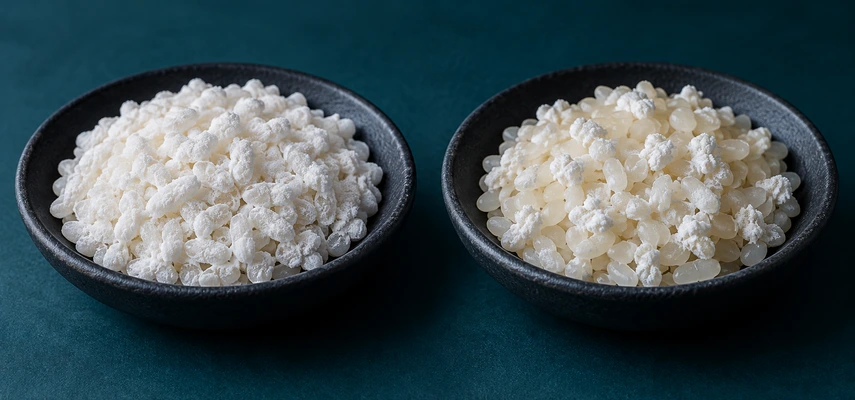
A rice grain covered in white growth can be exactly what a brewer wants. A grain with white growth in separated patches can also be exactly what a
Continue ReadingKōji Production Explained: Enzymes, Mould Cultivation, and Brewing Science
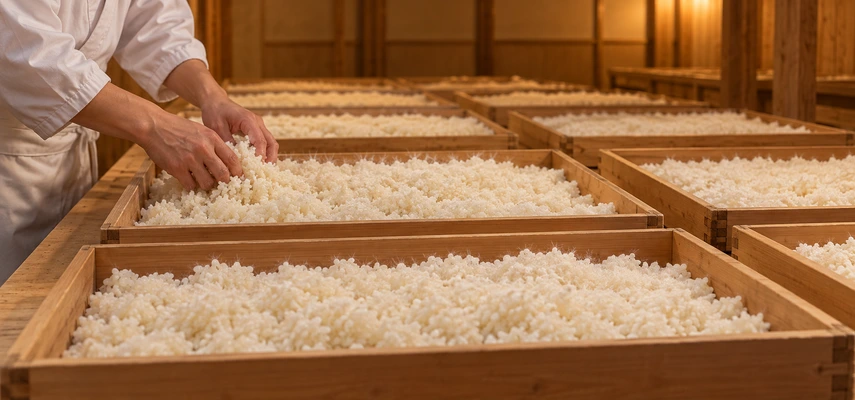
The rice looks quiet. The brewer keeps checking it anyway. In kōji production, a small living population is building an enzyme supply that will h
Continue Reading









