










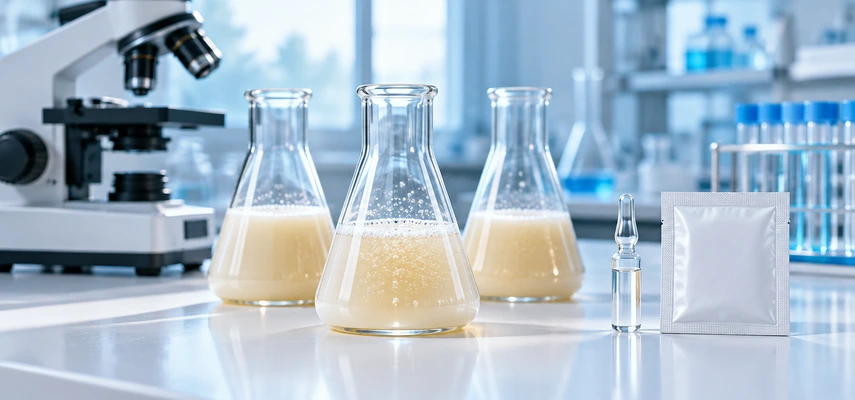
Why does a sake label sometimes mention a yeast number? Sake yeast influences fermentation behavior, acidity and aroma, so strain selection is a p
Continue ReadingBrewing Water Explained: Minerals, Yeast Nutrients, and Sake Character
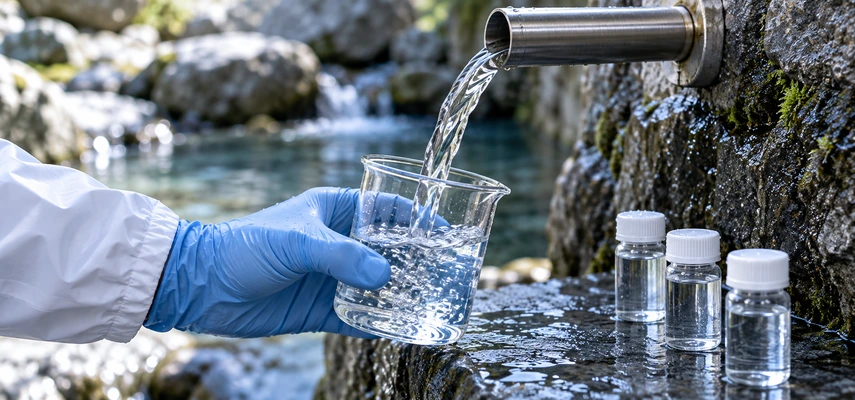
Does brewing water become the flavor of sake in the way a spring's mineral taste appears in a glass of water? That is too direct a picture of a mu
Continue ReadingSō-haze vs. Tsuki-haze Kōji: Mould Growth, Enzyme Distribution, and Sake Style
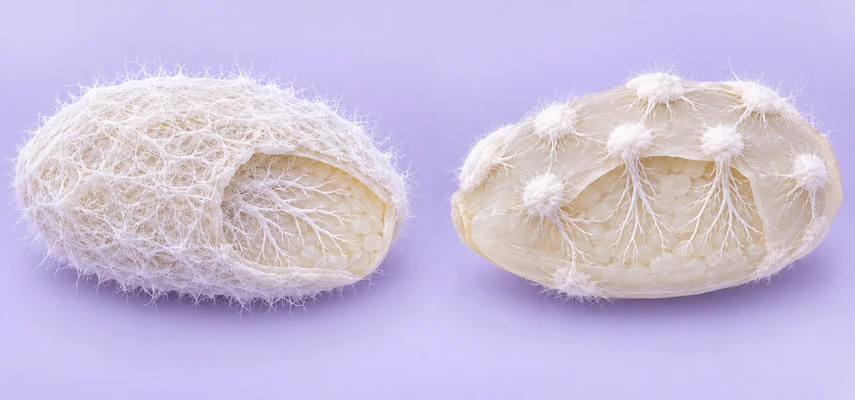
Does less visible mould mean less useful kōji? Not necessarily. Tsuki-haze kōji can show scattered patches at the surface while the mould penetr
Continue ReadingHow Kōji Is Made: Temperature, Humidity, and Traditional Production Methods
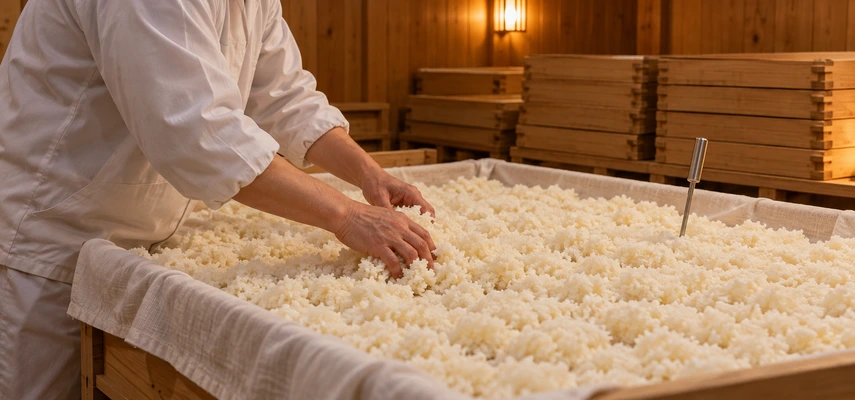
Why does making kōji involve so much moving rice around? Once you understand how kōji is made, the repeated spreading, breaking and mixing stop
Continue ReadingKōji Mould and Enzymes Explained: How Sake Converts Starch into Sugar
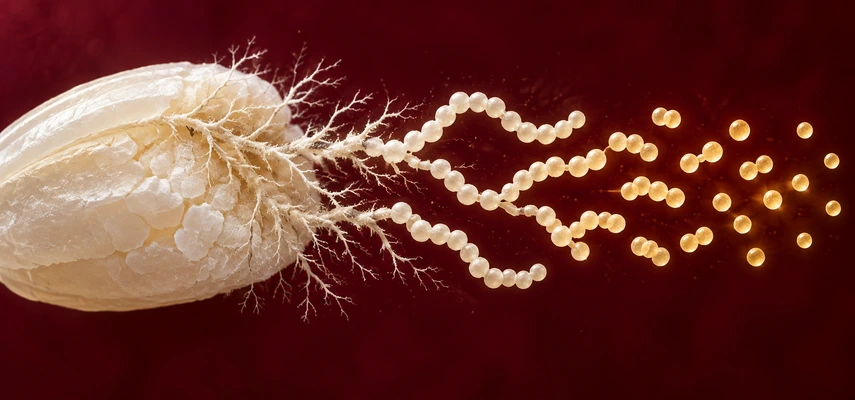
Why does a sake brewery cultivate a mould before asking yeast to make alcohol? Kōji mould and enzymes solve the problem that yeast cannot solve e
Continue ReadingRice Polishing, Washing, Soaking, and Steaming Explained
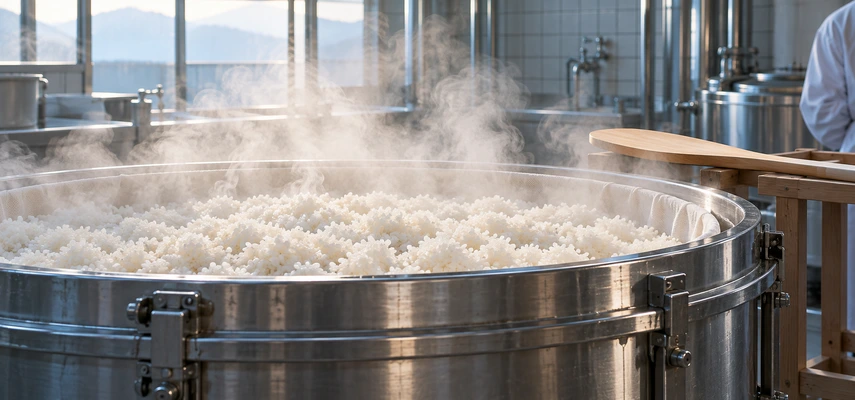
Why can expensive rice still become awkward brewing material? Rice polishing changes the grain's composition, but washing, soaking, steaming and c
Continue ReadingHow Sake Rice Is Grown and Graded: Paddy Fields, Cultivation, and Quality
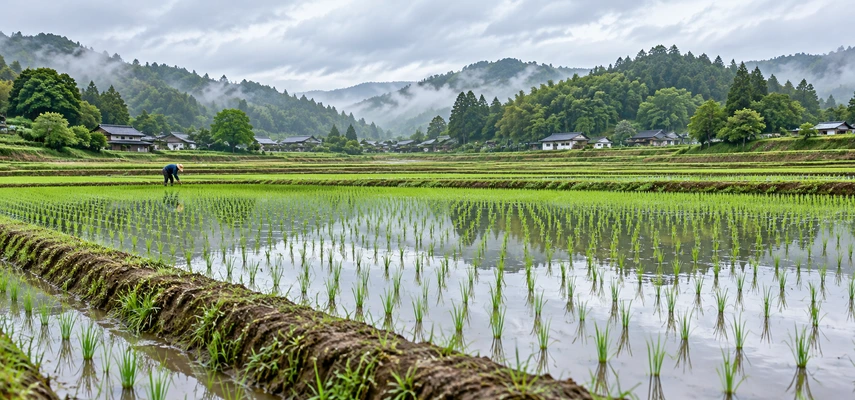
How much of a sake's future is decided before the brewery receives any rice? Farmers cannot determine the final aroma in a bottle, but they shape
Continue ReadingJapan’s Sake Rice Varieties Explained: Yamada-nishiki, Omachi, and Beyond
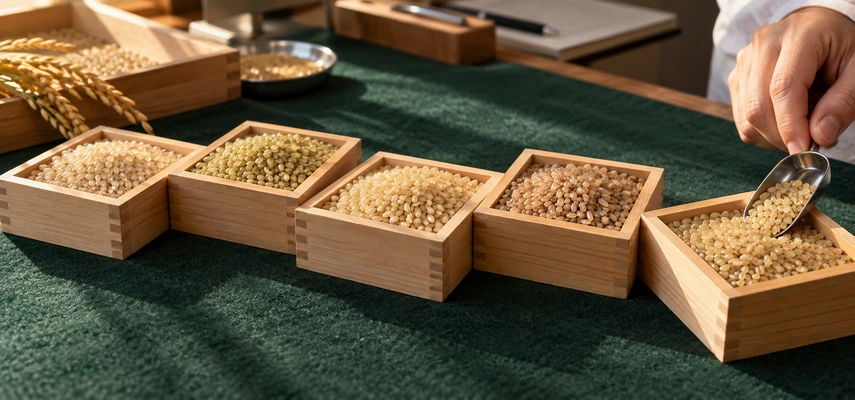
Can a rice name tell you what a sake will taste like? It supplies useful clues, but the answer isn't a five-entry flavor dictionary. Sake rice var
Continue ReadingSake Rice Explained: Grain Structure, Starch Chemistry, and Brewing Quality
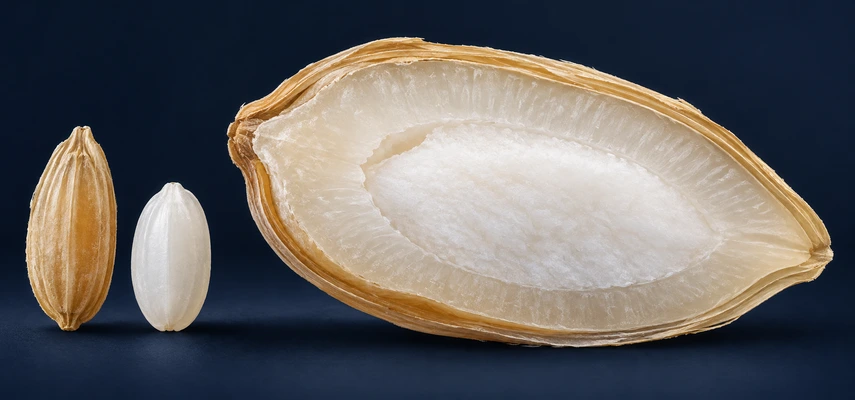
What does a brewer see in a grain of sake rice that a cook might overlook? Beyond its size and appearance sits a physical problem: starch must bec
Continue ReadingHow to Think Like a WSET Level 3 Sake Student: Explaining Style, Quality, and Production
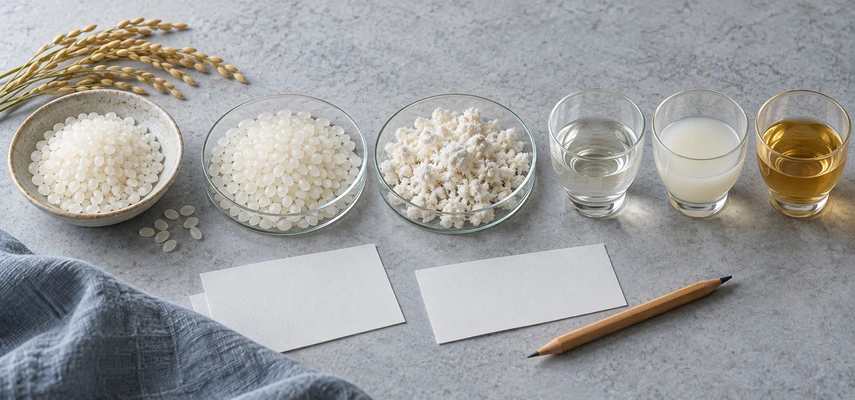
Why can two sakes made from rice, water, kōji and yeast taste so different? One suggests pear and feels almost weightless; another brings cereal
Continue Reading









