










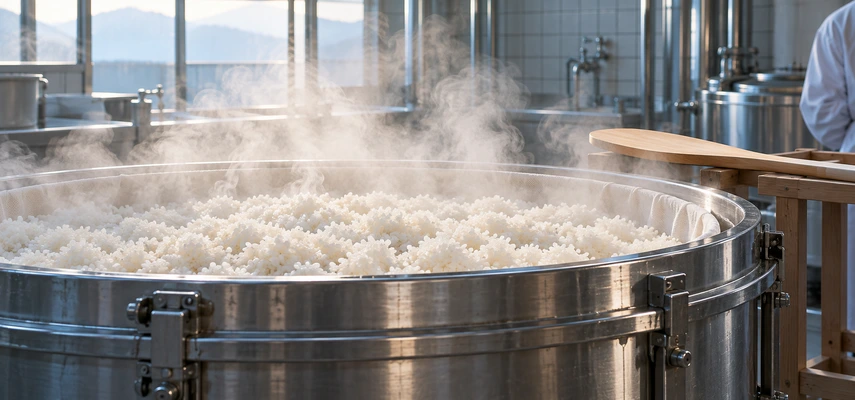
Why can expensive rice still become awkward brewing material? Rice polishing changes the grain's composition, but washing, soaking, steaming and c
Continue ReadingHow Sake Rice Is Grown and Graded: Paddy Fields, Cultivation, and Quality
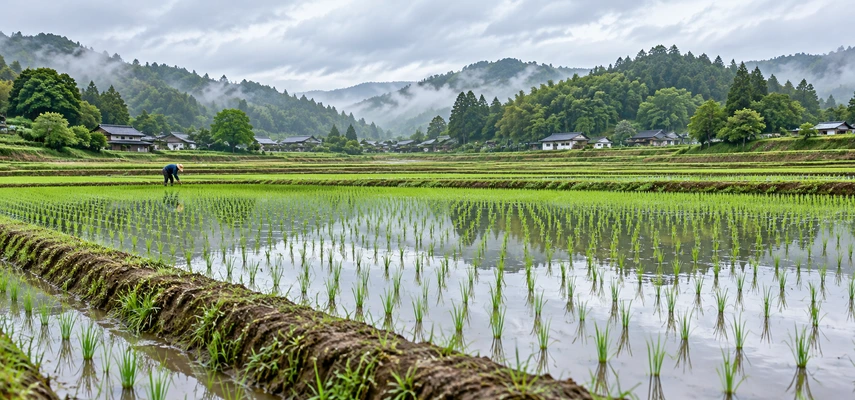
How much of a sake's future is decided before the brewery receives any rice? Farmers cannot determine the final aroma in a bottle, but they shape
Continue ReadingJapan’s Sake Rice Varieties Explained: Yamada-nishiki, Omachi, and Beyond
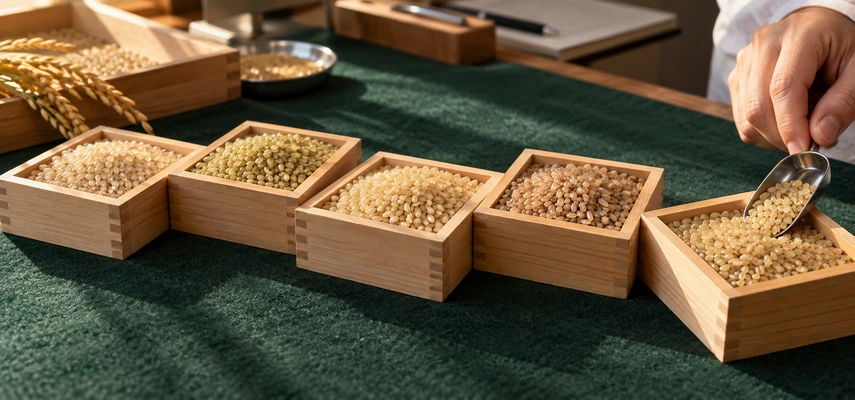
Can a rice name tell you what a sake will taste like? It supplies useful clues, but the answer isn't a five-entry flavor dictionary. Sake rice var
Continue ReadingSake Rice Explained: Grain Structure, Starch Chemistry, and Brewing Quality
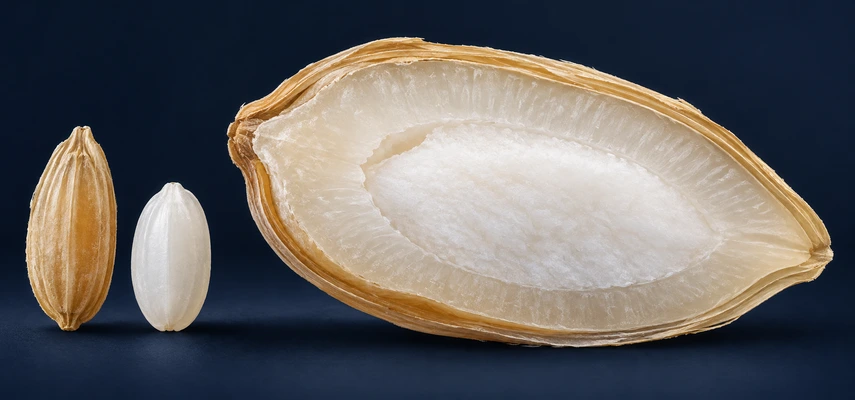
What does a brewer see in a grain of sake rice that a cook might overlook? Beyond its size and appearance sits a physical problem: starch must bec
Continue ReadingSake Rice Explained: Rice Polishing, Washing, Soaking, and Steaming
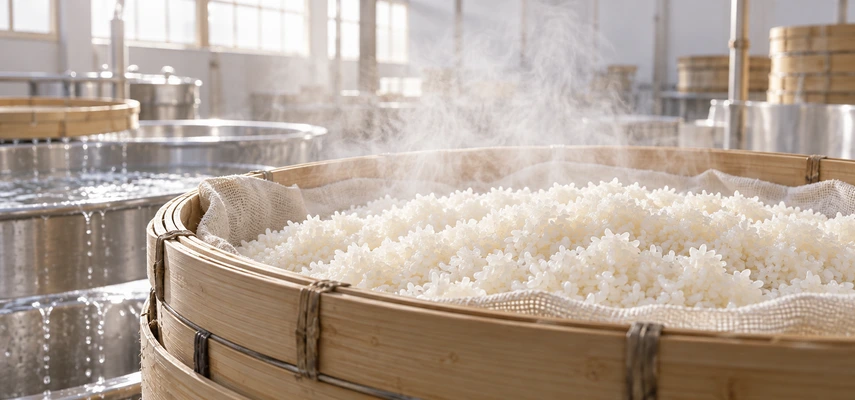
The number that looks most like a score on a sake bottle is not a score. If sake rice has a polishing ratio of 60%, that does not mean 60% was rem
Continue ReadingRice Polishing and Preparation Explained: Washing, Soaking, and Steaming
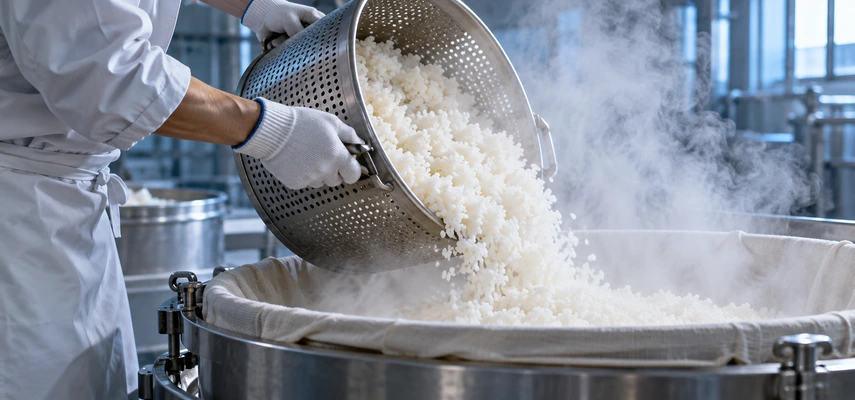
The number gets smaller as the work increases. A rice polishing ratio of 60% means the brewery has kept 60% of the original brown rice by weight,
Continue ReadingSake Rice Explained: Varieties, Growing Conditions, and Grain Structure
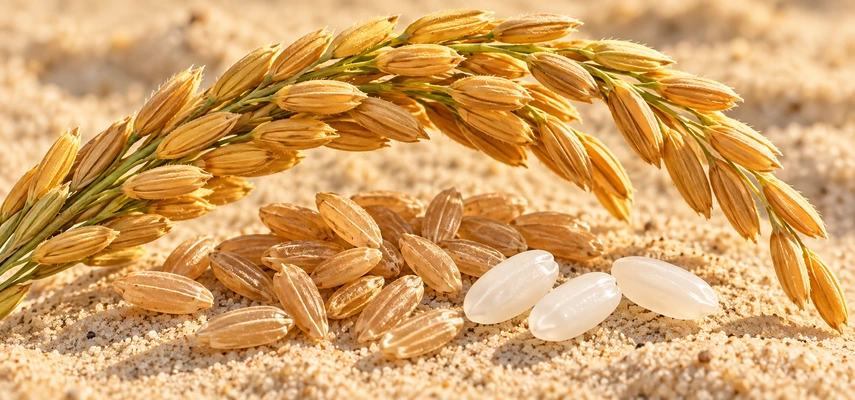
A brewer looks at rice and sees questions a cook might never ask. Will the grains survive substantial polishing? How predictably will they absorb
Continue Reading









