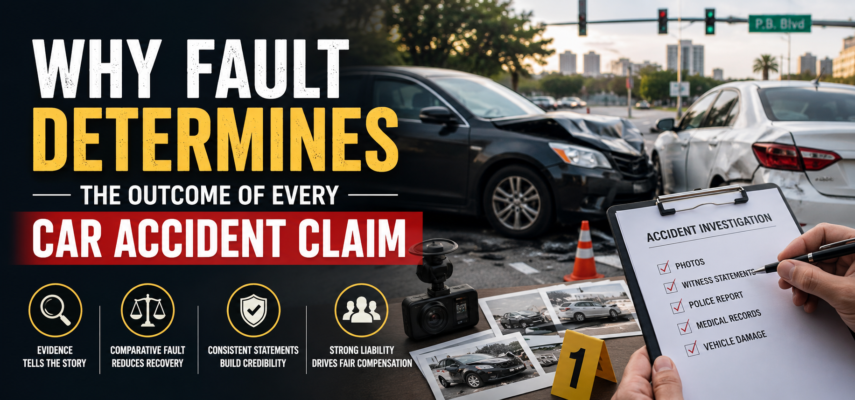
Florida’s busy highways, expanding cities, and steady flow of local and visiting drivers make traffic collisions an unfortunate reality across the state. While every crash is different, one issue consistently shapes what happens next: determining who was responsible. That question influences far more than insurance conversations, affecting whether compensation is available, how much may be recovered, and how long a claim could take to resolve.
For injured drivers, understanding how fault is evaluated can help them make informed decisions from the very beginning instead of reacting after disputes arise. Evidence, witness accounts, and the circumstances surrounding the collision all play a role in building a strong case, making early preparation especially important. Because liability can directly impact the success of an injury claim, many people benefit from understanding the legal process before speaking extensively with insurers. Consulting a car accident attorney in West Palm Beach can provide valuable guidance when questions about fault become central to pursuing fair compensation.
Small Facts Change Big Results
A claim can rise or fall on details that seem minor at first glance. Brake marks, turn signals, lane position, phone records, and timing data may support one version while weakening another. Missing one fact can distort the whole story. Strong files usually develop from quick preservation, careful review, and consistent statements given before memories fade.
Comparative Fault Reduces Recovery
Florida fault rules can lower compensation if an injured driver shares blame. A person found partly responsible may recover less than the full loss. That reduction can be severe after a disputed left turn, unsafe merge, or sudden stop. For that reason, each percentage point matters during negotiation and trial preparation.
Evidence Carries the Claim
Photos from the scene often speak louder than later recollections. Crash reports help, though they rarely settle every dispute on their own. Medical records connect physical harm to the impact. Repair estimates show force and location. Surveillance footage, dashboard video, and witness statements can become decisive when drivers tell different stories, and each insurer pushes a conflicting account.
Statements Must Stay Consistent
Recorded calls pose a risk when injured people guess, speculate, or fill in gaps. Adjusters listen for shifting details, uncertain timing, and casual apologies. Even polite remarks can be framed as admissions. Clear, limited, accurate answers protect the record. Consistency across reports, treatment notes, and conversations strengthens credibility from the start.
Shared Blame Often Causes Disputes
Many carriers try to spread fault across both drivers. That tactic reduces payout pressure and increases bargaining power. They may argue distraction, speeding, tailgating, or failure to react. A person with serious injuries can still face those claims. Effective rebuttal depends on objective proof, because unsupported denial rarely moves a skeptical adjuster.
Injury Value Depends on Liability Strength
Serious harm does not guarantee full payment. A high medical total may still settle at a low amount if blame remains uncertain. By contrast, modest treatment can produce fair money when liability appears clear and defensible. Fault gives numbers meaning. Without a persuasive liability case, damages alone often fail to carry a claim across the finish line.
Multiple Parties Complicate Allocation
Some crashes involve more than two drivers. Chain reactions, rideshare pickups, commercial vehicles, and employer use can widen the field of responsibility. Each party may blame another participant. That spreads insurance coverage, yet it also creates more resistance. Sorting those roles early helps prevent delay and keeps key evidence from disappearing while carriers debate exposure.
Timing Affects Proof
Liability proof weakens as time passes. Skid marks fade, vehicles get repaired, videos vanish, and witnesses grow uncertain. Prompt treatment also matters because gaps invite arguments that the injuries came from another event. Fast action protects evidence and narrows the room for doubt. Delay gives insurers space to question both fault and physical harm.
Settlement Pressure Follows Fault
A clear fault creates pressure on the paying side. An unclear fault creates pressure on the injured side. That dynamic affects mediation, demand letters, and lawsuit strategy. Defendants facing obvious exposure often seek control through earlier offers. Disputed liability, by contrast, encourages lower numbers and longer fights, even where damages look substantial.
Conclusion
Every car accident claim turns on fault because fault decides financial responsibility, negotiation strength, and trial risk. Injury evidence remains essential, but liability gives that evidence legal value. Strong claims usually pair documented losses with a clear account of how the crash happened. Where blame is disputed, careful proof becomes the difference between limited recovery and fair compensation. In practical terms, fault is the engine driving the entire claims process.