










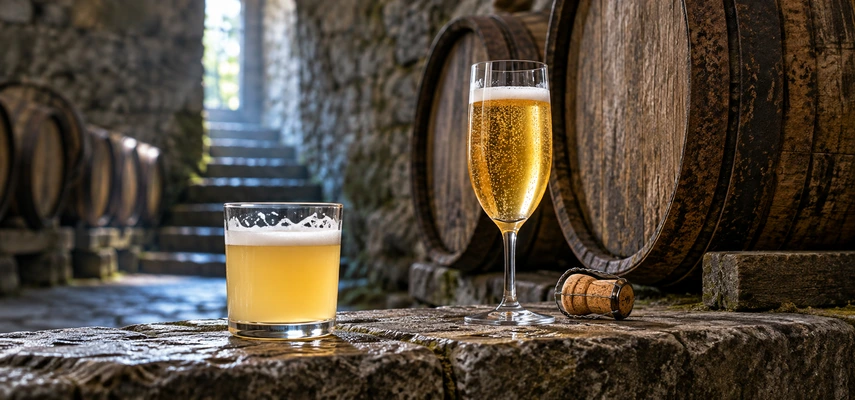
A tart beer is not necessarily a beer gone wrong. Sour beers explained through their intended production show how acidity can become the center of
Continue ReadingBelgian Ales Explained: Dubbel, Tripel, and Saison
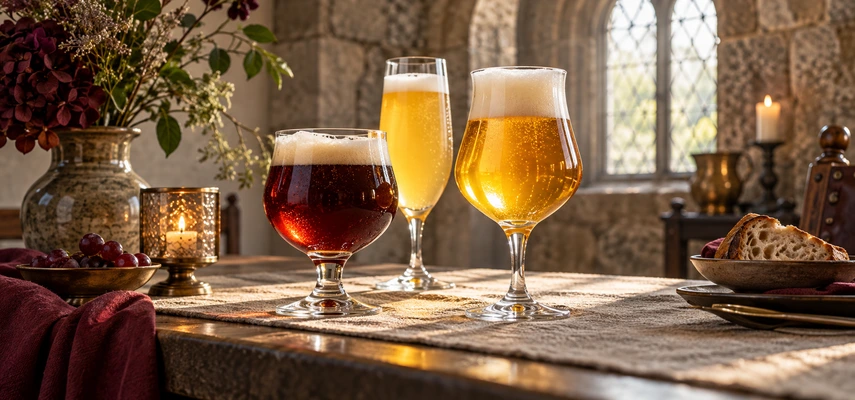
A deep brown beer, a strong golden beer and a remarkably dry pale ale can all belong in a chapter about expressive Belgian fermentation. Belgian a
Continue ReadingWheat Beers Explained: Weissbier vs. Witbier
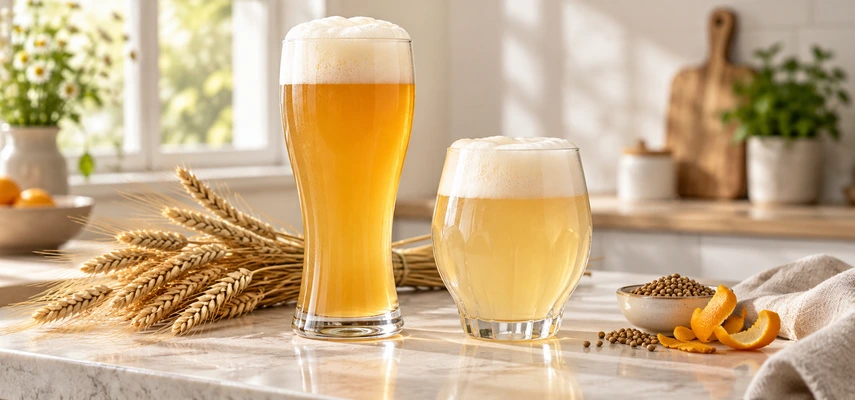
Wheat beers explained only as cloudy drinks miss the best part. A Weissbier can suggest banana and clove without either being added. A Witbier can
Continue ReadingPale Ale and IPA Explained: American Pale Ale, American IPA, and Hazy IPA
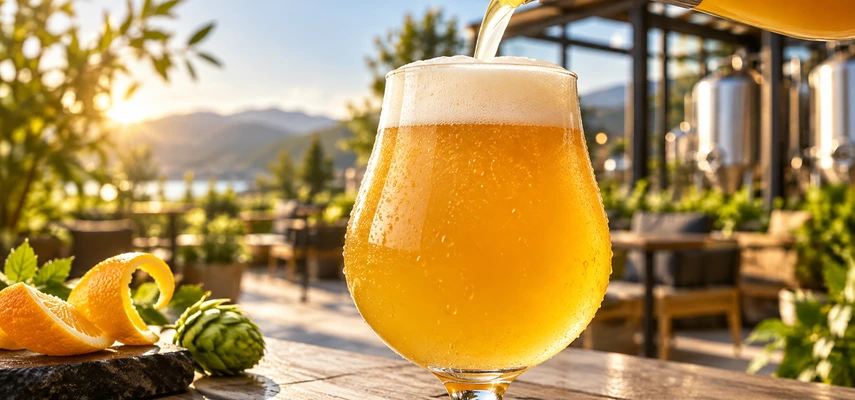
A beer can smell like a fruit bowl and still finish dry. Another can have a brilliant golden color and a firmly bitter edge. Pale ale and IPA beco
Continue ReadingPilsner and Bitter Explained: Traditional European Hop-Driven Beers
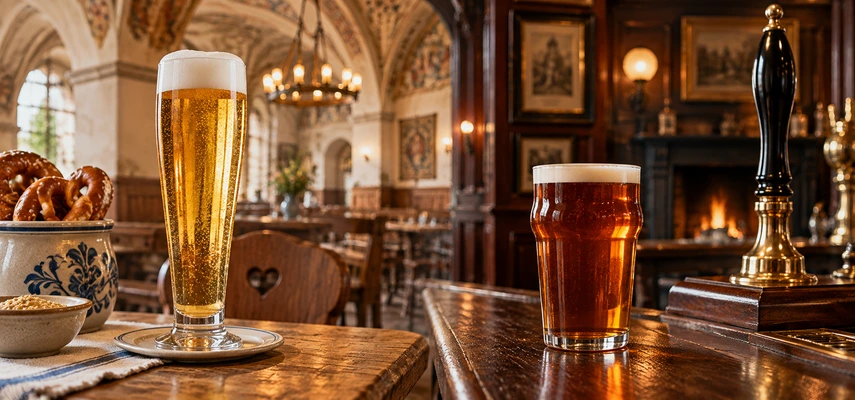
The name bitter sounds like a warning, while pilsner can sound like a synonym for any pale lager. Both impressions miss the interesting part. Pils
Continue ReadingDark and Rich Malt-Driven Beers Explained: Dunkel, Brown Ale, Porter, Stout, and Barley Wine
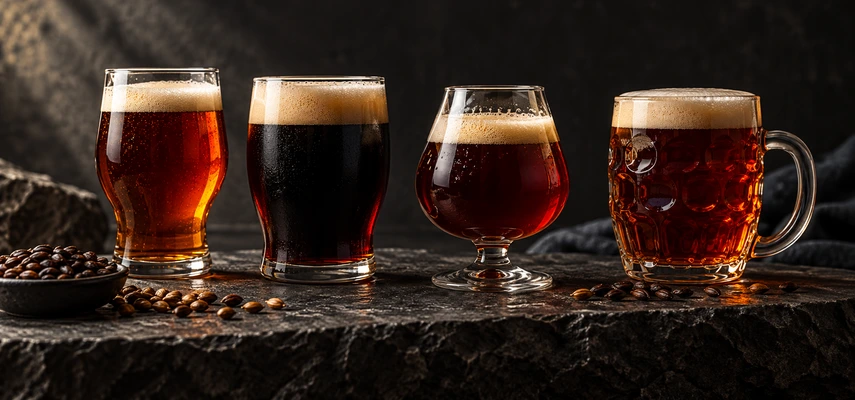
Dark malt-driven beers can suggest bread crust, nuts, caramel, coffee or chocolate, yet they don't all belong to the same sensory family. A smooth
Continue ReadingPale Lagers and Blonde Ales Explained: Light, Malt-Driven Beer Styles
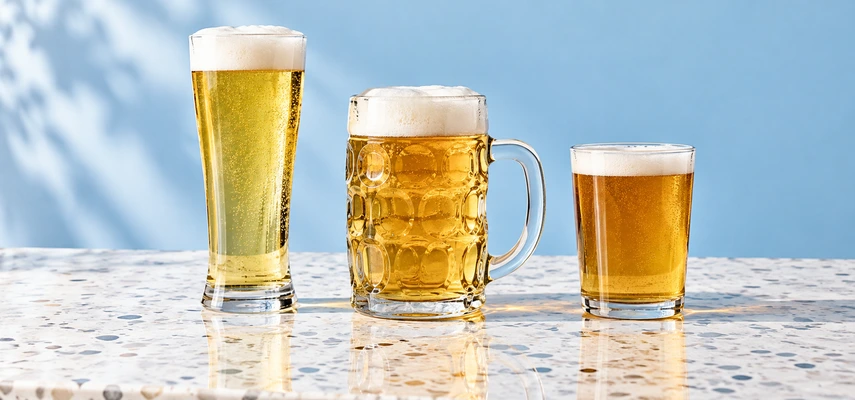
Put three pale golden beers beside one another and color may offer very little help. The differences could sit in a bread-like aroma, a softer mal
Continue ReadingHow Beer Is Brewed: From Milling and Mashing to Fermentation and Packaging
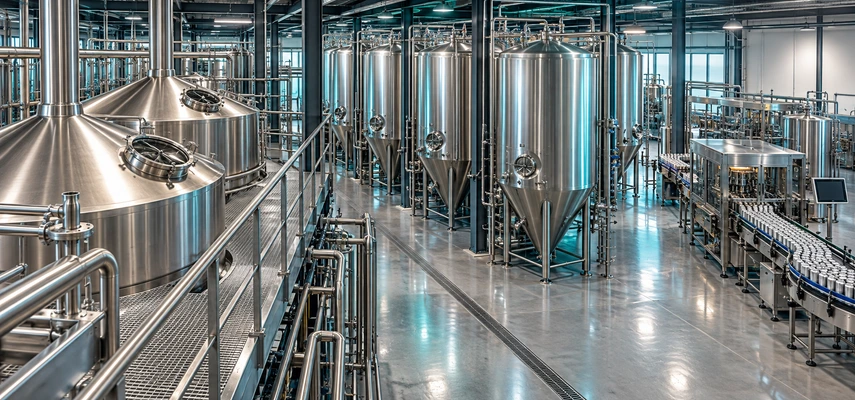
A brewery can look like a collection of impressive metal containers joined by very determined plumbing. The sequence becomes easier to understand
Continue ReadingMalting and Mashing Explained: How Grain Becomes Fermentable Sugar
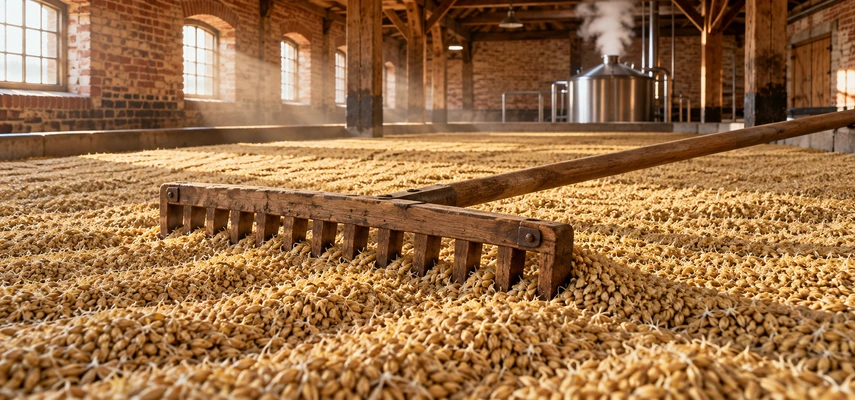
The grain arrives carrying energy, but much of it is locked into starch. Brewing needs some of that energy in a form yeast can use. Malting and ma
Continue ReadingBeer Yeast and Bacteria Explained: Ale, Lager, and Spontaneous Fermentation
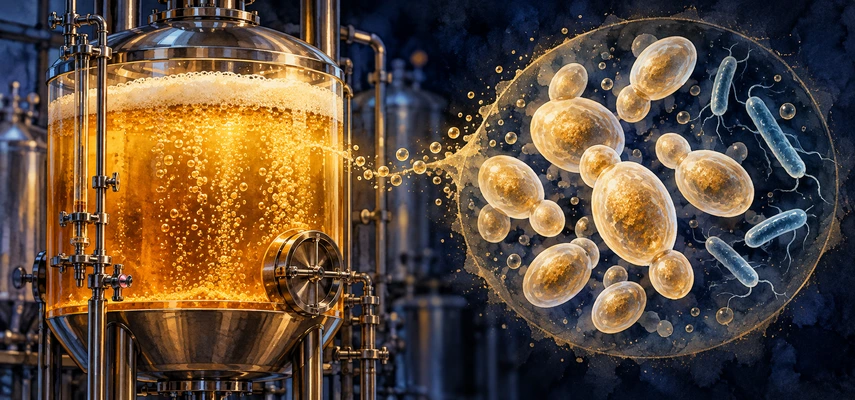
Yeast has an unusually productive way of eating dinner. Give suitable brewing yeast a supply of fermentable sugar and it can produce alcohol, carb
Continue Reading









