










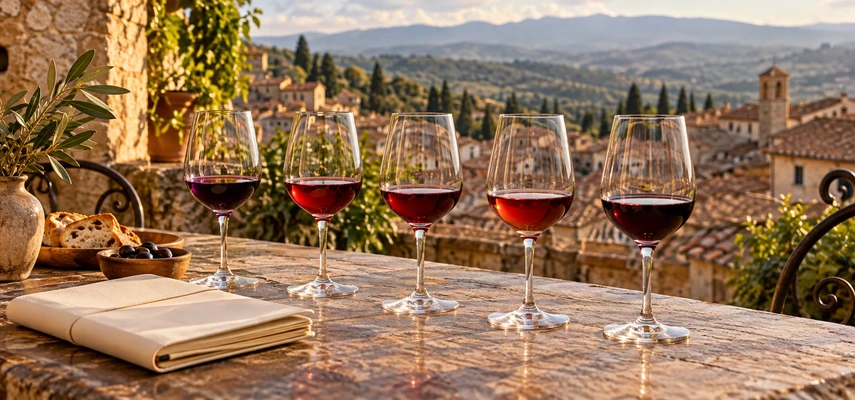
Five bottles display five place names, and none of the names appears in the principal-grape list. That isn't an omission. Many European wines anno
Continue ReadingPinot Noir and Syrah/Shiraz Explained: How Red Wine Styles Differ
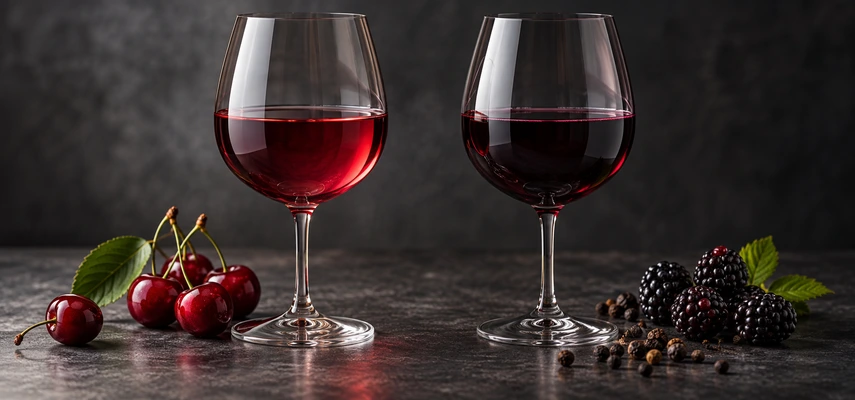
Hold a pale ruby red wine beside a much deeper purple-red example. The colour contrast is useful, but it doesn't reveal everything. A lighter-look
Continue ReadingCabernet Sauvignon and Merlot Explained: Two Famous Red Grapes
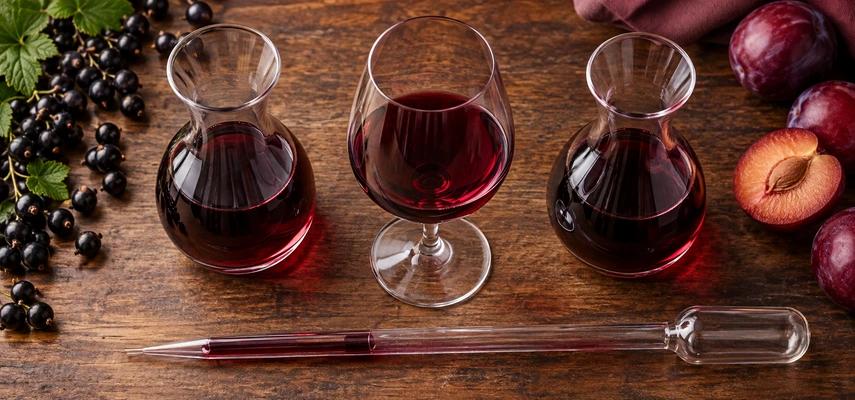
Blending wine can sound suspicious if mixing is assumed to mean hiding a problem. In fact, it can be an ordinary way to build a desired balance. O
Continue ReadingRiesling and Pinot Grigio Explained: Understanding White Wine Styles
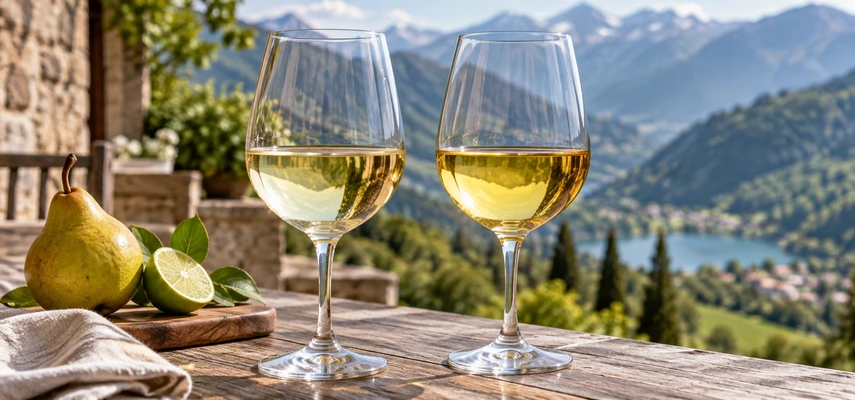
The word fruity causes trouble when it is asked to do two jobs. A Riesling can smell vividly of lime and peach yet be dry. A Pinot Grigio can tast
Continue ReadingChardonnay and Sauvignon Blanc Explained: Two Classic White Grapes
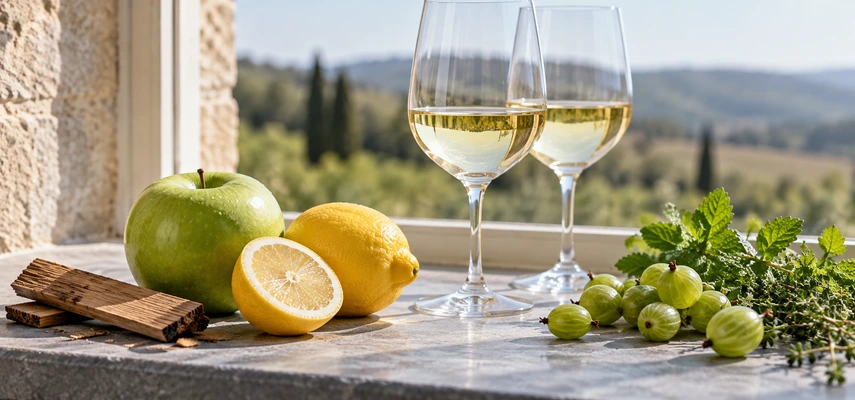
Someone says they dislike Chardonnay but love Chablis. There may be a perfectly sensible preference behind the statement: perhaps they dislike ric
Continue ReadingThe Different Types of Wine Explained: Color, Sweetness, Body, and Taste
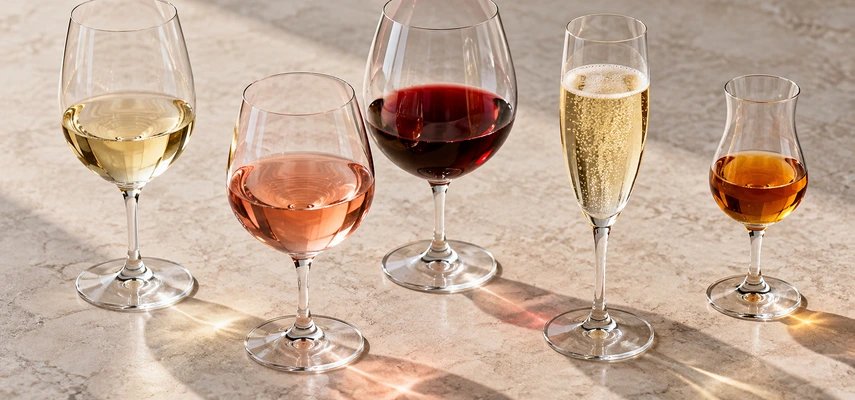
A wine can smell like ripe strawberries and still be dry. Another can be pale, sweet and full-bodied without being red or strongly tannic. These c
Continue ReadingHow Wine Is Made: Fermentation, Red, White, and Rosé Wines
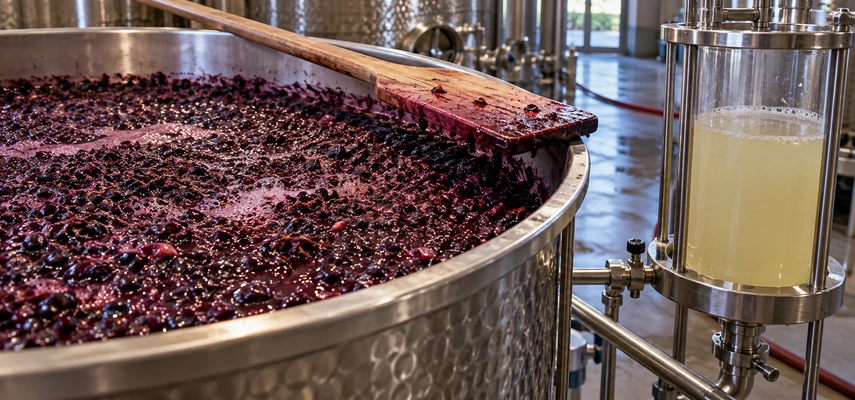
The colour of a grape doesn't have to be the colour of its juice. That is the first useful surprise in understanding wine production. The second i
Continue ReadingHow Climate Changes Wine: Cool vs. Warm Growing Regions
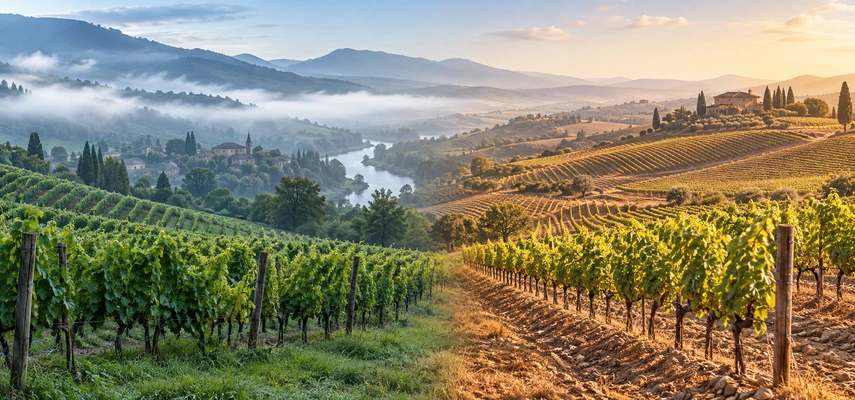
Two wines can carry the same grape name and feel like distant cousins. One tastes brisk and lemony; the other seems rounder, warmer and full of ri
Continue ReadingHow Wine Begins: Grapes, Vines, and Ripening Explained
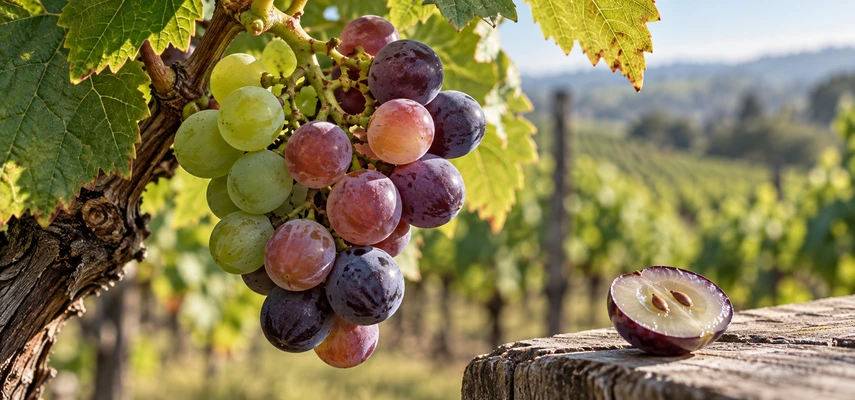
Cut a dark grape in half and the inside may be surprisingly pale. That small surprise explains something useful about wine: the juice and the skin
Continue ReadingTequila Explained: Blue Agave, Jalisco, Production, and Ageing Labels
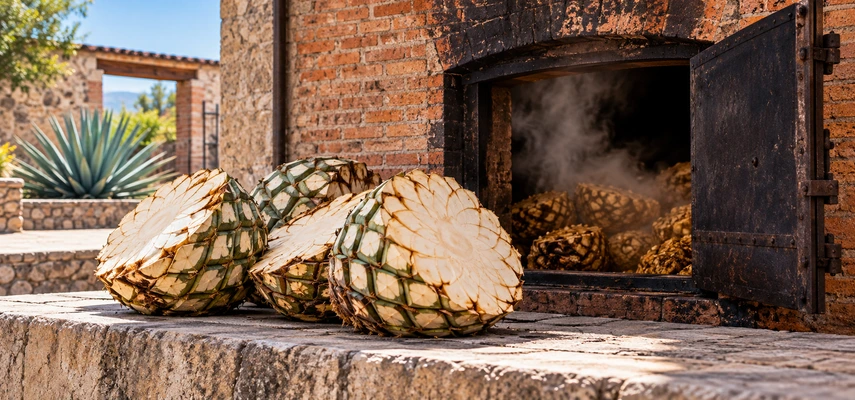
Tequila production begins with a plant whose useful reserves are stored in a heart, not a barrel of ready-made juice. Blue agave needs preparation
Continue Reading








