










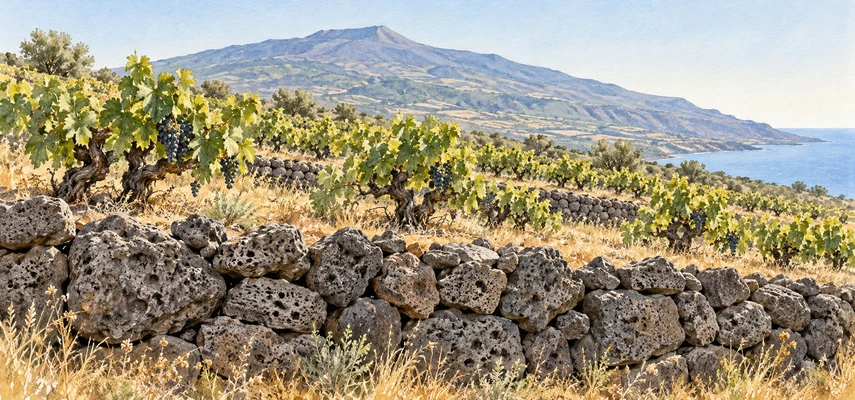
Central and southern Italian wines are a good place to abandon the idea that travelling south simply makes wine heavier. Yes, there are generous r
Continue ReadingTuscan Wines Explained: Chianti, Brunello, Bolgheri, and Sangiovese
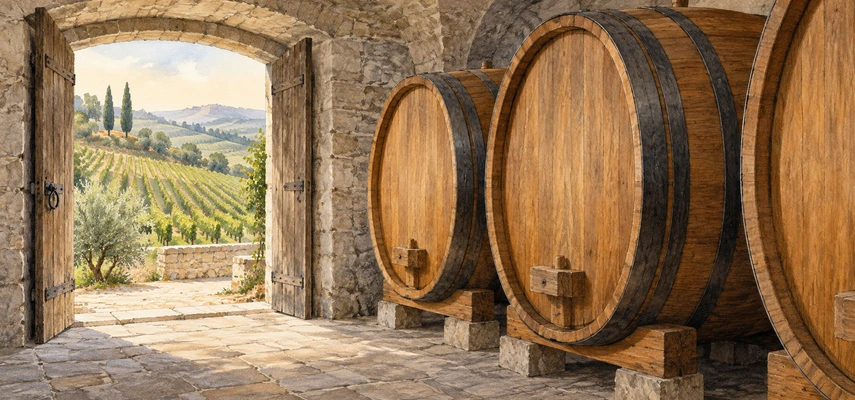
Tuscan wines have a very recognisable leading character in Sangiovese, but the cast is bigger than one grape. A bright, cherry-scented Chianti, a
Continue ReadingPiedmont Wines Explained: Barolo, Barbaresco, Barbera, and Gavi
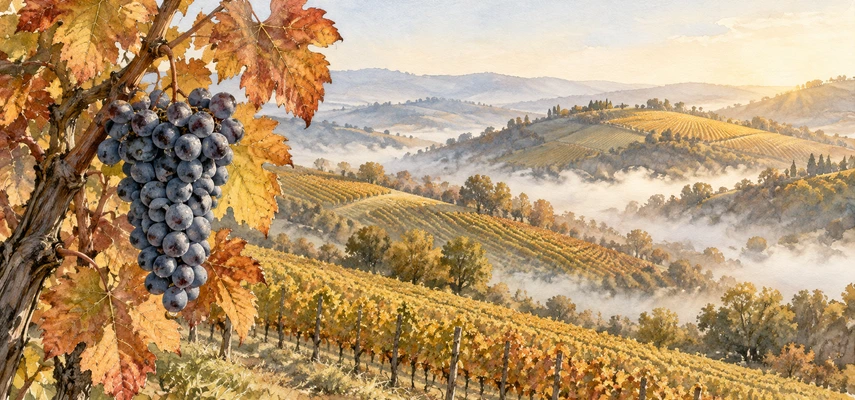
Piedmont wines make a useful corrective to the idea that a darker red must be a more powerful red. Nebbiolo can look surprisingly pale while deliv
Continue ReadingNorthern Italian Wines Explained: Alto Adige, Friuli, Veneto, and Their Grapes
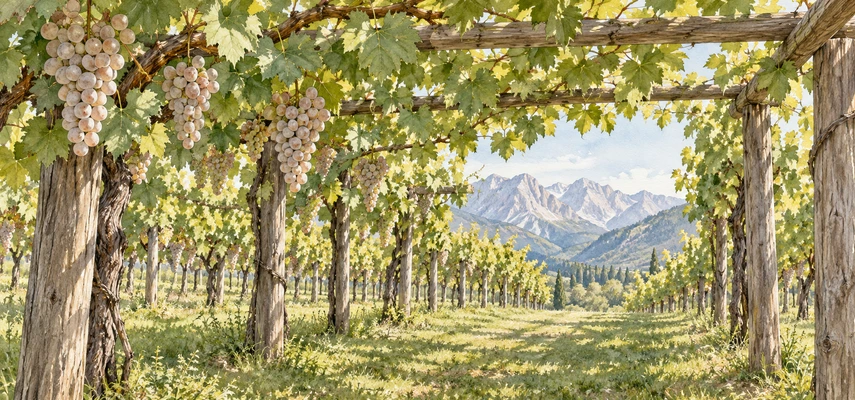
Northern Italy can turn Pinot Grigio into a fresh, straightforward white or a richer, more textured wine. Around Verona, a family of red grapes ca
Continue ReadingWine Labels Explained: French, Italian, Spanish, and German Terms
A wine label can look as though five different people each contributed a favourite word. One names the place, another the grape, another the a
Continue ReadingItalian White Wines Explained: Soave, Gavi, Verdicchio, and Fiano
Why does one Italian white feel brisk and lemony while another feels broader, with ripe peach and a nutty edge? Italian white wines explained
Continue ReadingItalian Red Wines Explained: Barolo, Chianti, Valpolicella, and More
Why can a pale Barolo grip your mouth more firmly than a darker Barbera? Italian red wines explained through grape structure make that puzzle
Continue ReadingPinot Grigio vs. Pinot Gris: One Grape, Different Styles
If Pinot Grigio and Pinot Gris were poured into identical glasses, could you always tell which name was on the label? No: Pinot Grigio vs. Pin
Continue ReadingFamous Red Wines Explained: Beaujolais, Chianti, Rioja, and Rhône Wines
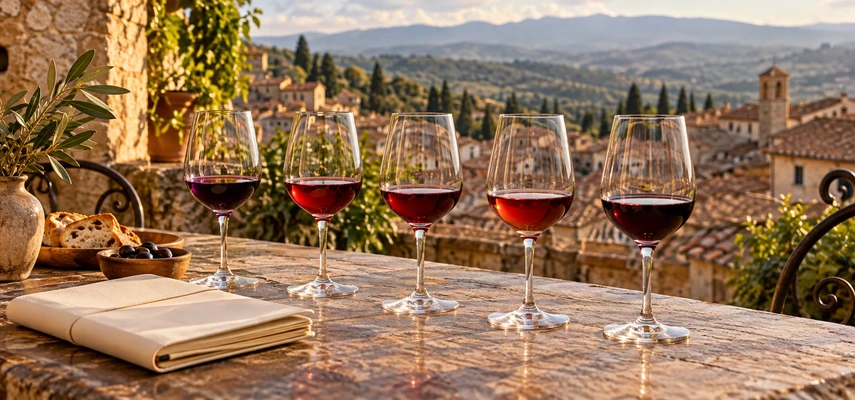
Five bottles display five place names, and none of the names appears in the principal-grape list. That isn't an omission. Many European wines anno
Continue Reading









