










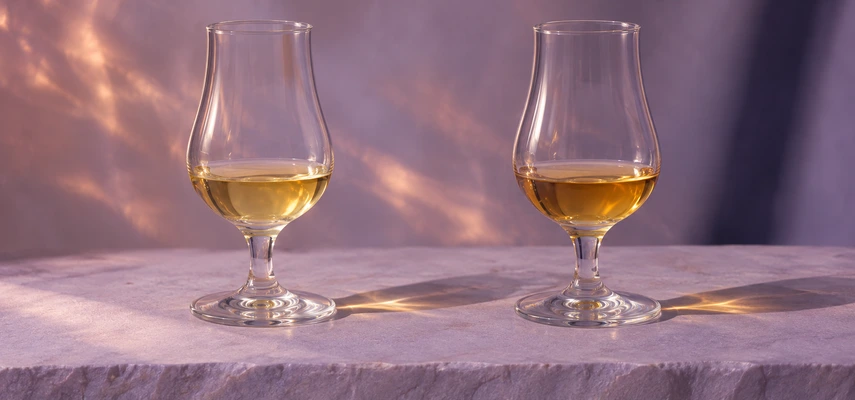
Cognac vs. Armagnac is often presented as a choice between elegance and rustic power. That is memorable, but it explains very little. An elegant A
Continue ReadingArmagnac Explained: Grapes, Column Distillation, and Regional Styles
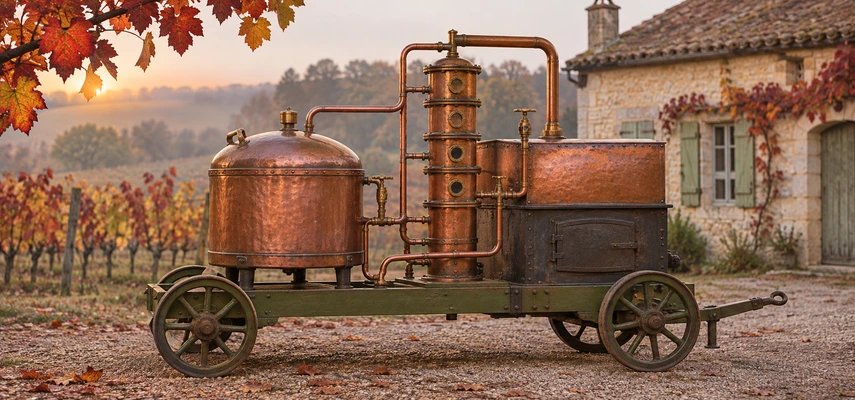
Armagnac is a good antidote to the idea that a column still must make flavorless spirit. Its familiar continuous apparatus is compact, comparative
Continue ReadingCognac Classifications Explained: Crus, Age Statements, and Blending
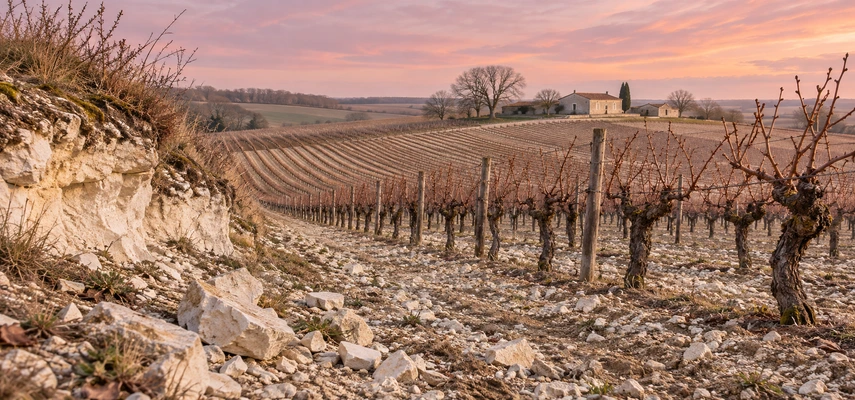
A label reading “Cognac Fine Champagne VSOP” gives you three different pieces of information. Cognac identifies the protected spirit. Fine Cha
Continue ReadingCognac Explained: Grapes, Double Distillation, Oak, and Quality
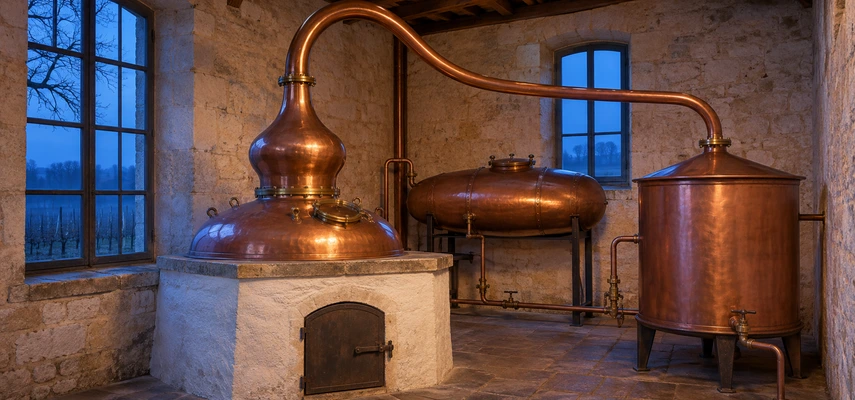
Cognac starts with a wine you might never choose for dinner. That is part of the point. Its grapes and winemaking serve a later process: two disti
Continue ReadingHow Fruit Spirits Are Made: Grapes, Wine, Pomace, and Fermentation
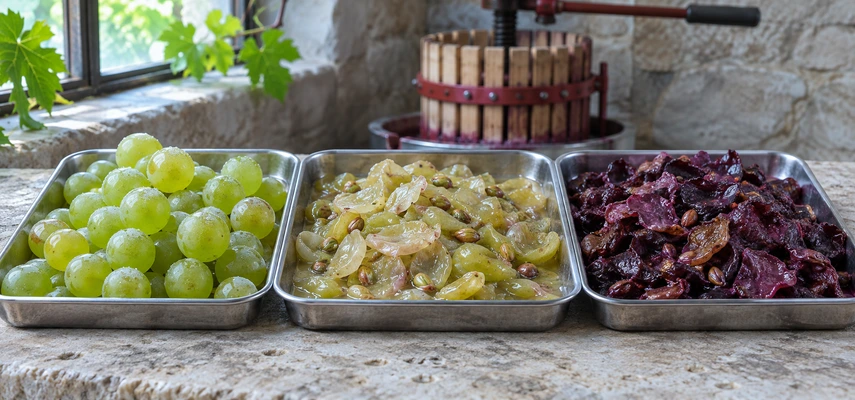
Fruit spirits begin with an advantage over grain spirits: fresh fruit already contains sugars that yeast can use. There is no general need to conv
Continue ReadingRye and Tennessee Whiskey Explained: Production Rules and Flavor Differences
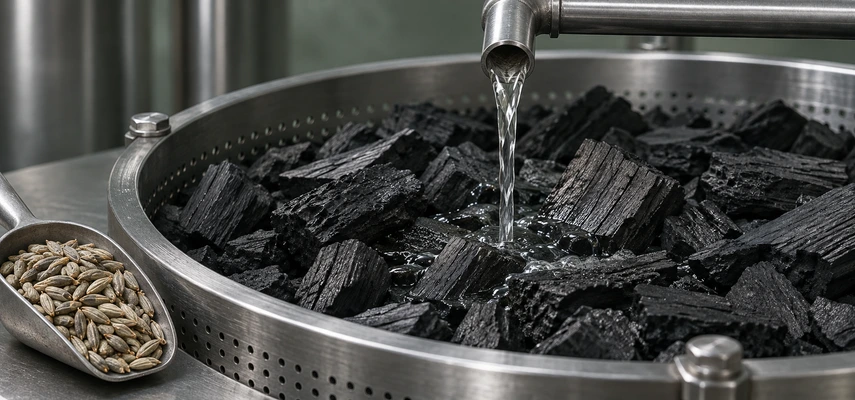
Rye and Tennessee whiskey make an instructive pair because their names answer different questions. American rye starts with a grain-based producti
Continue ReadingBourbon Explained: Mash Bills, Distillation, New Oak, and Quality
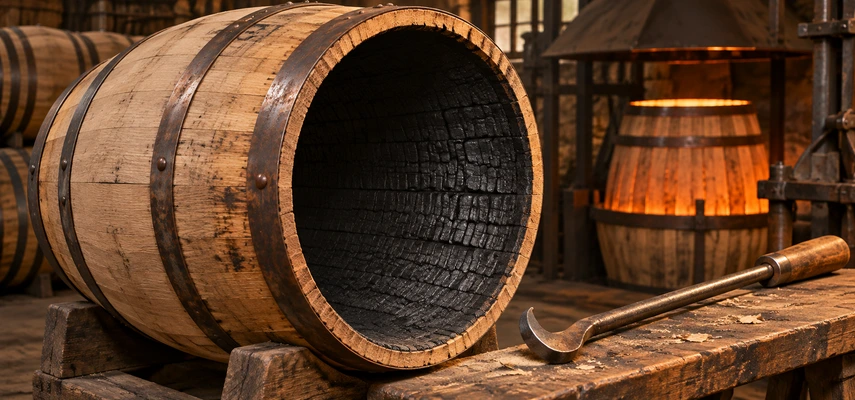
Bourbon gives you a useful puzzle: a tightly defined category that still produces a remarkable range of whiskey. Corn matters, of course. So do th
Continue ReadingGrain and Blended Scotch Whisky Explained: Production Choices, Laws, and Style
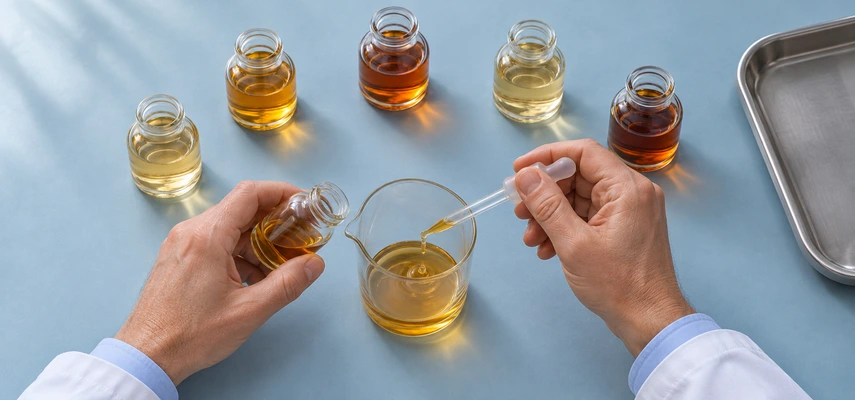
“Single grain” sounds as though it should describe a whisky made from one cereal. It doesn't. “Blended” sounds as though it should describ
Continue ReadingSingle Malt Scotch Whisky Explained: Production, Distillation, and Quality
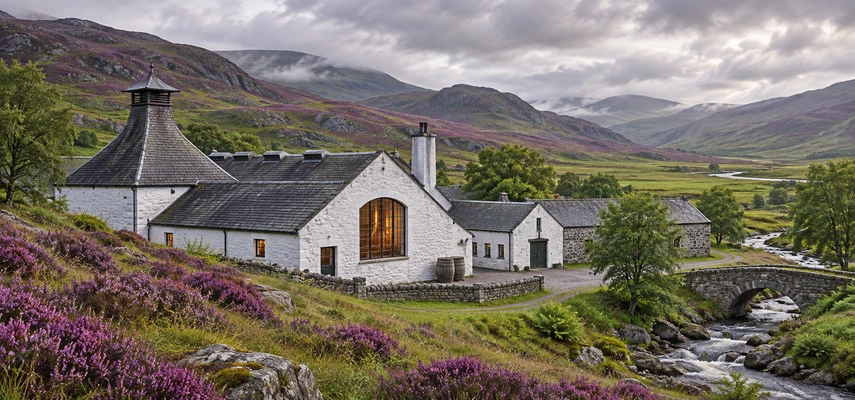
A delicate floral whisky and a deeply smoky one can both be single malt Scotch whisky. So can two bottlings from the same distillery that emphasiz
Continue ReadingHow Grains Become Whisky: Malting, Mashing, Enzymes, and Starch Conversion
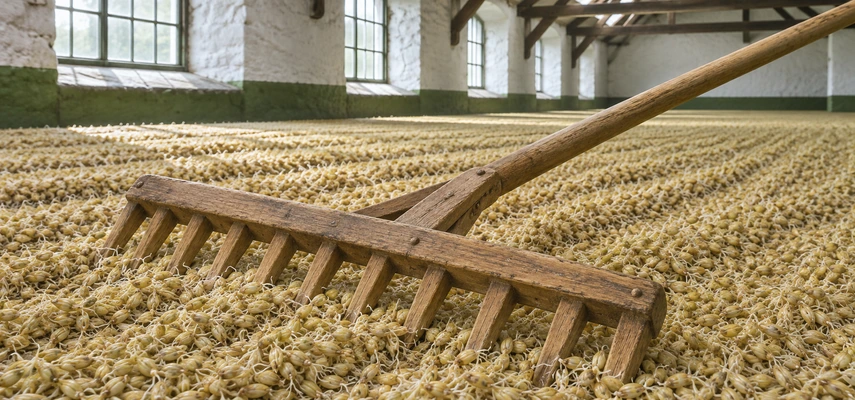
A sack of barley contains the potential for whisky, but the yeast can't simply ferment the sack. Much of the useful carbohydrate is stored as star
Continue Reading









