










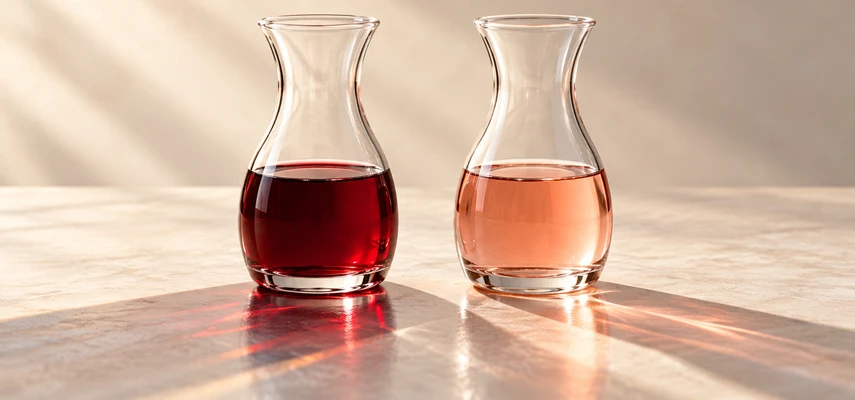

How can one grape produce both a substantial red and a pale, sweet pink wine—and also turn up under another name in Italy? Zinfandel and Primitivo explained through identity and production bring those apparently separate stories together. The grape stays connected; the growing context and the decisions after harvest change the result.
This is Article #18 of The TFE Guide to WSET Level 2 Wine, Part III: Regionally Important Grape Varieties. We’ll compare California Zinfandel with Puglia Primitivo, then explain White Zinfandel without inventing a white grape. It’s another case where a familiar name provides only part of the information you need.
What WSET Level 2 expects you to know
The current official specification assigns Zinfandel/Primitivo, California and Puglia to LO4. The series brief also requires red Zinfandel, White Zinfandel, typical characteristics, ripeness influences and regional production traditions.
The central identity is that Zinfandel and Primitivo are names associated with the same variety. The central production contrast is that a black grape can make differently coloured and differently sweet wines. Learn those facts together rather than treating each bottle name as evidence of a separate plant.
Genetic identity: same variety doesn’t mean identical wine
Research at UC Davis established the shared genetic profile of Zinfandel and Primitivo. The university’s grape reference also discusses the possibility of differences among clonal material after separate development. Those differences don’t overturn the shared-variety identity required for this course.
Think of the same variety grown and selected through different regional histories. Site, plant material, crop, harvest and production can all influence the finished wine. A Californian Zinfandel and an Italian Primitivo needn’t taste identical to remain connected botanically.
The university’s account of the grape’s roots provides further historical context. For Level 2, keep the identity and prescribed regions clear before collecting every ancestral name or date. Extra genealogy shouldn’t push the practical style comparison out of your revision.
The black-grape red reference
Red Zinfandel commonly supplies ripe red- and black-fruit character, including raspberry, blackberry or plum, with spice-like associations in suitable wines. Body and alcohol can be substantial, and tannin and acidity provide a structural frame. The exact balance varies with ripeness, site and production.
Many familiar examples are dry. A jam-like or raisined aroma doesn’t directly measure sugar, just as ripe peach doesn’t prove a white wine is sweet. Alcohol and fruit concentration can influence the impression without making the wine a dessert style.
Deep colour also doesn’t answer the tannin question by itself. A rich-looking red may feel more rounded or more firmly grippy depending on material and extraction. Describe colour, tannin, acid, body and alcohol separately before turning them into an overall impression.
Uneven ripening: one bunch, several stages
Zinfandel is associated with uneven ripening, so a bunch can contain berries at differing stages, including some becoming shrivelled while others are less developed. That makes the harvest decision more complicated than waiting until every berry looks exactly the same.
Zinfandel Advocates & Producers’ growing guide describes that variation and its consequences. The producer is balancing the proportion of fresher, ripe and more concentrated material that reaches the winery, together with the intended style.
Water loss in shrivelled berries can concentrate sugar and flavour. If much of the resulting sugar ferments, it can contribute to substantial alcohol. But uneven ripening doesn’t force every Zinfandel to have one exact alcohol level or raisined character. Selection, site and picking decisions still matter.
Warmth, harvest and balance
Suitable warmth helps the grape ripen, while excessive heat and water stress can create problems. A producer seeking fresh fruit and moderate alcohol may aim for a different harvest balance from one seeking a richer, more concentrated red.
The important reasoning is conditional. Later picking may bring greater ripeness and sugar, but it doesn’t automatically improve every component at the same pace. Waiting for one feature can alter acidity or fruit character, and weather or grape health can change the decision.
As with other varieties, a broad country or region doesn’t supply the whole growing story. California contains varied sites, and Puglia isn’t one vineyard. Local conditions help explain why wines with shared identity can still show meaningful differences.
California: more than one Zinfandel style
California is the prescribed US origin. Red Zinfandel can range from relatively accessible fruit-led wines to concentrated, oak-matured examples with capacity for development. The broad association matters more for the course than collecting an unassigned list of every Californian subregion.
Some wines come from old vines or traditional plantings. Those facts can provide useful context, but “old vine” doesn’t have one universal international age threshold or guarantee quality. Condition, crop balance and the particular wine still need assessment.
Avoid the opposite stereotype too: a wine doesn’t become more refined simply by being lighter or lower in alcohol. The objective is a successful balance in its intended style, not a competition to maximize or minimize one structural feature.
Red-wine production: extraction, oak and development
Fermentation with black-grape skins extracts colour, tannin and flavour. Temperature, contact time and cap management influence the result. A producer can aim for supple fruit or more structure according to the material available.
Oak can contribute vanilla, toast, spice or other secondary character. New and older vessels, size and duration give different outcomes. A spicy aroma isn’t automatically a barrel signature, and a strong wood flavour isn’t proof the grapes were more concentrated.
Suitable balanced reds can develop further, with fruit shifting toward dried-fruit or more savoury associations and tannins feeling softer. Many examples suit earlier drinking. The word Zinfandel doesn’t provide a guaranteed cellar lifespan or make every ripe, high-alcohol wine ageworthy.
White Zinfandel: the name doesn’t identify a white grape
White Zinfandel is a pink or blush wine made from black Zinfandel grapes. Limited contact with skins keeps colour comparatively pale, after which the coloured juice can be fermented separately from the solids. The producers’ style guide describes this basic approach.
The familiar commercial reference retains sweetness and often has relatively low alcohol compared with a substantial dry red Zinfandel. Stopping fermentation before all the sugar is consumed helps explain that combination: less sugar has been converted into alcohol, while more remains available to taste sweet.
Don’t use the word White to erase what you know about grape components. Colour largely comes from skin extraction. A black variety can therefore supply a pale or pink wine without becoming a different variety, just as it can contribute to a white sparkling wine in other production contexts.
Colour and sweetness remain separate decisions
Short skin contact helps explain a pink colour; it doesn’t by itself create sweetness. A producer can make a dry rosé from black grapes, while the familiar White Zinfandel reference usually retains sugar. Two different parts of production are responsible for the colour and the final balance of sugar and alcohol.
This is a particularly useful exam mechanism. If a question asks why White Zinfandel is pink, answer about skin contact. If it asks why it is sweet and relatively low in alcohol, answer about fermentation and remaining sugar. One production phrase shouldn’t be stretched to answer every question.
Likewise, red Zinfandel and White Zinfandel aren’t different botanical varieties. The difference is much more interesting: the winery can take related raw material toward very different styles by changing extraction and fermentation outcomes.
Puglia: Primitivo’s Italian context
Puglia is the prescribed Italian association. Primitivo can produce deeply coloured, ripe-fruited reds with substantial body and alcohol in suitable examples. Black fruit, plum and spice-like character provide useful reference associations, with producer choices affecting oak and structure.
The regional tradition and climate differ from California’s, even though the grape identity connects them. Don’t assume every Primitivo must be sweeter, stronger or more rustic than every Californian Zinfandel. A meaningful comparison describes the actual wines rather than assigning one permanent national personality.
More specific Italian denominations exist, but the essential assignment here is Puglia. Keep that required association clear before adding extra names. The shared variety is the foundation; local origin and production explain the particular expression.
Compare three wines, not two plants
Imagine a dry Californian red with ripe berry fruit and full body, a sweet pink White Zinfandel with lighter colour and lower alcohol, and a dry Puglia Primitivo with dark fruit and its own production balance. The first and third invite a regional comparison; the second highlights a production-driven style contrast.
What stays fixed is the grape relationship. What changes includes site, crop, picking, extraction, fermentation and maturation. This is a useful revision exercise because it forces you to explain each observation rather than treating the names as complete recipes.
Quality remains a separate conclusion. Balance, concentration, complexity and persistence matter in the intended style. Personal dislike of sweetness doesn’t by itself establish that a sweet pink wine is faulty, just as admiration for full-bodied reds doesn’t excuse unbalanced alcohol or wood.
Common mistakes and exam traps
Zinfandel and Primitivo are the same variety for this course, while White Zinfandel isn’t a white grape. Pink colour doesn’t automatically establish sweetness, ripe fruit doesn’t directly measure sugar, and uneven ripening doesn’t force identical alcohol in every bottle. Finally, California and Puglia are the prescribed regional pair, not interchangeable climates.
Related study guides
Knowledge check: 10 original practice questions
Choose one answer each. These independent questions support LO4 and relevant production mechanisms.
1. What is the relationship between Zinfandel and Primitivo?
- Names associated with the same variety.
- Unrelated grapes of different colours.
- A grape and a fault.
- Two mandatory sweetness levels.
2. Which regional pair is prescribed?
- Mosel and Rheingau.
- California and Puglia.
- Bordeaux and Tokaj.
- Gavi and Soave.
3. Which grape supplies White Zinfandel?
- A separate white Zinfandel variety.
- Chardonnay only.
- Black Zinfandel grapes.
- Albariño only.
4. What principally explains the pink colour of White Zinfandel?
- Remaining sugar alone.
- New oak alone.
- A white-grape mutation.
- Limited extraction from black-grape skins.
5. What can help explain its familiar sweetness and relatively low alcohol?
- Fermentation stopping with sugar remaining.
- Maximum conversion of every sugar into alcohol.
- Skin colour alone.
- A ban on yeast.
6. What growing feature is associated with Zinfandel?
- Every berry ripens identically.
- Uneven ripening within bunches.
- No need for water.
- Mandatory frozen harvest.
7. What can shrivelling do directly?
- Guarantee final sweetness.
- Remove all flavour.
- Concentrate remaining material through water loss.
- Change Zinfandel into another grape.
8. Which statement about ripe berry aromas is correct?
- They measure exact sugar.
- They prove oak use.
- They guarantee one alcohol level.
- They describe character without directly establishing sweetness.
9. Which is the prescribed Primitivo region?
- Puglia.
- Alsace.
- Walker Bay.
- Rías Baixas.
10. What should a California–Puglia comparison do?
- Invent separate botanical identities.
- Keep shared identity fixed while comparing site, structure and production.
- Assume all wines are identical.
- Ignore harvest choices.
Answers and explanations
1. A — Variety identity; LO4. Genetic identity connects the names despite regional and clonal variation.
2. B — Prescribed geography; LO4. California and Puglia are the required regional associations.
3. C — White Zinfandel; LO4. The pink style comes from the black grape, not a separate white variety.
4. D — Colour mechanism; LO4. Short or limited skin contact controls pigment extraction independently of sweetness.
5. A — Fermentation; LO4. Remaining sugar can contribute sweetness while less has been converted to alcohol.
6. B — Growing characteristics; LO4. Uneven berry development complicates harvest decisions and the balance of material selected.
7. C — Concentration; LO4. Water loss concentrates sugar and flavour, while fermentation still affects the finished wine.
8. D — Fruit versus sugar; LO4 foundation. Aroma resemblance isn’t an exact measurement of residual sugar.
9. A — Italy; LO4. Puglia is the prescribed Italian association for Primitivo.
10. B — Regional comparison; LO4. Site and production can explain different wines without denying the shared variety.
One-page revision summary
| Subject | Essential fact | Keep separate |
|---|---|---|
| Identity | Zinfandel and Primitivo share the variety | Regional differences and different botanical identity |
| California red | Ripe berry fruit; possible full body and substantial alcohol | Ripe aroma and sugar |
| Growing | Uneven ripening; possible shrivelled berries | One compulsory harvest outcome |
| White Zinfandel | Pink wine from black grapes; familiar sweet/lower-alcohol reference | Skin extraction and retained sugar |
| Puglia | Prescribed Primitivo association | Shared grape and identical climate |
| Production | Extraction, fermentation and oak create different effects | One name as a complete recipe |
Keep the plant identity fixed, then follow what changes from vineyard to bottle. One grape can make several wines without becoming several grapes.












