










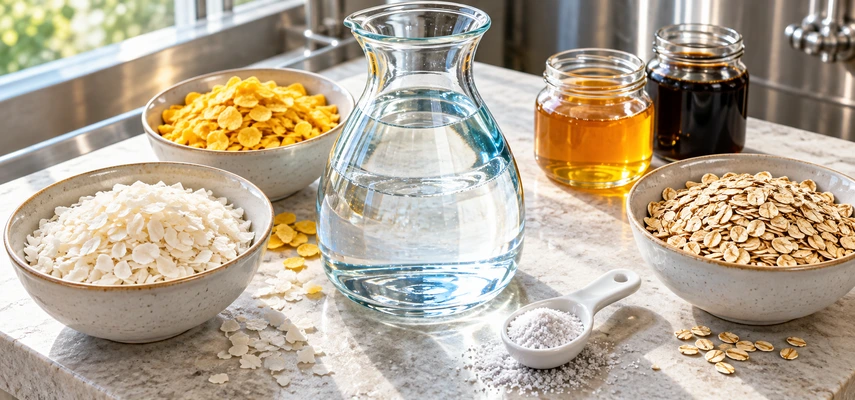
Add sugar to a beer recipe and the finished beer can become less sweet. Add oats and the result need not become sugary at all. Brewing adjuncts ma
Continue ReadingMalt Explained: Barley, Malting, Base Malts, and Specialty Malts
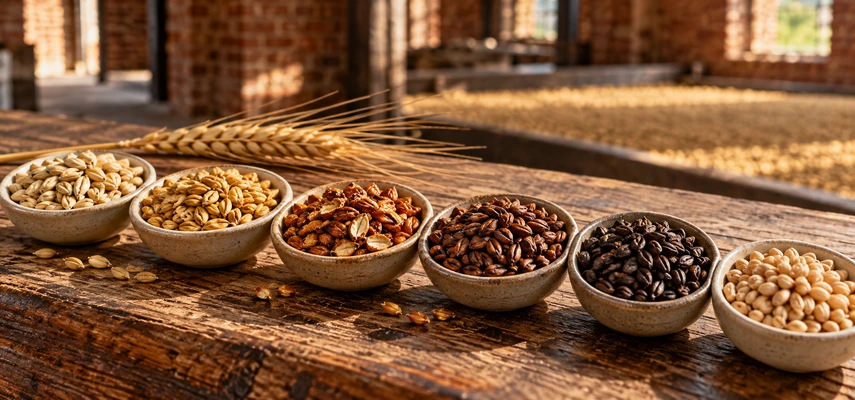
A handful of pale grain can help make a gold lager. A much smaller handful of almost black grain can transform a whole batch's appearance. With ma
Continue ReadingHow to Understand and Evaluate Beer: The WSET Level 2 Framework
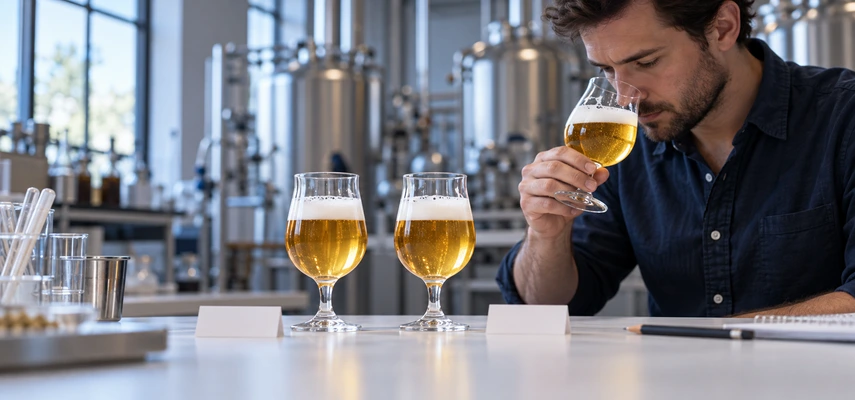
Two pale gold beers sit side by side. Same color, similar foam, apparently the same drink. Then one smells of bread crust and flowers while the ot
Continue ReadingHow Skiing Works: The Basics of Moving, Turning, and Stopping

A ski has no engine, steering wheel, or brake pedal. Yet a skier can leave the same spot on a slope and choose several quite different journeys: a
Continue ReadingWSET Level 1 Sake Exam: Complete Revision Guide and Practice Examinations
A practice mark is useful only if it reveals what to study next. The WSET Level 1 Sake exam rewards clear distinctions: rice remaining versus rice
Continue ReadingFood and Sake Pairing Explained: Flavor Intensity, Sweetness, and Preference
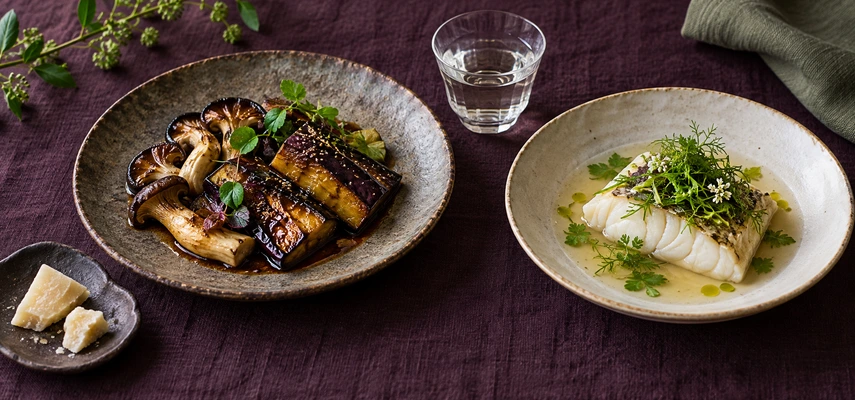
The fish is delicate until someone adds a thick sweet glaze. Then it becomes a different pairing problem. Food and sake pairing works best when it
Continue ReadingHow to Serve Sake: Chilled, Warm, Hot, and Traditional Vessels
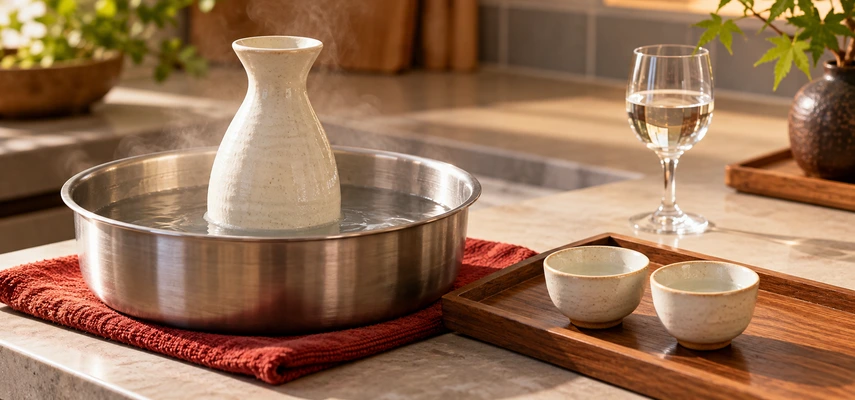
The same sake can feel like a different drink as its temperature changes. Learning to serve sake means choosing which parts of its character to br
Continue ReadingHow to Store Sake Properly: Freshness, Temperature, and Common Faults
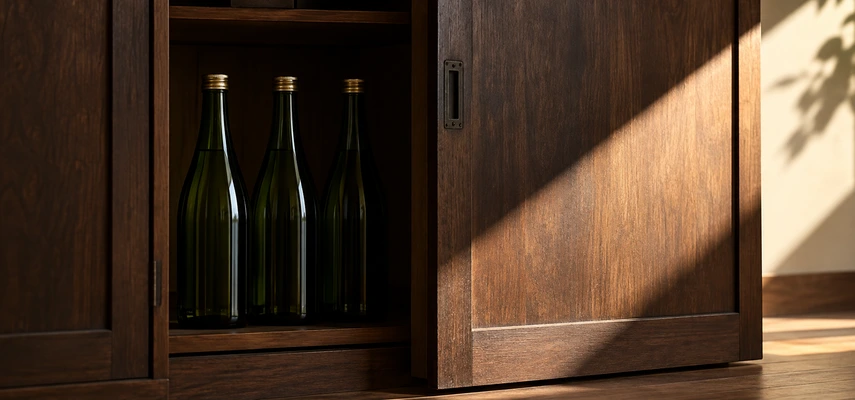
A sake bottle can look immaculate while the drink inside is losing the character its maker intended. Learning to store sake is therefore part of l
Continue ReadingNama and Koshu Sake Explained: Unpasteurised and Matured Styles
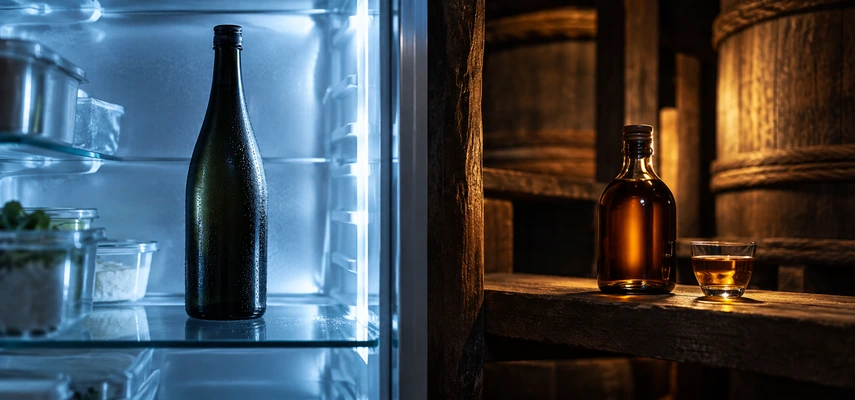
A fresh bottle can become tired, and an old bottle can be exactly what its maker intended. Nama and koshu explain why age alone is a poor guide to
Continue ReadingNigori and Sparkling Sake Explained: Cloudiness, Bubbles, and Style
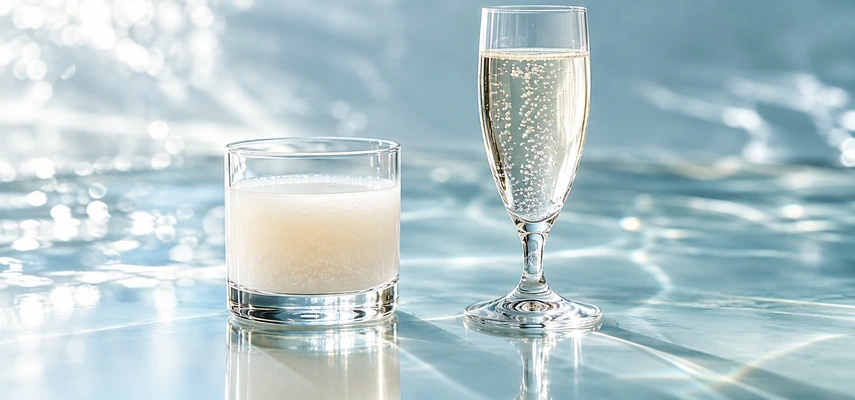
One sake looks milky. Another sends a stream of bubbles up the glass. Neither observation tells you how sweet the drink must be. Nigori and sparkl
Continue Reading








