










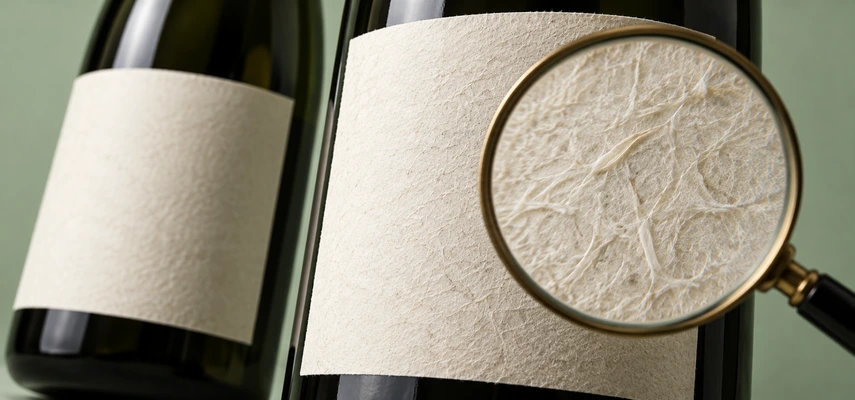
You do not need to read an entire Japanese label to extract useful information from it. Sake labels often contain a few recurring character groups
Continue ReadingGinjō and Daiginjō Sake Explained: Polishing, Aromas, and Premium Styles
A rice number can tell you how much grain remained, but it cannot promise the smell of a pear. Ginjō and daiginjō premium styles connect extensi
Continue ReadingJunmai vs. Honjōzō Sake: Understanding Alcohol Addition
Junmai sounds reassuringly simple: pure rice. Yet the sake contains water, it relies on kōji and yeast, and it certainly contains alcohol. The ph
Continue ReadingWSET Level 2 Sake Exam: Complete Revision Guide and Practice Examinations

A good revision answer does more than name kōji. It explains what kōji supplies, what those enzymes do and why a brewer might manage them differ
Continue ReadingFood and Sake Pairing Explained: Sweetness, Intensity, and Personal Preference
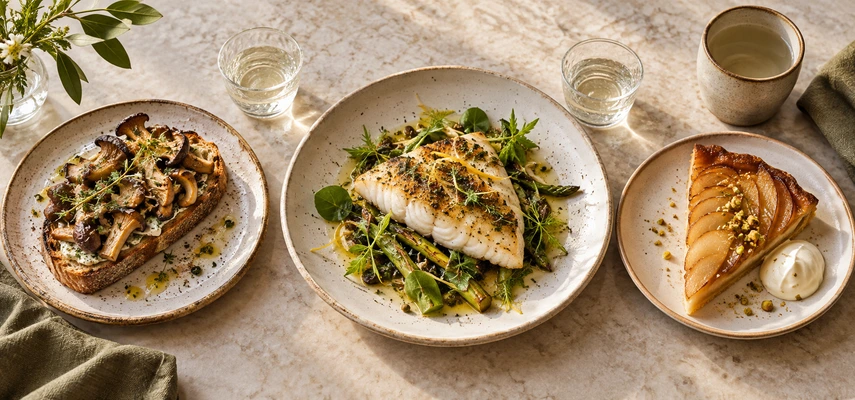
A technically clever pairing is of limited use if the person at the table doesn't enjoy it. Food and sake pairing begins with that practical fact.
Continue ReadingHow to Serve Sake: Temperature, Warming Methods, and Traditional Vessels
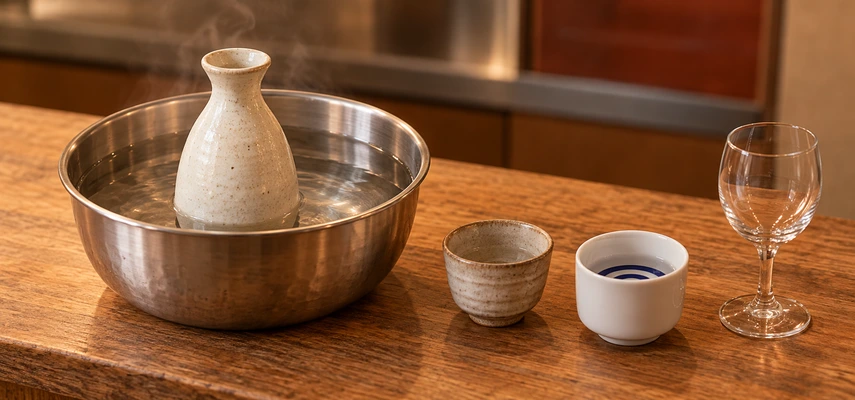
The same sake can seem more reserved when cold and more expansive as it warms. To serve sake well, choose conditions that support the particular d
Continue ReadingSake Grades Explained: Futsū-shu, Premium Sake, and Rice Polishing Ratios
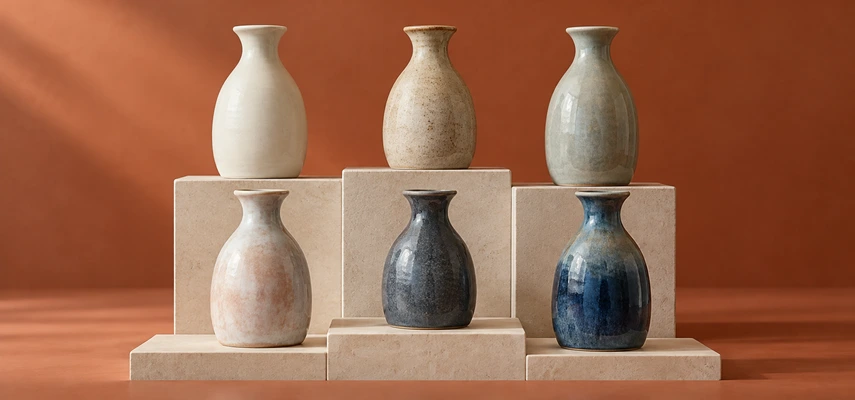
A sake grade is useful information, but it cannot tell you whether tonight's dinner needs a delicate floral drink or a savory, rounded one. Sake g
Continue ReadingSake Faults Explained: Oxidation, Light Damage, and Microbial Spoilage
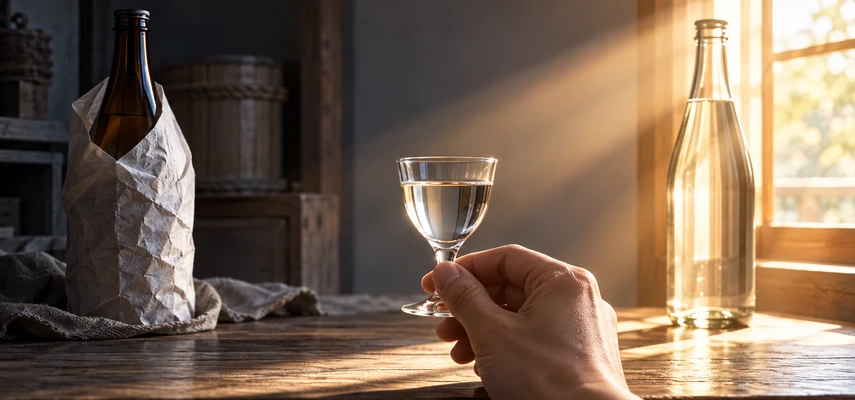
A sake smells nutty. Is it mature, faulty or simply a style you weren't expecting? Sake faults cannot be diagnosed by treating every unfamiliar ar
Continue ReadingHow to Store Sake Properly: Freshness, Light, Temperature, and Ageing
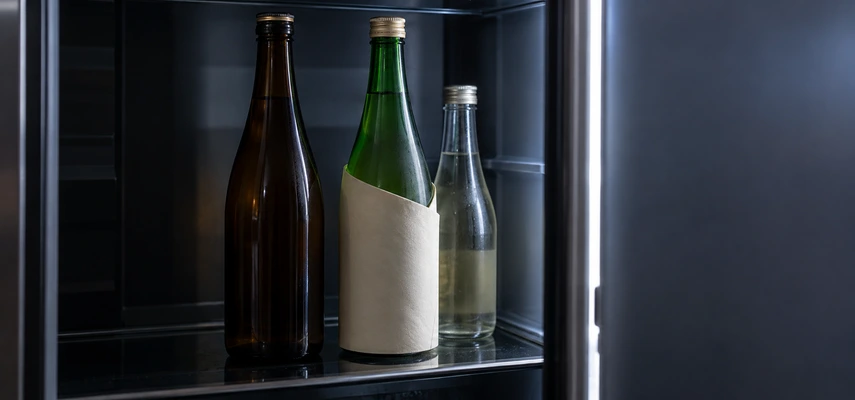
The brewer has finished making the sake. Your cupboard can still keep working on it. To store sake properly, the aim is to slow unwanted change an
Continue ReadingHow Sake Is Finished: Alcohol Addition, Filtration, Dilution, and Pasteurisation
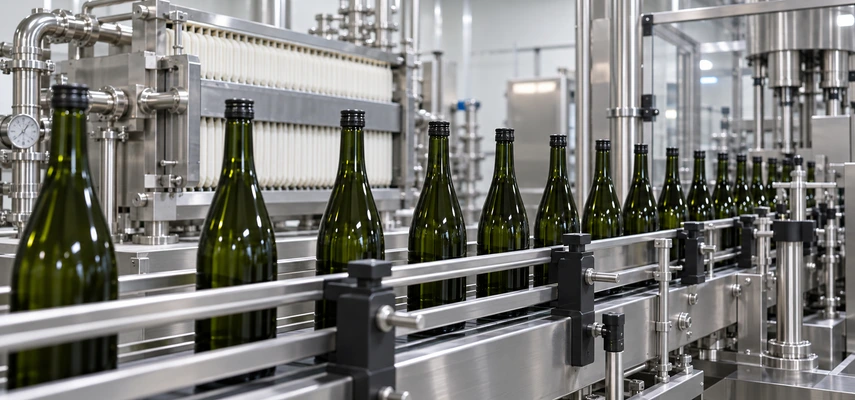
The fermenting tank contains rice material, yeast, liquid and the products of weeks of brewing. The bottle on a restaurant table contains a carefu
Continue Reading









