










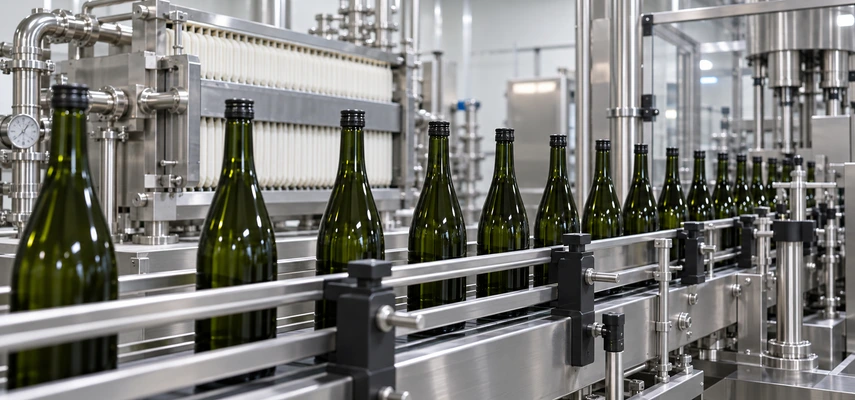
The fermenting tank contains rice material, yeast, liquid and the products of weeks of brewing. The bottle on a restaurant table contains a carefu
Continue ReadingHow to Read Sake Labels: Eight Essential Japanese Terms and Their Meanings
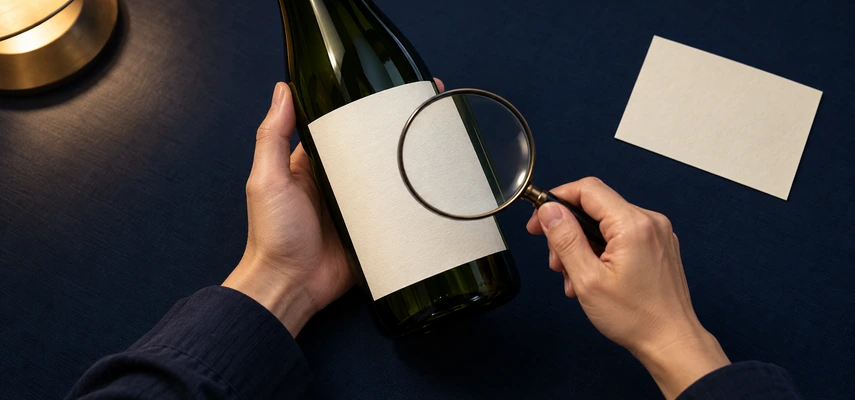
A sake label can look like a wall of unfamiliar writing until one small group of characters becomes recognizable. To read sake labels at Level 2,
Continue ReadingSake Fermentation Explained: Yeast, Fermentation Starters, and Temperature
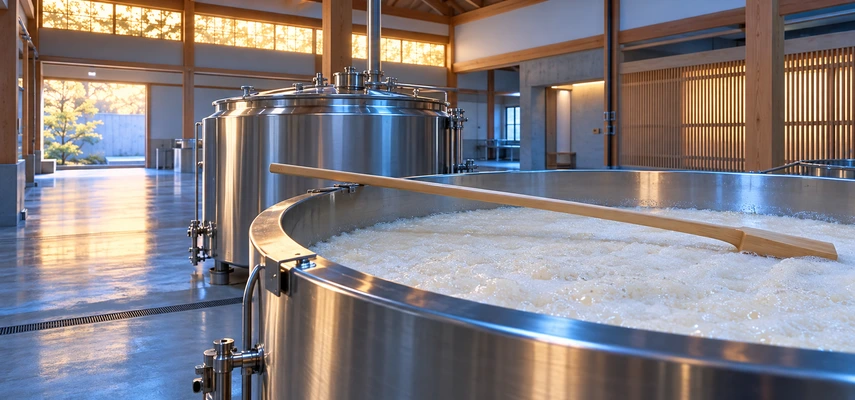
A tank can be busy making sugar and using it up at the same time. That is the central trick of sake fermentation. Kōji enzymes release fermentabl
Continue ReadingKoshu Sake Explained: Ageing, Maturation, and Flavor Development
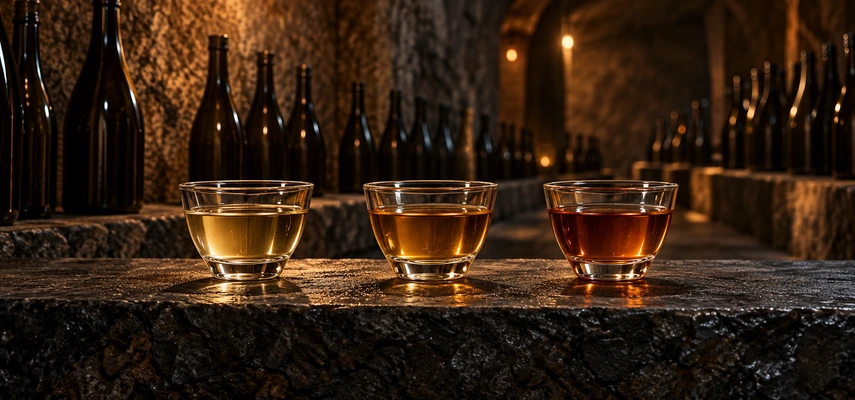
A bottle can get older without getting better. Koshu sake is interesting because it makes ageing an intentional production and style decision, wit
Continue ReadingSparkling Sake Explained: Carbonation vs. Bottle Fermentation

The first sip can feel lively before you have identified a single aroma. Sparkling sake contains carbon dioxide that emerges as bubbles when the b
Continue ReadingKōji Explained: How Mould Turns Rice Starch into Sugar
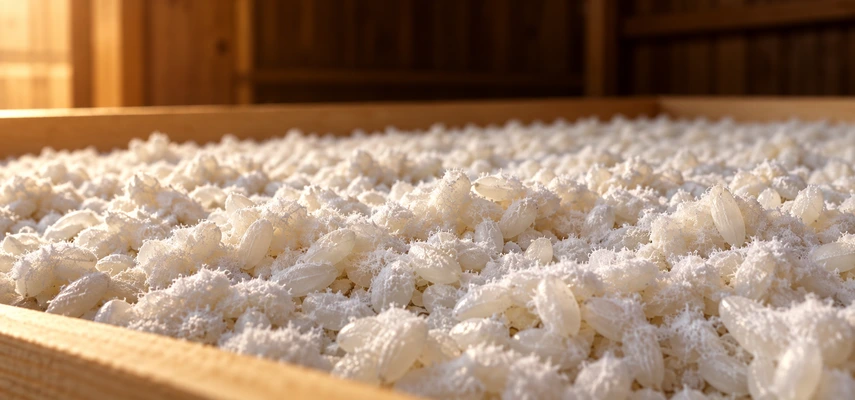
Rice is full of potential alcohol, but yeast cannot collect it directly. The starch is packaged in molecules that ordinary brewing yeast cannot fe
Continue ReadingSake Rice Explained: Rice Polishing, Washing, Soaking, and Steaming
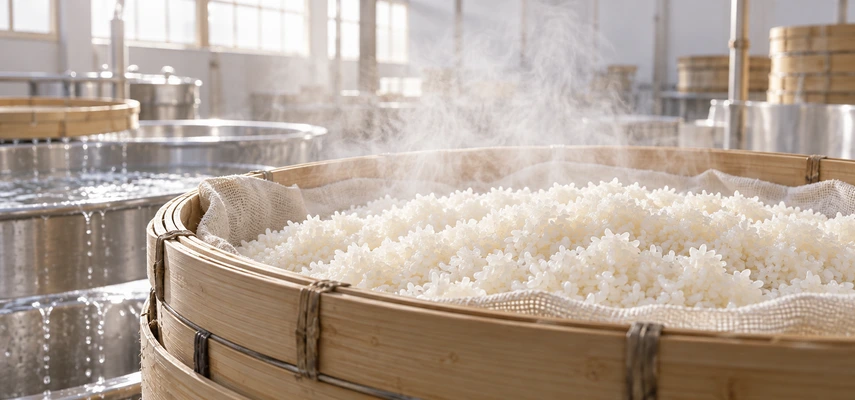
The number that looks most like a score on a sake bottle is not a score. If sake rice has a polishing ratio of 60%, that does not mean 60% was rem
Continue ReadingHow to Understand and Describe Sake: A WSET Level 1 Beginner’s Guide

A grape arrives with sugar ready for yeast. A rice grain arrives with a problem: its energy is mostly locked in starch. To understand and describe
Continue ReadingNama Sake Explained: Unpasteurised, Nama-chozō, and Nama-zume Styles
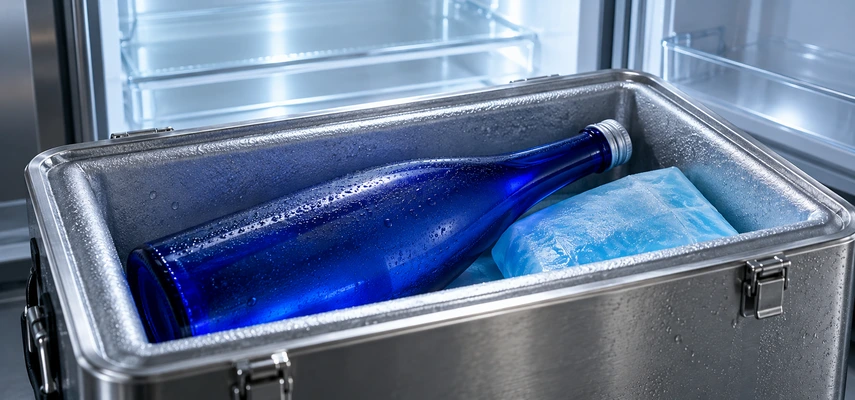
Two bottles have been pasteurised once, yet they can have spent their storage period in very different conditions. Nama sake terminology makes tha
Continue ReadingNigori Sake Explained: Cloudiness, Filtration, and Texture
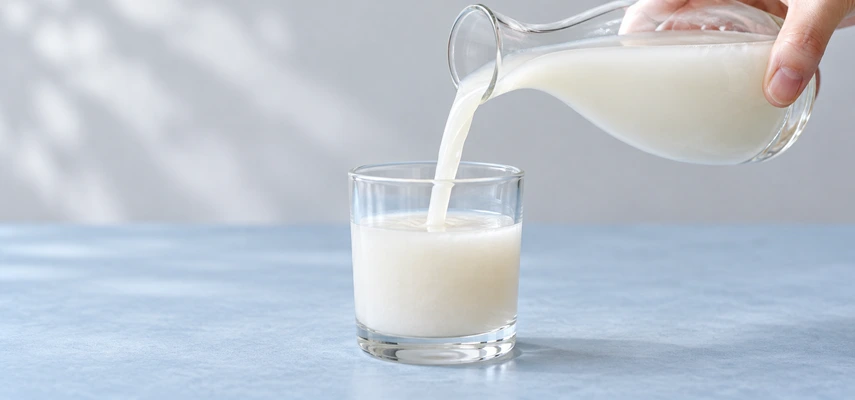
Cloudiness usually invites suspicion in a drink expected to be clear. With nigori sake, it can be exactly the intended result. Fine particles rema
Continue Reading









