







Skip to content
TFE Times

TFE Times

Business, Technology, and Culture

Click here
University of Maryland Masters of Economics  Leaderboard
University of California Irvine Leaderboard
MAFI_728x90
RPI Leaderboard
Click here
Click here
MAFI_728x90
NYU Tandon School of Engineering Leaderboard
University of California Irvine Leaderboard
University of Maryland Masters of Economics Leaderboard
Brandeis University Master of Finance Leaderboard 728x90
  • Business
  • Culture
    • Beer Guide
    • Cheese Guide
    • Cigar Guide
    • Coffee Guide
    • Wine Guide
  • Technology
  • International Rankings
    • Bangladesh
    • Canada
    • Egypt
    • India
    • Nigeria
    • Pakistan
    • Philippines
    • United Kingdom
    • United States of America
  • Masters Rankings
    • Accounting
    • Business Analytics
    • Chiropractic
    • Computer Engineering
    • Computer Science
    • Economics
    • Education
    • Finance
    • Financial Economics
    • Financial Engineering
    • Law
    • Management
    • Marketing
    • MBA
    • Nursing
    • Social Work
  • Resources
    • C++
      • Beginner’s Guide to C++
      • An Introduction to the Imperative Part of C++
      • C++ Code
        • Sorts
        • Binary Search Trees
        • Strings
        • Binary Search
        • Math
        • Quant
        • Puzzles/Games
        • Language Concepts
        • Graphics
        • OS Operations
        • Graphs
      • C++ Full Course
      • C++ Crash Course
      • C++ Interview Questions
      • C++ Q/A
      • C++ Books
      • C++ Free Books
      • C++ Videos
    • C Questions
    • C Programming Tips
    • Java Questions
    • Quant Data Sources
    • Quant Questions

Category: WSET Level 2 Beer

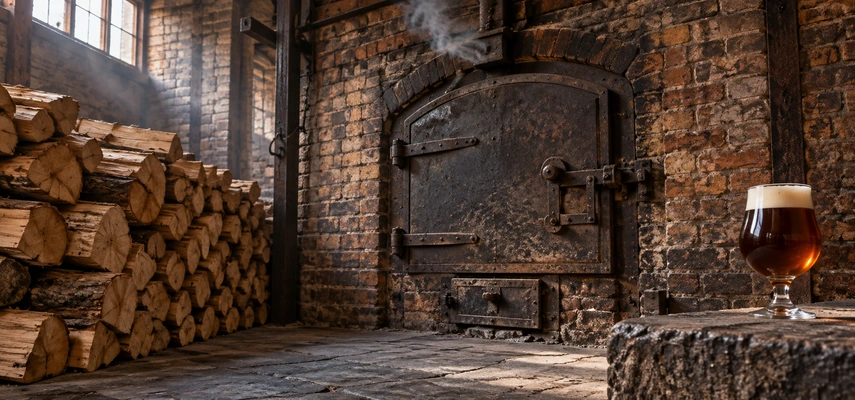
Bock and Rauchbier Explained: Strong and Smoked German Lagers

Posted on November 2, 2026November 2, 2026 by TFE Times
Posted in Uncategorized, WSET Level 2 BeerTagged Bock, Lager, Smoked Beer, WSET Level 2 Beer
Bock and Rauchbier Explained: Strong and Smoked German Lagers

A pale beer can be stronger than a dark one. A smoky beer can be no stronger than its unsmoked neighbor. Bock and rauchbier make those distinction

Continue Reading

Amber and Dark Lagers Explained: Dunkel, Märzen, Vienna Lager, and More
Posted on November 2, 2026November 2, 2026 by TFE Times
Posted in Uncategorized, WSET Level 2 BeerTagged Dark lager, Lager, Vienna Lager, WSET Level 2 Beer
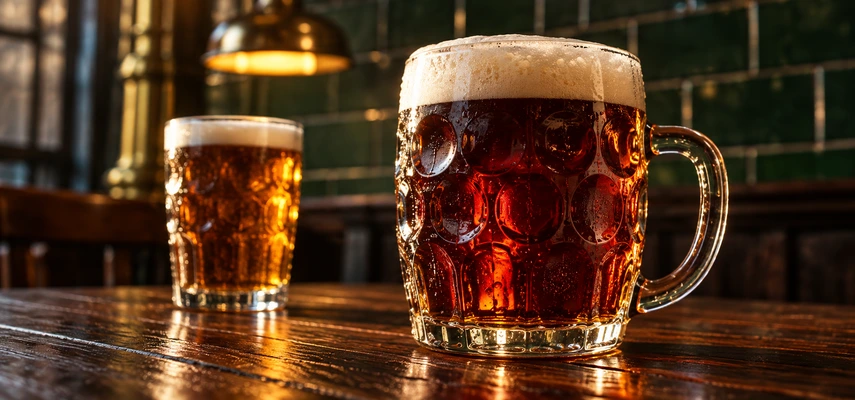
Amber and Dark Lagers Explained: Dunkel, Märzen, Vienna Lager, and More

A brown lager smells of bread crust rather than coffee. An amber lager finishes dry enough to invite another sip. Amber and dark lagers are useful

Continue Reading

Pale Lagers Explained: American Lager, International Pale Lager, Light Lager, and Helles
Posted on November 2, 2026November 2, 2026 by TFE Times
Posted in Uncategorized, WSET Level 2 BeerTagged beer styles, Lager, Pale Lager, WSET Level 2 Beer
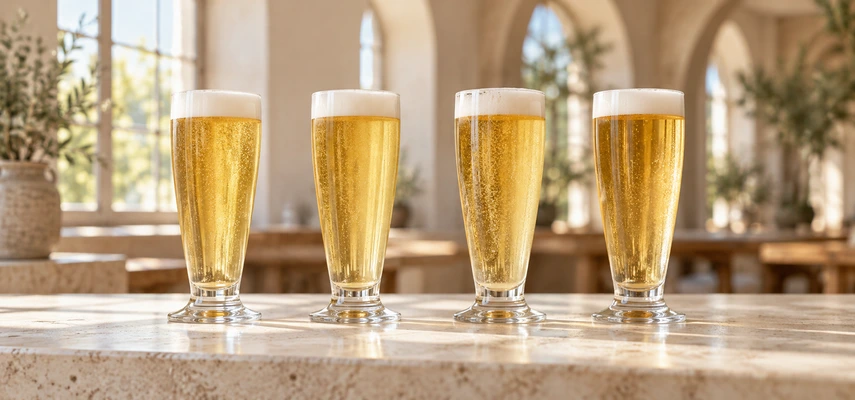
Pale Lagers Explained: American Lager, International Pale Lager, Light Lager, and Helles

Four glasses arrive, all clear, pale and neatly capped with white foam. If pale lagers were one flavor, choosing between them would be easy. In pr

Continue Reading

Beer Finishing and Special Brewing Methods Explained: Filtration, Pasteurization, and Cask Conditioning
Posted on November 2, 2026November 2, 2026 by TFE Times
Posted in Uncategorized, WSET Level 2 BeerTagged Beer Filtration, Cask Beer, Mixed Fermentation, WSET Level 2 Beer
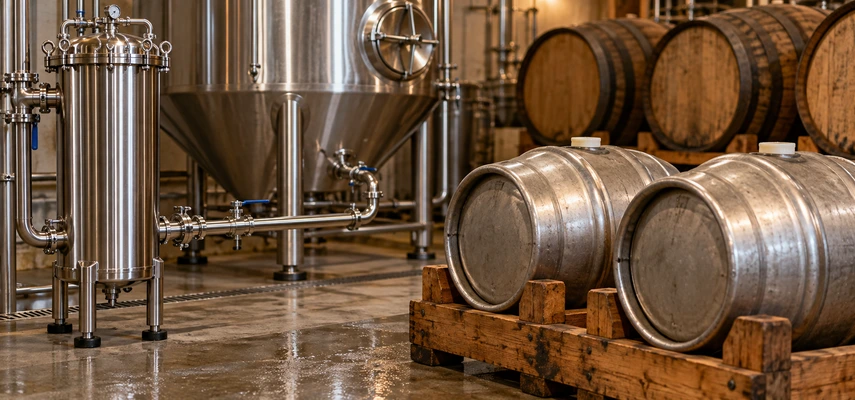
Beer Finishing and Special Brewing Methods Explained: Filtration, Pasteurization, and Cask Conditioning

One brewer wants to stop a beer changing. Another wants yeast to keep working in the package. Both may be making a careful decision. Beer finishin

Continue Reading

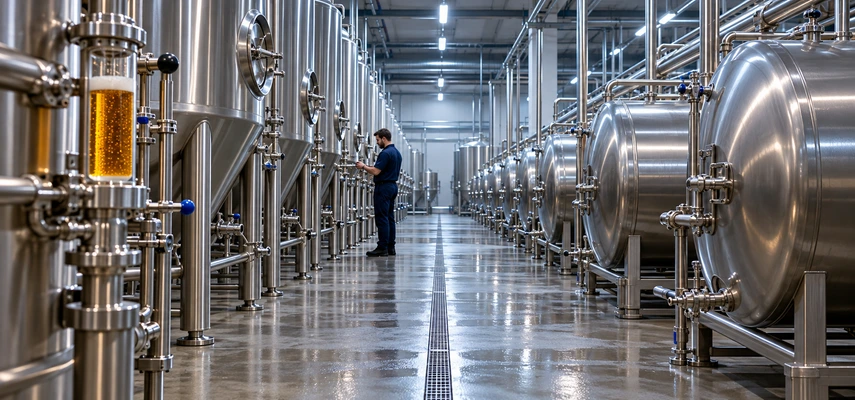
Beer Fermentation and Maturation Explained: Temperature, Attenuation, and Conditioning
Posted on November 2, 2026November 2, 2026 by TFE Times
Posted in Uncategorized, WSET Level 2 BeerTagged Beer Maturation, Beer Yeast, Fermentation, WSET Level 2 Beer
Beer Fermentation and Maturation Explained: Temperature, Attenuation, and Conditioning

The bubbling slows down, but the beer still tastes unfinished. Beer fermentation has done its most visible work, yet the yeast may have useful bus

Continue Reading

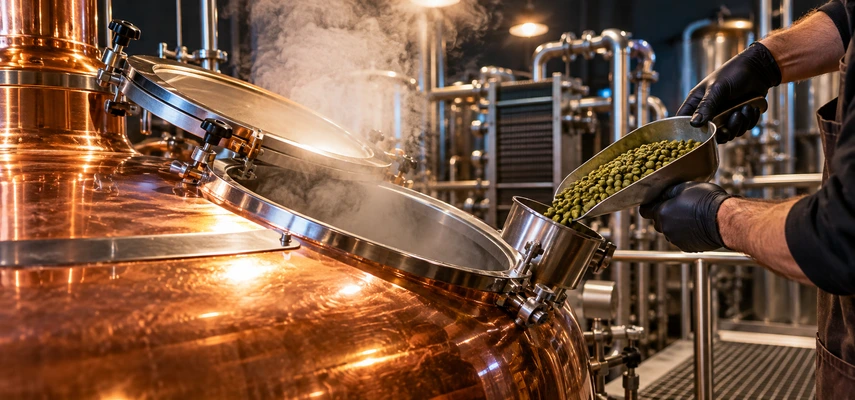
Wort Boiling and Hop Additions Explained: Building Bitterness and Aroma
Posted on November 2, 2026November 2, 2026 by TFE Times
Posted in Uncategorized, WSET Level 2 BeerTagged Brewing Process, Hops, Wort Boiling, WSET Level 2 Beer
Wort Boiling and Hop Additions Explained: Building Bitterness and Aroma

Put a handful of hops into wort early in the boil and you get one emphasis. Use the same material much later and the result can smell dramatically

Continue Reading

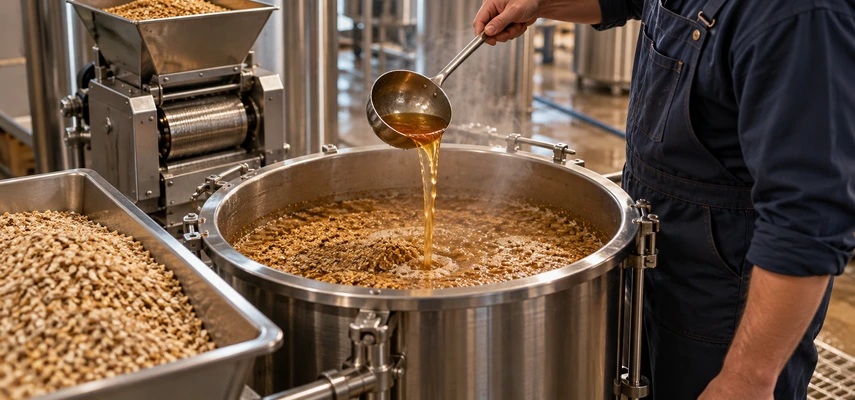
Malting, Milling, and Mashing Explained: From Grain to Wort
Posted on November 2, 2026November 2, 2026 by TFE Times
Posted in Uncategorized, WSET Level 2 BeerTagged Brewing Process, Malting, Mashing, WSET Level 2 Beer
Malting, Milling, and Mashing Explained: From Grain to Wort

Grinding barley more finely seems like an obvious way to get more out of it. Then the liquid refuses to drain. Milling and mashing involve that ki

Continue Reading

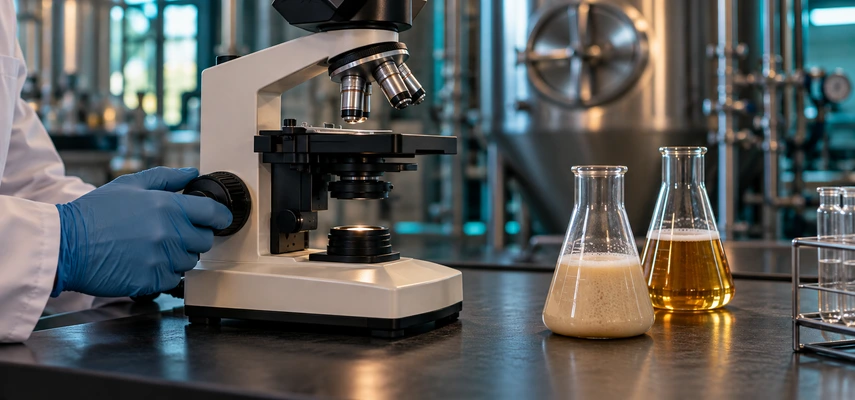
Beer Yeast and Bacteria Explained: Fermentation Strains and Their Flavors
Posted on November 2, 2026November 2, 2026 by TFE Times
Posted in Uncategorized, WSET Level 2 BeerTagged Beer Yeast, Brewing Ingredients, Fermentation, WSET Level 2 Beer
Beer Yeast and Bacteria Explained: Fermentation Strains and Their Flavors

Split one batch of wort between two fermentation vessels and the finished beers can seem like different recipes. One may stay restrained enough to

Continue Reading

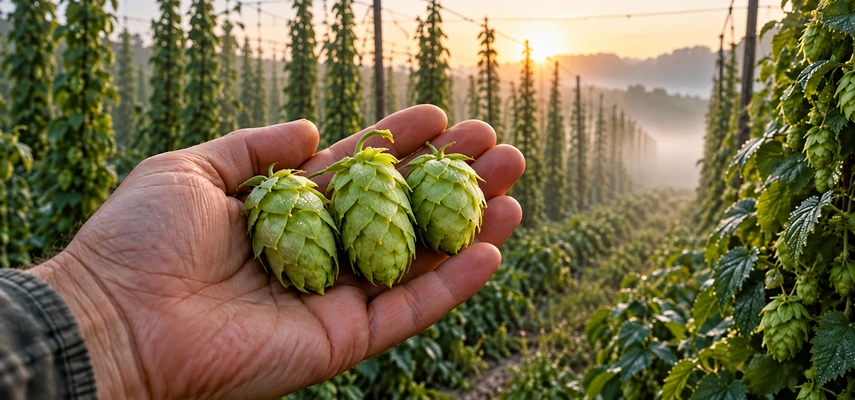
Hops Explained: Varieties, Growing Regions, Bitterness, and Aroma
Posted on November 2, 2026November 2, 2026 by TFE Times
Posted in Uncategorized, WSET Level 2 BeerTagged Brewing Ingredients, Hop Varieties, Hops, WSET Level 2 Beer
Hops Explained: Varieties, Growing Regions, Bitterness, and Aroma

A beer can smell like grapefruit without a grapefruit ever entering the brewery. With hops explained properly, that is less a trick than an invita

Continue Reading

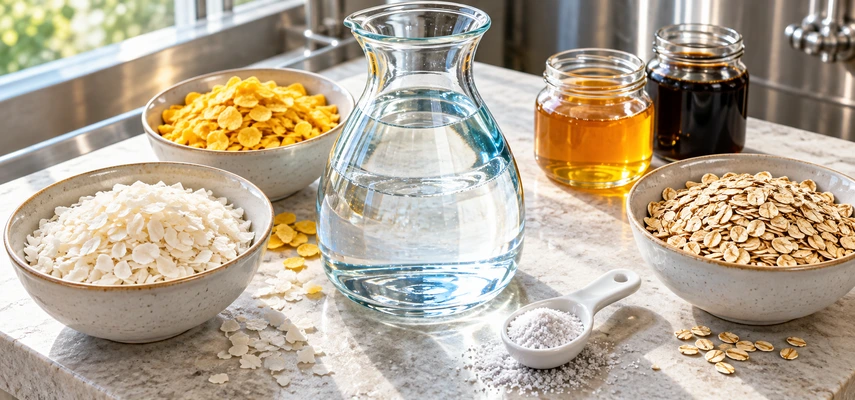
Brewing Adjuncts and Water Explained: How They Change Beer
Posted on November 2, 2026November 2, 2026 by TFE Times
Posted in Uncategorized, WSET Level 2 BeerTagged Brewing Adjuncts, Brewing Ingredients, Brewing Water, WSET Level 2 Beer
Brewing Adjuncts and Water Explained: How They Change Beer

Add sugar to a beer recipe and the finished beer can become less sweet. Add oats and the result need not become sugary at all. Brewing adjuncts ma

Continue Reading


Posts navigation

Older posts
Newer posts
University of California Irvine Leaderboard
NYU Tandon School of Engineering Sideboard
Click here
University of California Berkeley Master of Financial Engineering MFE Sideboard
Brandeis Business School
University of Maryland Masters of Economics Sideboard
output_8BgzjE
  • Best Restaurants in Cincinnati: 15 Standout Places to Eat — food and city collage

    Best Restaurants in Cincinnati: 15 Standout Places to Eat

    November 2, 2026October 17, 2026 by TFE Times
  • A blank practice booklet, pencil and simple timer rest on a bright study desk with blurred brewery equipment beyond glass.

    WSET Level 2 Beer Exam: Complete Revision Guide and Practice Examinations

    November 2, 2026November 2, 2026 by TFE Times
  • Three pale, copper and dark beer samples stand beside a blank notebook and pencil on a quiet study desk.

    How to Taste and Compare Beer Styles: A WSET Level 2 Revision Guide

    November 2, 2026November 2, 2026 by TFE Times
  • Pale and dark beer samples sit with mushrooms, grilled chicken, lemon, chocolate, salt and a red chilli on a tasting table.

    Food and Beer Pairing Explained: Sweetness, Umami, Acidity, Bitterness, and Heat

    November 2, 2026November 2, 2026 by TFE Times
  • A pale beer sample, closed amber vial and blank clipboard sit on a clean counter beside apple and butter aroma-reference props.

    Beer Faults Explained: Diacetyl, DMS, Acetaldehyde, Staling, and More

    November 2, 2026November 2, 2026 by TFE Times
  • An adult server holds a tilted clean tapered glass beneath a tap, with the spout outside the glass and golden beer flowing down its wall.

    How to Serve Beer Properly: Temperature, Glassware, Kegs, Casks, and Bottles

    November 2, 2026November 2, 2026 by TFE Times
  • Upright brown bottles, silver cans and a small stainless keg are stored on shelves inside a clean refrigerator.

    Beer Storage and Packaging Explained: Freshness, Shelf Life, and Ageing

    November 2, 2026November 2, 2026 by TFE Times
  • An unmarked oak barrel stands beside an amber beer sample, cocoa nibs and a split vanilla pod in a softly lit cellar.

    Specialty Beers Explained: Barrel Ageing, Flavorings, and Alcohol- or Gluten-Free Options

    November 2, 2026November 2, 2026 by TFE Times
  • Four pale and reddish-brown sour beer samples form a square on a blue table, with salt and coriander beside one pale glass.

    Mixed-Fermentation Sour Beers Explained: Berliner Weisse, Gose, Flanders Red, and Oud Bruin

    November 2, 2026November 2, 2026 by TFE Times
  • A broad shallow coolship filled with amber wort sits under timber rafters beside open attic windows at dusk.

    Lambic and Geuze Explained: Spontaneous Fermentation and Fruit Lambics

    November 2, 2026November 2, 2026 by TFE Times

Copyright © TFE Times, LLC. All Rights Reserved.

Terms of Service | Privacy Policy | Disclaimer

WordPress Theme : Eight Paper by 8Degree Themes




