










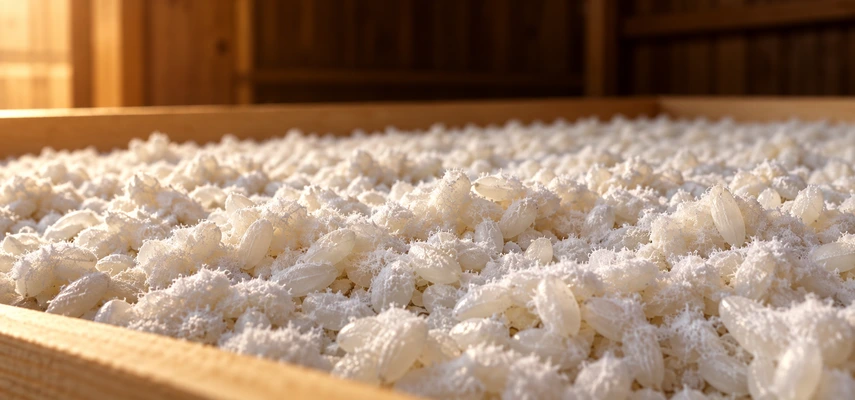
Rice is full of potential alcohol, but yeast cannot collect it directly. The starch is packaged in molecules that ordinary brewing yeast cannot fe
Continue ReadingSake Rice Explained: Rice Polishing, Washing, Soaking, and Steaming
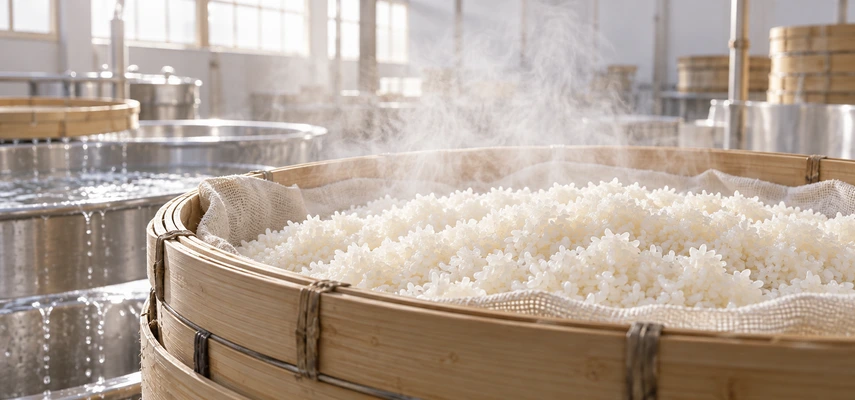
The number that looks most like a score on a sake bottle is not a score. If sake rice has a polishing ratio of 60%, that does not mean 60% was rem
Continue ReadingHow to Understand and Describe Sake: A WSET Level 1 Beginner’s Guide
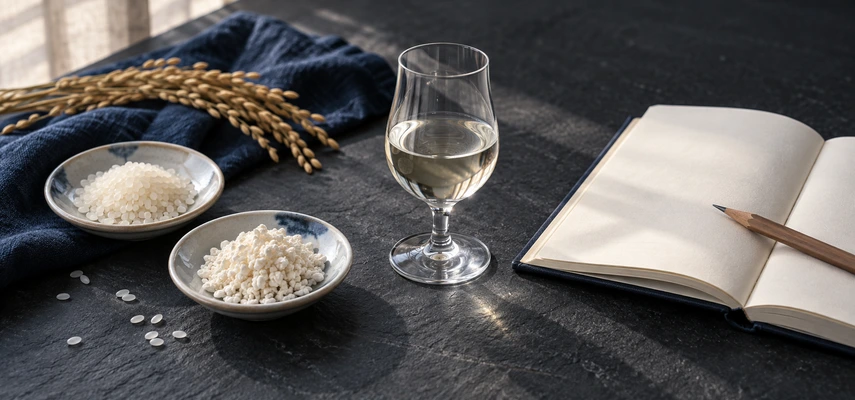
A grape arrives with sugar ready for yeast. A rice grain arrives with a problem: its energy is mostly locked in starch. To understand and describe
Continue ReadingNama Sake Explained: Unpasteurised, Nama-chozō, and Nama-zume Styles
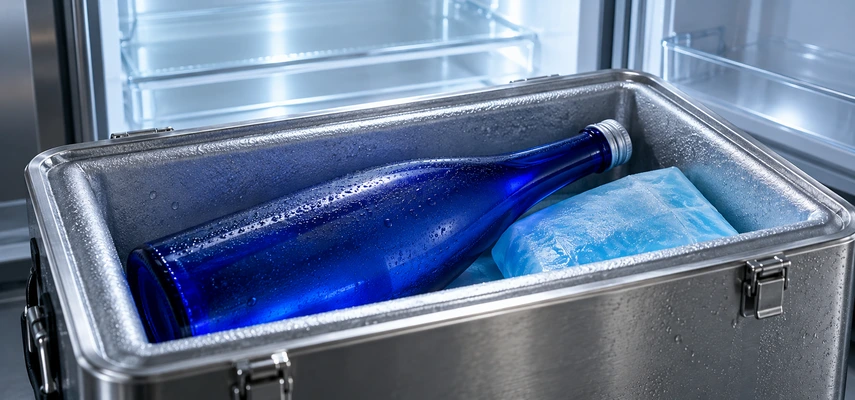
Two bottles have been pasteurised once, yet they can have spent their storage period in very different conditions. Nama sake terminology makes tha
Continue ReadingNigori Sake Explained: Cloudiness, Filtration, and Texture
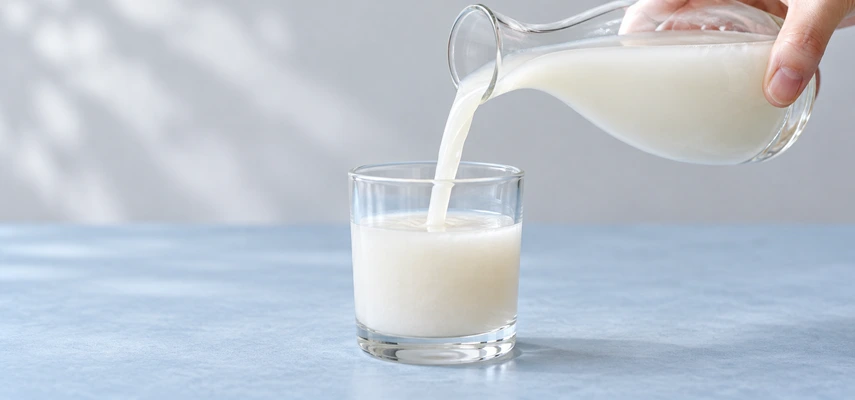
Cloudiness usually invites suspicion in a drink expected to be clear. With nigori sake, it can be exactly the intended result. Fine particles rema
Continue ReadingFruity Ginjō vs. Rich Junmai: How Brewing Choices Shape Sake Style
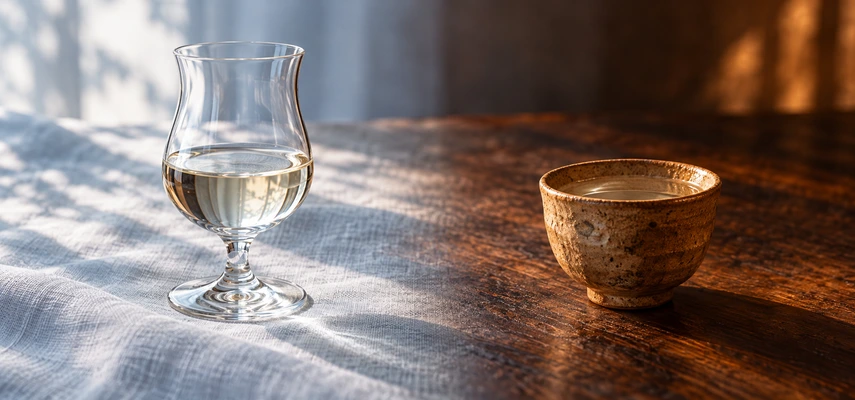
The same broad ingredient list can lead to a sake that seems airy and fruit-led or one that feels rounded and savory. Fruity ginjō vs. rich junma
Continue ReadingTokubetsu Sake Explained: Special Junmai and Honjōzō Classifications
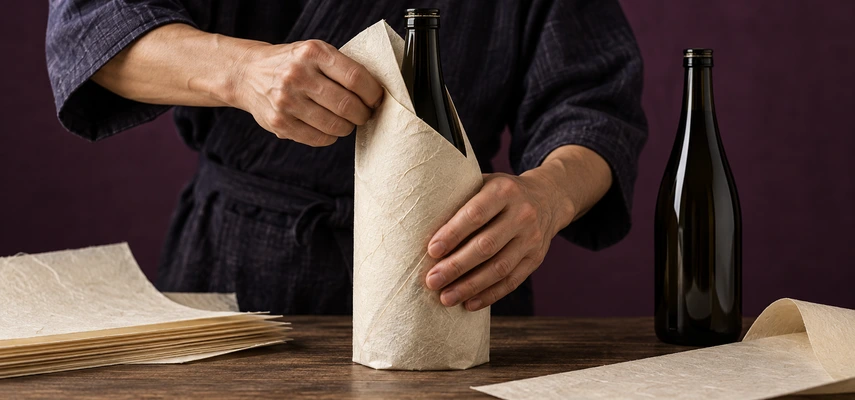
Special is easy to print. Explaining what makes something special takes more work. Tokubetsu sake belongs to the second category: the designation
Continue ReadingGinjō and Daiginjō Sake Explained: Polishing, Yeast, and Aromatic Styles
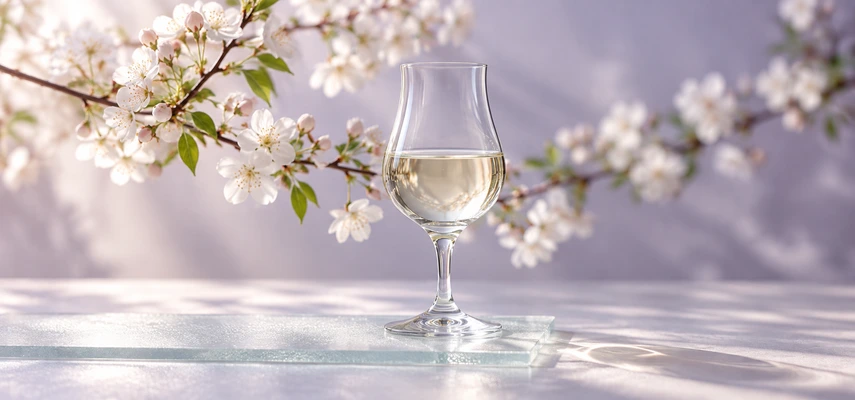
A polishing ratio of 50% sounds like a complete explanation until you ask who made the fruit-like aroma. The milling machine did not. Ginjō and d
Continue ReadingJunmai vs. Honjōzō Sake: Ingredients, Alcohol Addition, and Style
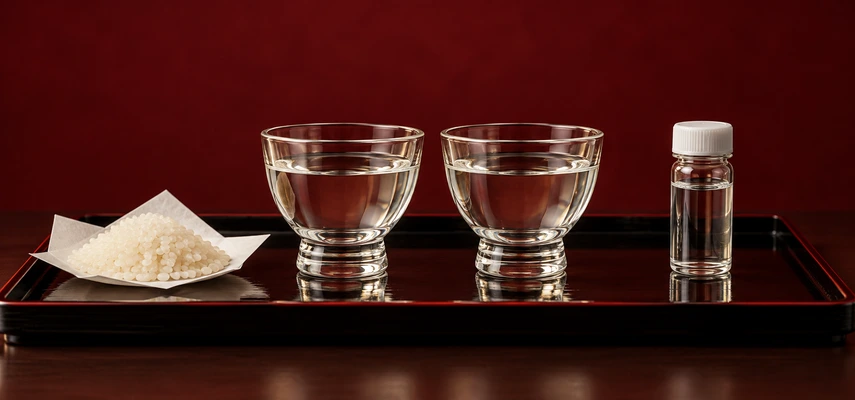
No added alcohol sounds straightforward until someone mistakes it for no alcohol at all. Junmai vs. honjōzō sake is an ingredient comparison wit
Continue ReadingSake Categories Explained: Futsū-shu, Premium Sake, and Classification Rules
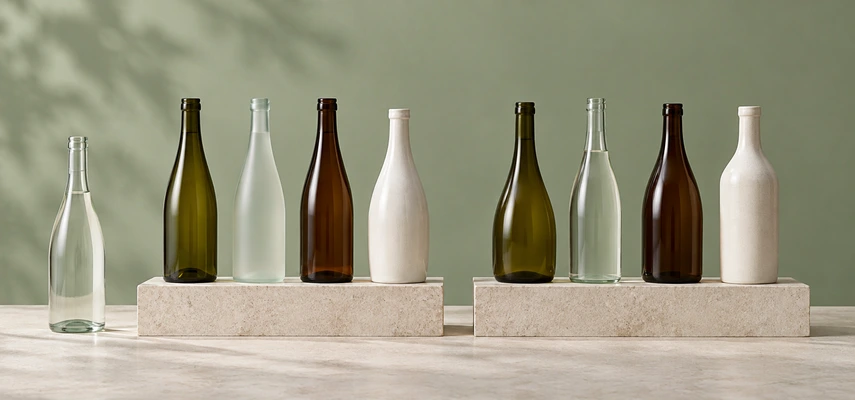
A bottle can be premium sake without being your favorite sake. It can also be an excellent dinner companion without carrying a premium designation
Continue Reading









