










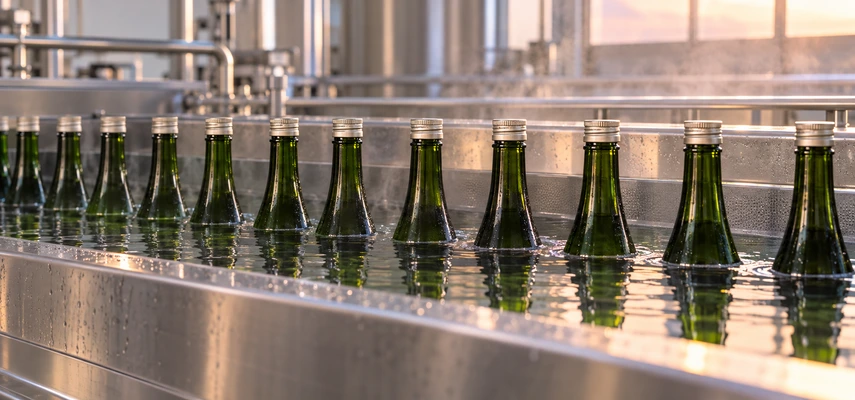
The sake is clear, but clarity doesn't tell you whether enzymes are still active, how it will respond to storage or what strength it will have in
Continue ReadingSake Filtration and Alcohol Addition Explained: Pressing, Clarity, and Style
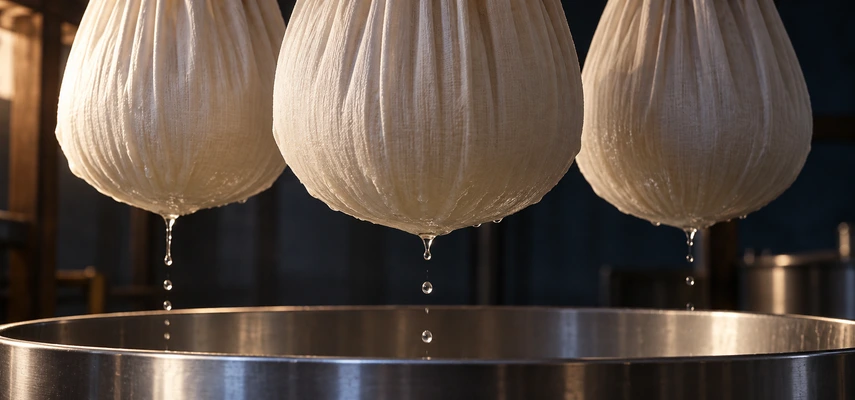
Fermentation has created alcohol, but it hasn't created a clear bottle-ready liquid by itself. The mash still contains rice material and yeast. Sa
Continue ReadingMultiple Parallel Fermentation Explained: How Sake Produces Alcohol
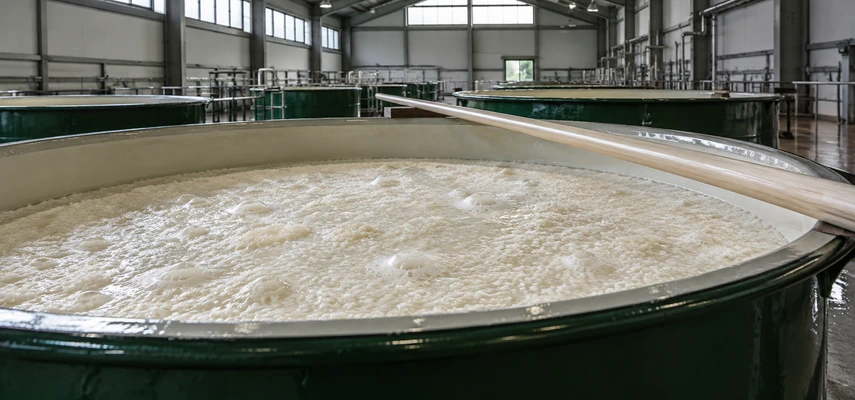
The sugar supply is being made while the yeast is spending it. That is the essential idea behind multiple parallel fermentation, the process at th
Continue ReadingSake Fermentation Starters Explained: Sokujō, Kimoto, and Yamahai
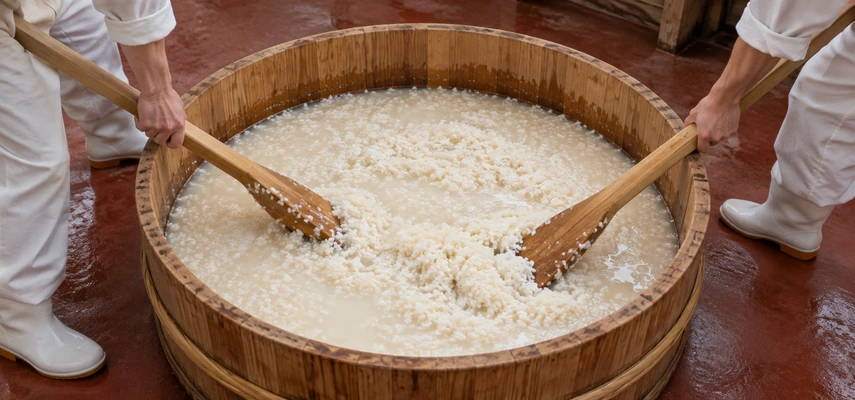
The main fermentation tank is a difficult place to give a tiny yeast population its first chance. There is a great deal of material to work throug
Continue ReadingSake Yeast and Water Explained: Strains, Minerals, and Aroma
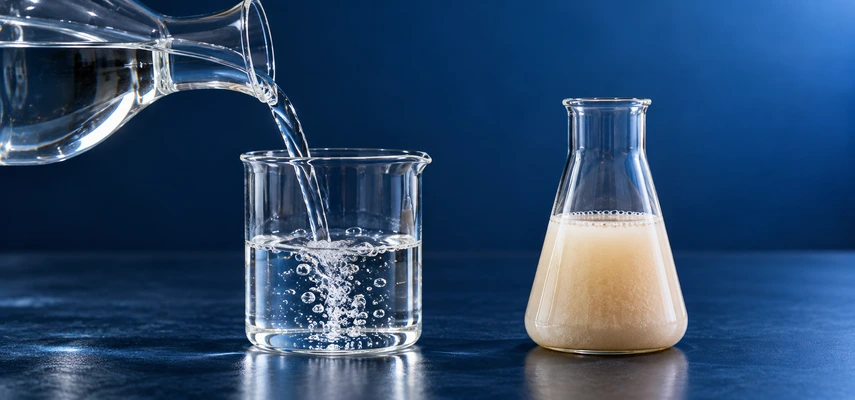
A brewer can choose rice with great care and still get the wrong result if the yeast struggles or the water brings an unwanted component into the
Continue ReadingSō-haze vs. Tsuki-haze Kōji: How Mould Growth Influences Sake
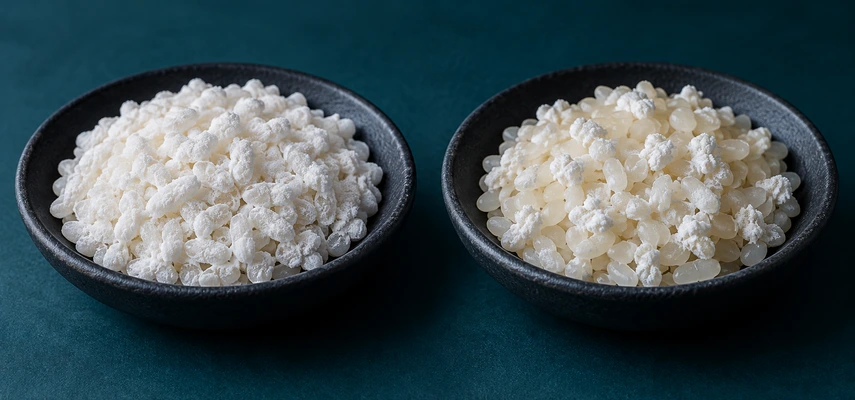
A rice grain covered in white growth can be exactly what a brewer wants. A grain with white growth in separated patches can also be exactly what a
Continue ReadingKōji Production Explained: Enzymes, Mould Cultivation, and Brewing Science
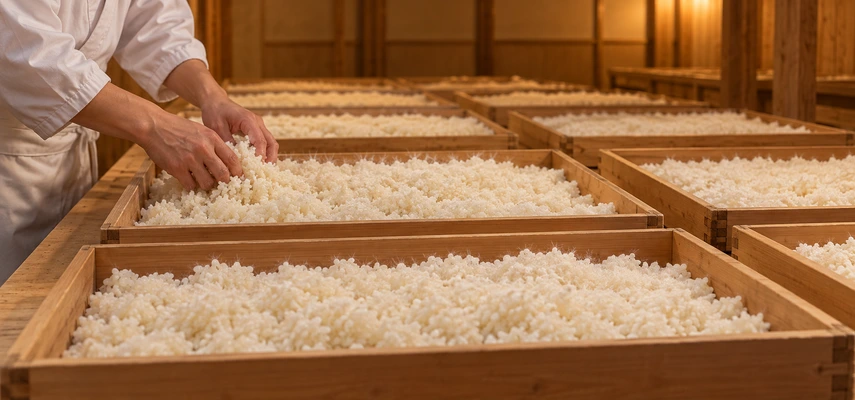
The rice looks quiet. The brewer keeps checking it anyway. In kōji production, a small living population is building an enzyme supply that will h
Continue ReadingRice Polishing and Preparation Explained: Washing, Soaking, and Steaming
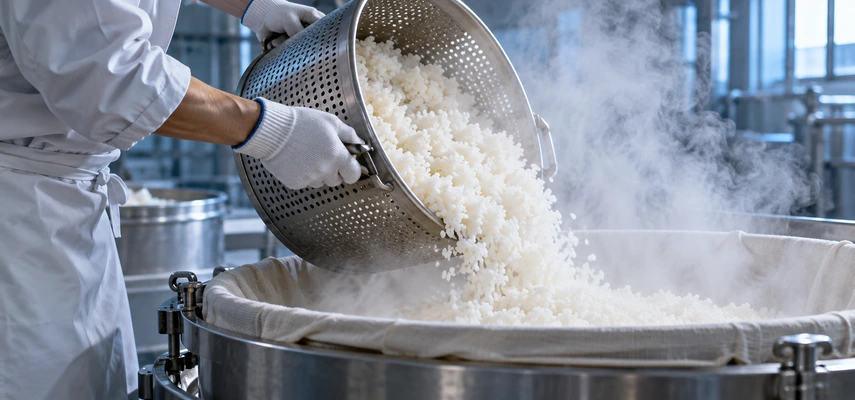
The number gets smaller as the work increases. A rice polishing ratio of 60% means the brewery has kept 60% of the original brown rice by weight,
Continue ReadingSake Rice Explained: Varieties, Growing Conditions, and Grain Structure
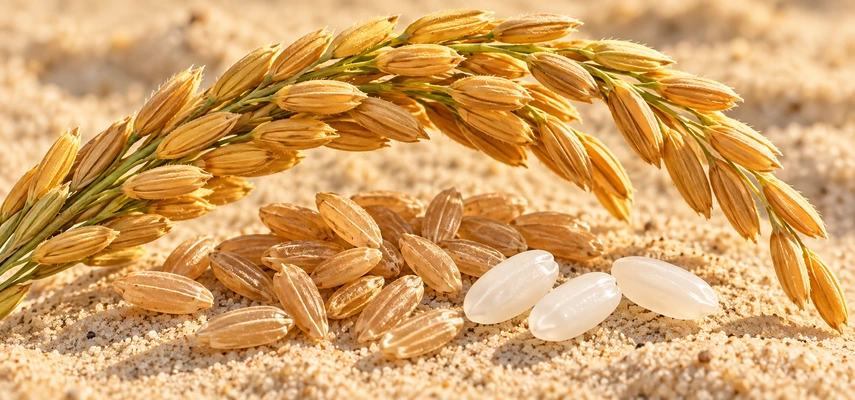
A brewer looks at rice and sees questions a cook might never ask. Will the grains survive substantial polishing? How predictably will they absorb
Continue ReadingHow to Understand and Evaluate Sake: The WSET Level 2 Framework

How can a grain that tastes mostly of starch become a drink that suggests melon, steamed rice or roasted nuts? To understand and evaluate sake, fo
Continue Reading









